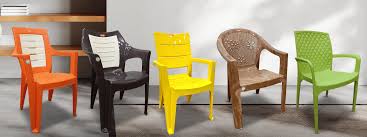
The furniture industry is rapidly moving toward lighter, stronger, and more sustainable solutions, and mould manufacturers play a central role in this transformation. Innovations in lightweight furniture moulds are enabling companies to produce ergonomic, durable, and cost-efficient products while also reducing material usage and environmental impact. From advanced composite moulds to digital manufacturing technologies, several breakthroughs are reshaping how modern plastic furniture is designed and produced.
1. Advanced Materials for Lightweight Moulds
a. Aluminium Moulds
Aluminium is increasingly replacing traditional steel in furniture moulds due to its low weight, excellent heat conductivity, and shorter cooling cycles. Benefits include:
Faster production rates
Lower mould handling and maintenance requirements
Reduced energy consumption during processing
b. Composite Mould Materials
Carbon-fibre-reinforced composites and epoxy-based materials provide high strength-to-weight ratios. These moulds are particularly suitable for prototyping and medium-volume production.
Easy machining
Lower tooling costs
Lightweight for convenient maintenance and transport
2. Optimized Mould Design Techniques
a. Topology Optimization
Software-driven weight reduction ensures mould sections use material only where structurally required.
Lighter mould frames
Improved cooling performance
Reduced manufacturing time
b. Modular Mould Construction
Interchangeable components and collapsible cores help in creating diverse furniture variants using a single lightweight mould system.
Flexibility in production
Space-saving storage
Lower tooling investments
c. Thin-Wall Moulding Technology
Innovations in thin-wall moulding allow manufacturers to create lightweight furniture pieces without compromising strength.
Reduced resin usage
Faster cycle times
Enhanced ergonomics and portability
3. Integration of Smart Features in Lightweight Moulds
a. Embedded Sensors
Lightweight moulds are now equipped with temperature, pressure, and flow sensors.
Real-time monitoring
Higher dimensional accuracy
Reduced defect rates
b. Conformal Cooling Channels
3D-printed cooling circuits help maintain uniform temperature across lightweight moulds.
up to 40% reduction in cooling time
improved product consistency
increased mould life
4. 3D Printing and Additive Manufacturing
Additive technologies are driving innovation by enabling lighter, highly complex mould structures.
Lattice-filled mould sections reduce weight while maintaining strength
Quick prototyping for new furniture designs
Lower tooling development time and cost
Hybrid moulds where metal inserts are combined with printed polymer structures are also becoming increasingly common.
5. Benefits to the Furniture Manufacturing Industry
a. Faster Production Cycles
Improved cooling and lighter mass reduce cycle time significantly.
b. Better Ergonomics for Operators
Lightweight moulds are easier to lift, position, and maintain.
c. Cost Savings
Lower material use, reduced energy consumption, and faster changeovers lead to substantial savings.
d. Sustainability
Less material usage, improved efficiency, and compatibility with recycled plastics support environmental goals.
6. Future Directions
Smart self-cooling moulds driven by phase-changing materials
AI-assisted mould design for predictive optimization
Bio-based composite mould materials for sustainable tooling
Fully modular mould systems for mass customization in furniture
As innovation continues, lightweight furniture moulds will play an increasingly critical role in defining next-generation furniture quality, sustainability, and production efficiency.