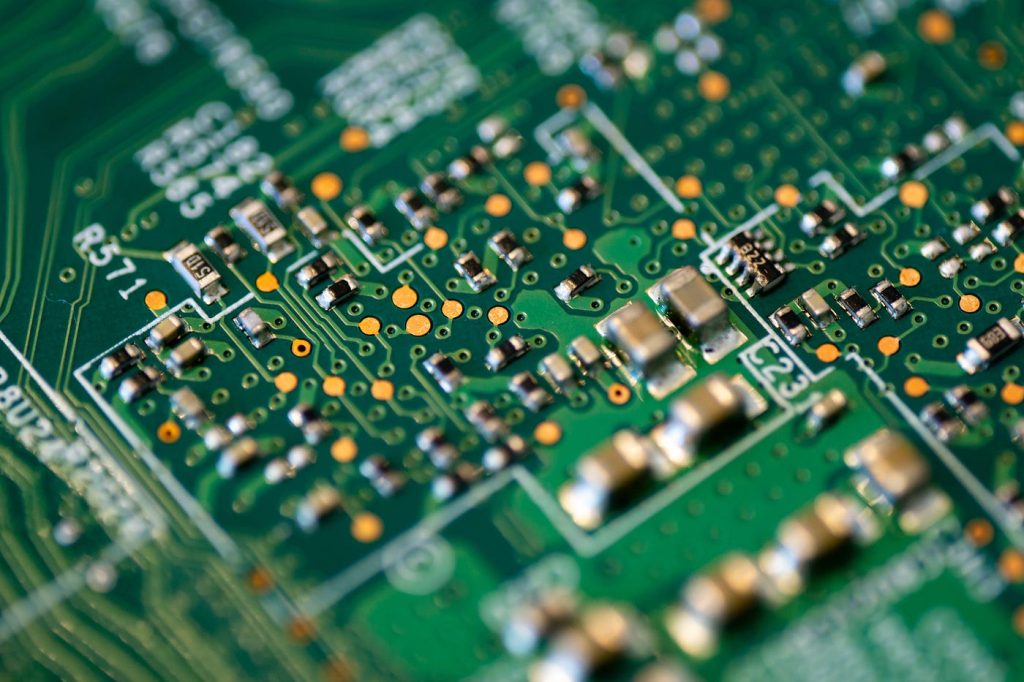
Functional testing of embedded circuits is a critical step in ensuring that an electronic device performs exactly as intended under real operating conditions. Unlike basic electrical tests that only verify continuity or insulation quality, functional testing evaluates the complete behaviour of the embedded system—hardware, software, and interfacing components—working together as a whole.
1. Purpose of Functional Testing
Functional testing aims to confirm that:
The embedded circuit performs all defined functions reliably.
Hardware and firmware interact correctly.
Inputs, outputs, and communication interfaces respond as specified.
The system operates safely under normal and stressed conditions.
Any potential defects are caught before mass production or field deployment.
2. Key Parameters Verified in Functional Testing
a. Power Management
Correct power-up and power-down sequencing
Voltage regulation and stability
Current consumption within defined limits
b. Signal Processing and Control
Correct reading of sensor inputs
Accurate signal conditioning and filtering
Proper functioning of microcontrollers, DSPs, or logic circuits
c. Firmware/Software Execution
Bootloader functionality
Program execution correctness
Response time, interrupts, and timing accuracy
d. Input/Output Interfaces
Digital and analog I/O functionality
PWM, ADC, and DAC operations
Display drivers, indicators, and keypad controls
e. Communication Protocols
UART, SPI, I2C, CAN, LIN, USB, or Ethernet communication
Packet integrity, baud rates, error detection
Interface compatibility with external devices
f. Safety and Protection Features
Over-voltage/under-voltage protection
Thermal shutdown behaviour
Watchdog timer response
Fail-safe modes and redundancy features
3. Common Functional Tests Performed
a. Board-Level Functional Test
Simulates actual working conditions to verify all features at the PCB stage.
b. In-Circuit Emulation Test
Uses debugging tools to check internal processor functions like registers, memory, and instruction flow.
c. Sensor Simulation Test
Injects simulated sensor signals (temperature, pressure, motion, etc.) to validate system response.
d. Load and Stress Testing
Applies maximum electrical load or extreme environmental conditions to test reliability.
e. Communication Loopback and Handshake Tests
Ensures proper sending, receiving, and acknowledgement of data packets.
f. User Interface Testing
Validates buttons, displays, touchscreens, indicators, and audible alerts.
4. Tools and Equipment Used
Automated Test Equipment (ATE)
JTAG/Boundary-scan testers
Oscilloscopes and logic analyzers
Function generators and signal testers
Multimeters and power analyzers
Embedded debuggers (ST-Link, J-Link, ICE, etc.)
Protocol analyzers for CAN, I2C, SPI, USB
5. Benefits of Functional Testing
Ensures high product reliability and safety
Detects hardware–software integration issues early
Reduces field failures and warranty costs
Improves customer satisfaction
Supports certification requirements (EMI/EMC, automotive, medical, etc.)
6. Applications
Functional testing is essential in:
Automotive ECUs and sensor modules
Consumer electronics
Industrial automation controllers
Medical devices
Aerospace and defence systems
IoT devices and smart appliances
Conclusion
Functional testing of embedded circuits is an indispensable stage of the product development cycle. By thoroughly validating system behaviour under real conditions, manufacturers can ensure that each device performs reliably, safely, and consistently throughout its lifecycle. It bridges the gap between design intent and actual performance, paving the way for robust and high-quality electronic products.