Tolerance and dimensional control are critical aspects of medical mould manufacturing due to the stringent regulatory requirements and the functional importance of medical components. Medical moulded parts are often used in life-critical applications, where even minimal dimensional deviations can compromise performance, safety, or regulatory compliance.
Importance of Tight Tolerances in Medical Moulds
Medical devices such as syringes, catheters, connectors, implants, and diagnostic components require extremely tight tolerances to ensure proper fit, functionality, and reliability. Poor dimensional control can lead to leakage, improper assembly, inaccurate dosing, or failure during use. Regulatory standards such as ISO 13485 and FDA guidelines demand consistent dimensional accuracy and traceability throughout the manufacturing process.
Typical Tolerance Requirements
Medical moulds commonly require tolerances ranging from ±0.005 mm to ±0.02 mm, depending on the component’s function and material. Micro-medical components may require even tighter tolerances. Critical dimensions include wall thickness, sealing surfaces, mating features, and flow paths, all of which directly affect device performance.
Factors Affecting Dimensional Accuracy
Several factors influence tolerance control in medical moulds:
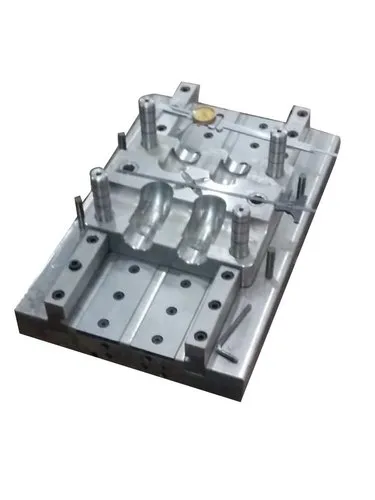
Mould Design: Gate location, runner balance, venting, and cooling channel design affect part shrinkage and warpage.
Material Shrinkage: Medical-grade polymers such as PP, PE, ABS, PC, PEEK, and TPU have different shrinkage characteristics that must be carefully accounted for during mould design.
Tool Steel Selection: High-quality, stable steels (e.g., H13, S136, stainless steel grades) minimize deformation and wear over time.
Processing Parameters: Injection pressure, melt temperature, cooling time, and packing pressure significantly impact part dimensions.
Environmental Conditions: Temperature and humidity variations can influence both mould performance and part stability.
Dimensional Control Techniques
To maintain consistent tolerances, medical mould manufacturers use advanced control techniques:
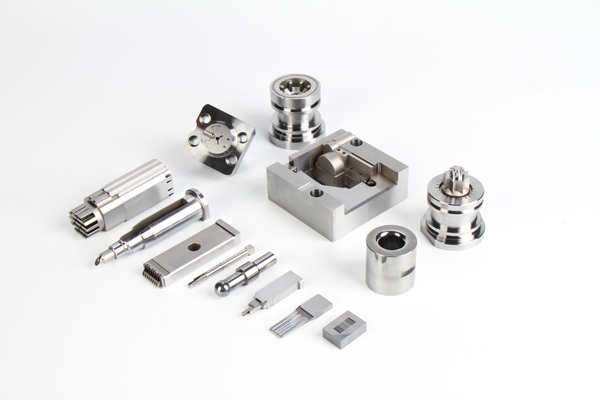
Precision CNC Machining: High-speed CNC machining and EDM ensure accurate cavity and core dimensions.
Mould Flow Analysis: Simulation software predicts shrinkage, warpage, and filling behavior, allowing corrections before tool manufacturing.
Controlled Cooling Systems: Uniform cooling reduces internal stresses and dimensional variation.
In-Process Monitoring: Sensors and process monitoring systems help maintain stable moulding conditions.
Validation and Qualification: IQ, OQ, and PQ processes ensure moulds produce parts within specification consistently.
Measurement and Inspection Methods
Accurate inspection is essential for dimensional control in medical moulds:
Coordinate Measuring Machines (CMM): Used for high-precision dimensional verification.
Optical and Vision Systems: Suitable for micro and transparent medical parts.
Gauge and Fixture Checks: Custom gauges ensure fast and repeatable inspections.
Statistical Process Control (SPC): Monitors trends and detects variations early in production.
Challenges in Medical Mould Tolerance Control
Maintaining tight tolerances over long production runs is challenging due to tool wear, material batch variation, and process drift. Multi-cavity moulds and micro-moulded components add further complexity, requiring frequent calibration and robust quality systems.
Benefits of Effective Dimensional Control
Effective tolerance and dimensional control result in:
Reliable and safe medical devices
Consistent product quality and repeatability
Reduced rejection and rework rates
Easier regulatory approvals and audits
Improved customer confidence and market acceptance
Conclusion
Tolerance and dimensional control are fundamental to the success of medical mould manufacturing. By combining precise mould design, advanced machining, controlled processing, and rigorous inspection, manufacturers can meet the demanding requirements of the medical industry while ensuring patient safety and regulatory compliance.