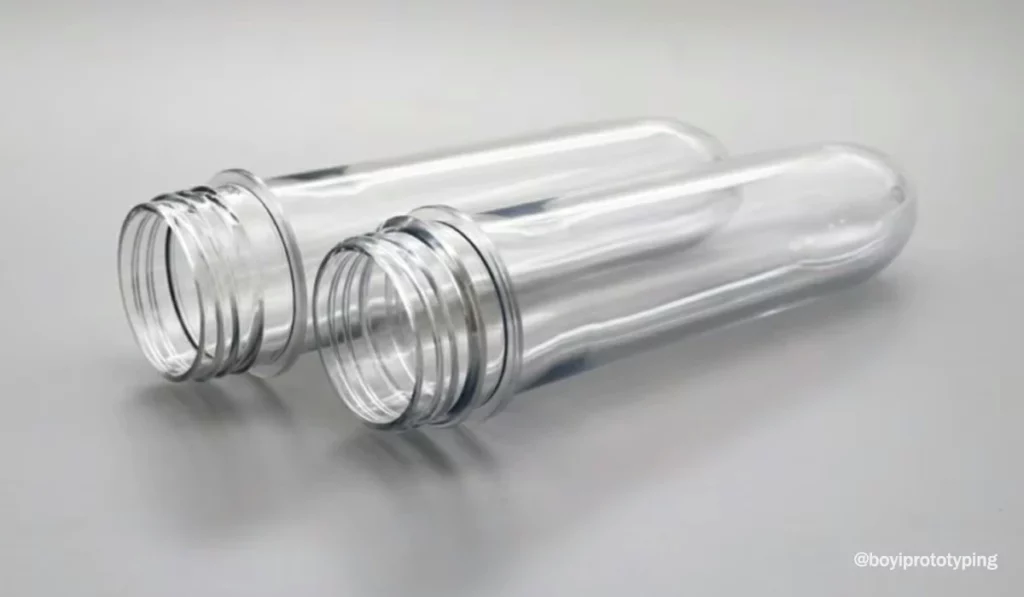
Transparent and clear cosmetic moulding plays a critical role in premium cosmetic packaging, where product visibility, aesthetic appeal, and surface clarity directly influence consumer perception. Materials such as PMMA (Polymethyl Methacrylate) and PET (Polyethylene Terephthalate) are widely used to manufacture crystal-clear cosmetic containers including jars, bottles, caps, compacts, and display components. Achieving optical clarity requires precise mould design, controlled processing, and superior surface finishing.
Importance of Optical Clarity in Cosmetic Packaging
Clear cosmetic packaging enhances product presentation by showcasing color, texture, and fill level. High transparency also communicates purity, quality, and luxury—key factors in skincare, fragrance, and makeup products. Any haze, flow marks, weld lines, or surface defects can significantly reduce visual appeal, making mould precision essential.
Materials Used in Transparent Cosmetic Moulding
PMMA (Acrylic):
PMMA is known for its exceptional transparency, high gloss finish, and excellent scratch resistance. It offers glass-like clarity and is commonly used for premium cosmetic jars, lids, and decorative components.
Key characteristics:
High light transmission (up to ~92%)
Superior surface gloss
Good UV resistance
Rigid and dimensionally stable
PET:
PET provides good clarity combined with toughness and chemical resistance, making it suitable for bottles and containers that require impact strength and compatibility with cosmetic formulations.
Key characteristics:
High transparency with slight flexibility
Good barrier properties
Lightweight and recyclable
Excellent resistance to oils and alcohol-based products
Mould Design Considerations for Clear Parts
Moulds for transparent cosmetic components must be designed to eliminate visual defects and maintain uniform clarity.
Key design aspects include:
Balanced gating to ensure smooth, uniform flow
Proper venting to prevent air traps and burn marks
Uniform wall thickness to avoid sink marks and distortion
Polished runners and cavities to minimize shear stress
Optimized cooling channels for controlled, even cooling
Surface Finish and Polishing Requirements
Surface quality of the mould directly affects the clarity of moulded parts. High-grade mirror polishing is mandatory for transparent components.
Common finishing standards:
SPI A1 / A2 mirror finish for optical clarity
Diamond polishing to eliminate micro-scratches
Consistent polishing across cavities in multi-cavity moulds
Even minor tool marks or polishing inconsistencies can appear magnified in transparent plastics.
Injection Moulding Process Control
Process stability is crucial when moulding PMMA and PET to avoid internal stresses and visual imperfections.
Critical parameters include:
Controlled melt temperature to prevent degradation
Optimized injection speed to avoid flow lines
Adequate packing pressure to eliminate voids
Proper mould temperature for clarity and gloss
Controlled cooling to reduce birefringence and stress cracking
Defect Prevention in Transparent Moulding
Transparent parts are highly sensitive to defects. Common issues and preventive measures include:
Flow marks: Optimized gate location and injection speed
Bubbles or voids: Proper venting and drying of raw material
Stress whitening: Controlled cooling and annealing where required
Haze: Moisture control and correct processing temperatures
Material drying is especially critical for PET and PMMA to prevent moisture-related defects.
Applications in Cosmetic Packaging
Transparent moulding is widely used across cosmetic product categories, including:
Skincare jars and bottles
Perfume caps and decorative covers
Compact cases and clear lids
Display windows for cosmetic containers
Luxury packaging components
Quality and Compliance Considerations
Cosmetic moulds must comply with industry quality standards and ensure compatibility with cosmetic formulations. This includes:
Chemical resistance to oils, fragrances, and active ingredients
Consistent dimensional accuracy for leak-free sealing
Repeatability across high-volume production
Cleanroom-compatible mould designs where required
Conclusion
Transparent and clear cosmetic moulding using PMMA and PET demands a combination of high-quality materials, precision mould design, mirror-level surface finishing, and tightly controlled processing conditions. When executed correctly, it enables the production of visually flawless, premium cosmetic packaging that enhances brand appeal and consumer trust.