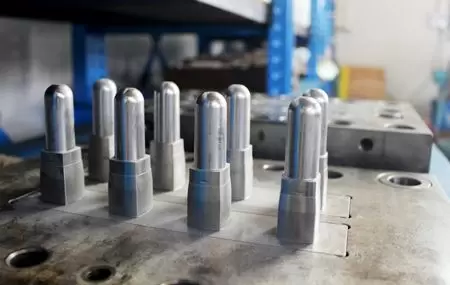
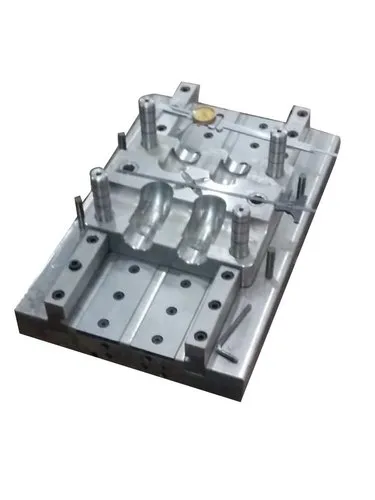
Cost estimation is a critical phase in cosmetic mould manufacturing, as it directly impacts pricing, profitability, and project feasibility. Accurate estimation ensures efficient resource allocation, competitive quotations, and controlled production costs.
1. Key Components of Cost Estimation
a. Design and Engineering Costs
- Product design analysis and feasibility study
- 3D modelling and CAD development
- Mold flow analysis (to predict defects like warpage, shrinkage, air traps)
- Design modifications and approvals
b. Raw Material Costs
- Tool steel (e.g., P20, H13, stainless steel for high polish requirements)
- Standard components (ejector pins, guide pillars, bushings, hot runner systems)
- Inserts and core materials
Material selection significantly influences cost depending on:
- Surface finish requirements (mirror finish for cosmetic parts)
- Expected mould life
- Corrosion resistance (for aggressive materials)
c. Machining and Manufacturing Costs
- CNC machining
- EDM (Electrical Discharge Machining)
- Wire cutting
- Grinding and polishing (especially critical for cosmetic finishes)
High-gloss or textured surfaces increase machining time and cost.
d. Assembly and Fitting Costs
- Mould assembly and alignment
- Manual fitting and adjustments
- Integration of cooling channels and hot runners
e. Surface Finishing Costs
- Mirror polishing for aesthetic parts
- Texturing (matte, leather grain, etc.)
- Coatings for wear resistance
This is a major cost driver in cosmetic moulds due to high visual quality requirements.
f. Trial and Validation Costs
- Trial runs (T0, T1, T2 trials)
- Sampling and inspection
- Defect correction and rework
Multiple iterations increase overall cost.
g. Quality Control and Inspection
- Dimensional inspection (CMM, gauges)
- Surface quality checks
- Documentation and reporting
h. Packaging and Transportation
- Safe packaging of moulds
- Logistics and shipping charges
2. Factors Influencing Cost
a. Product Complexity
- Intricate designs, thin walls, and undercuts require complex tooling
- Multi-cavity moulds increase initial cost but reduce per-unit cost
b. Surface Finish Requirements
- Cosmetic products demand high-gloss or decorative finishes
- Polishing and texturing significantly increase labour and time
c. Mould Size and Weight
- Larger moulds require more material and machining time
- Heavier moulds increase handling and transportation costs
d. Production Volume
- High-volume production justifies durable (and expensive) mould materials
- Low-volume moulds may use softer, cost-effective materials
e. Type of Mould
- Single cavity vs multi-cavity
- Hot runner vs cold runner
- Stack moulds (higher cost but increased productivity)
3. Cost Estimation Methods
a. Experience-Based Estimation
- Based on historical data and similar past projects
- Quick but may lack precision
b. Feature-Based Estimation
- Cost calculated based on part features (size, complexity, cavities)
c. Activity-Based Costing (ABC)
- Detailed breakdown of each manufacturing step
- More accurate and widely used in professional setups
d. Software-Based Estimation
- Use of ERP and costing software
- Integration with CAD/CAM systems for precision
4. Sample Cost Breakdown (Typical Distribution)
| Cost Component | Approx. Percentage |
|---|---|
| Material | 30–40% |
| Machining | 25–35% |
| Design & Engineering | 10–15% |
| Assembly & Fitting | 5–10% |
| Finishing & Polishing | 10–15% |
| Trials & Testing | 5–10% |
5. Cost Optimization Strategies
- Design Optimization: Simplify part geometry to reduce tooling complexity
- Standardization: Use standard mould components
- Material Selection: Choose cost-effective materials without compromising quality
- Automation: Reduce manual intervention in machining and polishing
- Efficient Cooling Design: Reduce cycle time and improve productivity
- Preventive Maintenance Planning: Avoid costly breakdowns
6. Challenges in Cost Estimation
- Frequent design changes
- Unclear product specifications
- Underestimation of finishing requirements
- Variability in raw material prices
- Trial-and-error during mould validation
7. Conclusion
Cost estimation for cosmetic mould manufacturing requires a balance between precision, quality, and efficiency. Since cosmetic products demand superior aesthetics and tight tolerances, detailed planning and accurate costing methods are essential. A well-prepared cost estimate not only ensures profitability but also builds trust with clients through transparent and competitive pricing.