Maintaining high levels of cleanliness and contamination control in mould shops is essential to ensure consistent product quality, extend tool life, and meet industry standards—especially in sectors such as medical, cosmetic, and food-grade manufacturing. Even minor contamination can lead to defects, increased rejection rates, and costly downtime.
1. Importance of Cleanliness in Mould Shops
Cleanliness directly impacts:
- Product Quality – Prevents defects like black spots, streaks, burns, and inclusions
- Tool Life – Reduces wear, corrosion, and damage to mould surfaces
- Process Stability – Ensures consistent moulding cycles and part repeatability
- Regulatory Compliance – Critical for medical and food-contact applications
2. Common Sources of Contamination
Contamination can originate from multiple sources within the mould shop:
- Dust and Airborne Particles – From machining, polishing, or surrounding environment
- Oil and Grease Residues – From machines, handling, or improper cleaning
- Material Contamination – Mixing of different polymers or degraded material
- Human Factors – Improper handling, fingerprints, or lack of hygiene practices
- Coolant and Water Impurities – Contaminated cooling systems leading to scaling or deposits
3. Types of Contamination
- Particulate Contamination – Dust, metal chips, polishing compounds
- Chemical Contamination – Oils, solvents, rust inhibitors
- Biological Contamination – Microbial growth (critical in medical moulding)
- Cross-Contamination – Mixing of materials, colors, or additives
4. Cleanliness Zones in Mould Shops
To control contamination, mould shops can be divided into zones:
- General Area – Machining and rough work (higher contamination tolerance)
- Controlled Area – Assembly and finishing (moderate cleanliness)
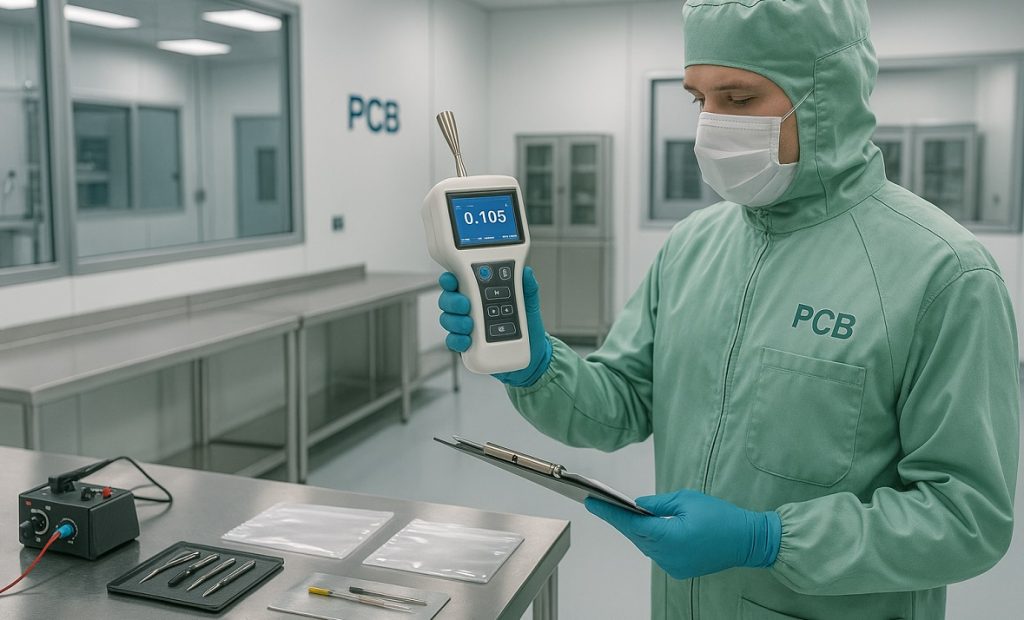
- Clean Area / Clean Room – Final assembly, inspection, and packaging (strict control)
Use of positive air pressure, air filtration systems (HEPA), and restricted access is recommended in critical zones.
5. Best Practices for Contamination Control
a) Workplace Organization (5S Methodology)
- Sort – Remove unnecessary items
- Set in Order – Organize tools and components
- Shine – Regular cleaning schedules
- Standardize – Defined cleaning procedures
- Sustain – Continuous monitoring and discipline
b) Personnel Hygiene and Training
- Use of gloves, lint-free clothing, and hair covers
- Hand cleaning before handling mould components
- Training on contamination risks and handling procedures
c) Cleaning Procedures for Moulds
- Use of approved solvents and lint-free wipes
- Ultrasonic cleaning for precision components
- Avoid abrasive materials that damage polished surfaces
- Regular cleaning schedules during maintenance cycles
d) Material Handling and Storage
- Store raw materials in sealed, labeled containers
- Avoid mixing regrind with virgin material unless controlled
- Use dedicated bins for different materials/colors
- Maintain traceability of materials
e) Equipment Maintenance
- Regular cleaning of machines, hoppers, and dryers
- Use of filters in compressed air systems
- Prevent oil leaks and coolant contamination
- Scheduled preventive maintenance
f) Environmental Control
- Install dust extraction systems
- Maintain temperature and humidity control
- Use anti-static measures where required
- Implement air filtration (HEPA filters for critical applications)
6. Inspection and Monitoring
- Visual Inspection – Check for dust, stains, or residues
- Surface Cleanliness Testing – Swab tests, particle counters
- Process Monitoring – Identify defects linked to contamination
- Audit Systems – Regular cleanliness audits and checklists
7. Special Considerations for Medical and Cosmetic Moulds
- Use of cleanroom-compatible materials and lubricants
- Sterile or controlled assembly environments
- Compliance with standards such as ISO 13485 (medical)
- Documentation and traceability for every cleaning step
8. Benefits of Effective Contamination Control
- Reduced rejection and rework
- Improved product aesthetics and functionality
- Longer mould life and reduced maintenance cost
- Enhanced customer satisfaction and compliance readiness
Conclusion
Cleanliness and contamination control are not one-time activities but continuous processes that require disciplined implementation of procedures, proper training, and regular monitoring. By adopting structured cleanliness practices, mould shops can significantly improve productivity, product quality, and operational efficiency while meeting stringent industry requirements.