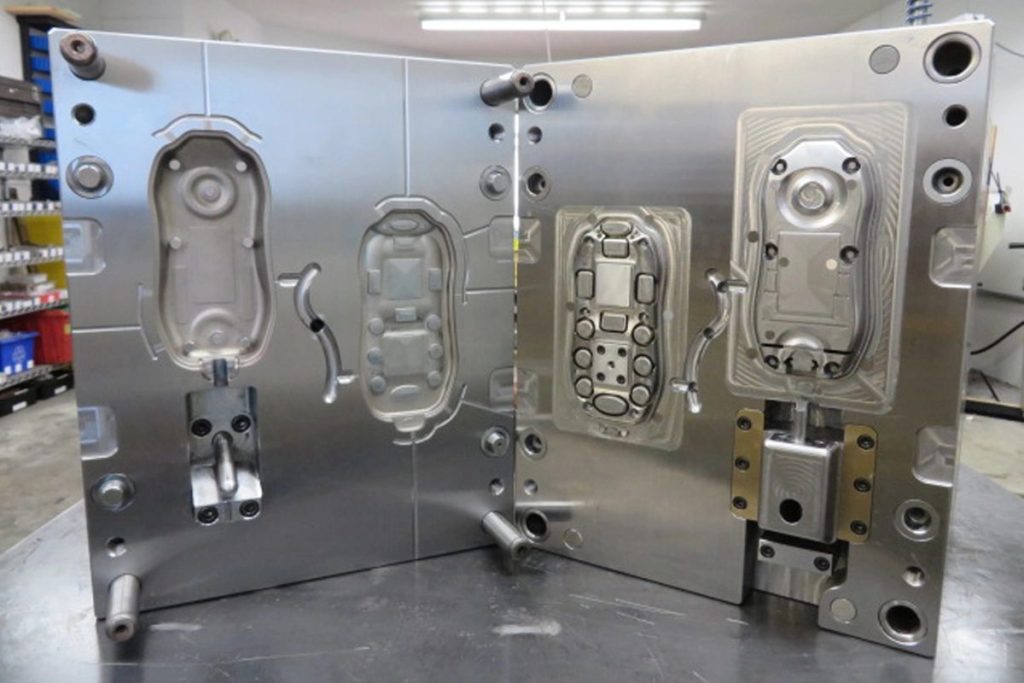
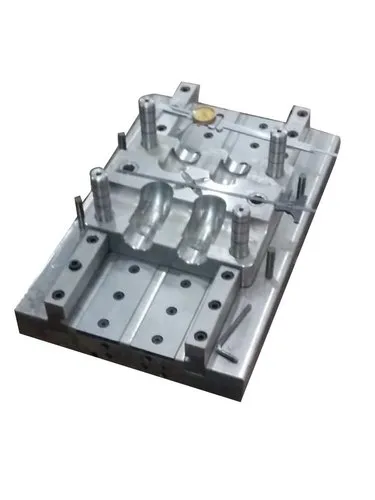
In modern manufacturing, reducing material usage while maintaining product strength and quality is a key objective. Lightweight and material-saving mould design techniques help optimize production costs, improve sustainability, and enhance product performance. These techniques are widely applied in industries such as automotive, packaging, medical, and consumer goods.
Key Objectives
- Minimize raw material consumption
- Reduce cycle time and energy usage
- Maintain structural integrity and durability
- Lower overall production cost
- Support sustainable manufacturing practices
Core Design Techniques
1. Thin Wall Moulding
Thin wall moulding involves designing parts with reduced wall thickness while ensuring adequate strength.
- Requires precise control of injection speed and pressure
- Uses high-flow materials for better filling
- Common in packaging and disposable products
Benefits:
- Less material consumption
- Faster cooling and shorter cycle times
2. Rib and Gusset Optimization
Instead of increasing wall thickness, ribs and gussets are added to improve strength.
- Ribs provide structural support without adding bulk
- Proper rib thickness (typically 50–70% of wall thickness) avoids defects
Benefits:
- Maintains strength with minimal material
- Reduces sink marks and warpage
3. Core-Cavity Design Optimization
Efficient core and cavity design helps eliminate unnecessary material usage.
- Use of hollow sections instead of solid parts
- Strategic placement of cores to remove excess material
Benefits:
- Weight reduction
- Lower material cost
4. Gas-Assisted Injection Moulding
This technique uses gas (usually nitrogen) to create hollow sections inside thick parts.
- Gas is injected into molten plastic to push material outward
- Creates uniform wall thickness
Benefits:
- Significant material savings
- Reduced sink marks and internal stresses
5. Structural Foam Moulding
Involves introducing gas or chemical blowing agents to create a foamed core structure.
- Outer surface remains solid, inner core becomes cellular
Benefits:
- Lightweight parts
- Reduced material usage
- Improved stiffness-to-weight ratio
6. Use of Advanced Materials
Selecting the right material plays a crucial role.
- High-strength polymers allow thinner designs
- Reinforced plastics (glass-filled, carbon-filled) improve strength
Benefits:
- Enables weight reduction without compromising performance
7. Topology Optimization and Simulation
Advanced software tools are used to optimize material distribution.
- Removes unnecessary material from low-stress areas
- Uses simulation to predict part performance
Benefits:
- Highly efficient designs
- Reduced trial-and-error in development
8. Multi-Cavity and Family Mould Design
Optimizing mould layout improves material utilization.
- Reduces runner waste through balanced design
- Hot runner systems minimize scrap
Benefits:
- Less material wastage
- Improved production efficiency
9. Hot Runner Systems
Hot runner moulds eliminate the need for cold runners.
- Molten plastic flows directly into the cavity
- No solidified runner waste
Benefits:
- Significant material savings
- Improved part quality
10. Insert Moulding and Overmoulding
Combining multiple functions into a single part reduces material usage.
- Integrates metal or other components within plastic
Benefits:
- Eliminates additional parts
- Reduces assembly and material cost
Design Considerations
- Maintain uniform wall thickness to avoid defects
- Ensure proper cooling channel design
- Balance strength vs. weight reduction
- Consider manufacturability and tooling cost
- Validate designs using simulation tools
Challenges
- Risk of part deformation or reduced strength
- Increased complexity in mould design
- Need for precise process control
- Higher initial tooling and simulation costs
Applications
- Automotive components (interior trims, housings)
- Packaging (thin containers, caps)
- Medical devices (lightweight disposable items)
- Consumer products (appliances, electronics)
Conclusion
Lightweight and material-saving mould design techniques are essential for achieving cost efficiency and sustainability in modern manufacturing. By integrating advanced design strategies, optimized materials, and innovative moulding technologies, manufacturers can significantly reduce material consumption while maintaining product quality and performance.