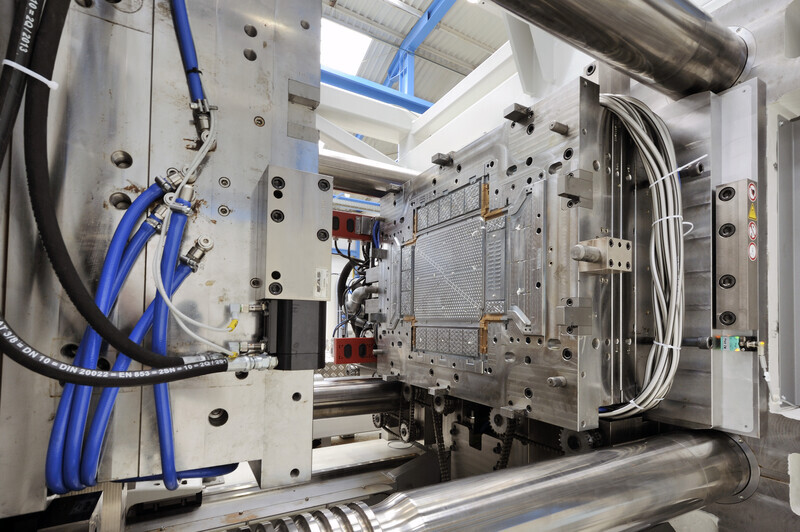
Reducing lead time in cosmetic mould production is critical for staying competitive in a fast-moving consumer goods market. Shorter lead times enable quicker product launches, improved customer satisfaction, and better resource utilization. Achieving this requires a combination of design optimization, process efficiency, advanced technologies, and strong supply chain coordination.
1. Design Optimization and Standardization
a. Modular Mould Design
- Use standardized mould bases and interchangeable components.
- Reduces design time and simplifies manufacturing and maintenance.
b. Design for Manufacturability (DFM)
- Optimize product and mould design to minimize complexity.
- Avoid unnecessary features that increase machining time.
c. Early Design Validation
- Use simulation tools (flow analysis, cooling analysis) to identify issues early.
- Reduces rework and trial iterations.
2. Advanced Manufacturing Technologies
a. High-Speed Machining (HSM)
- Enables faster material removal with high precision.
- Reduces machining cycle time significantly.
b. CNC Automation
- Use multi-axis CNC machines for complex geometries in fewer setups.
- Reduces manual intervention and setup time.
c. Additive Manufacturing (3D Printing)
- Useful for rapid prototyping and conformal cooling channels.
- Accelerates development and testing phases.
3. Efficient Project Management
a. Parallel Processing
- Perform design, procurement, and machining activities simultaneously.
- Reduces overall project duration.
b. Digital Project Tracking
- Use ERP or project management software to monitor progress in real-time.
- Identifies bottlenecks early and improves coordination.
c. Clear Communication
- Maintain transparent communication between design, production, and clients.
- Avoids delays due to misinterpretation or approval gaps.
4. Supply Chain Optimization
a. Vendor Development
- Build strong relationships with reliable suppliers.
- Ensure quick availability of standard components and raw materials.
b. Inventory Management
- Maintain stock of frequently used components like ejector pins, hot runners, and inserts.
- Reduces waiting time for procurement.
c. Local Sourcing
- Prefer local suppliers to reduce logistics and transportation delays.
5. Process Standardization and Lean Practices
a. Standard Operating Procedures (SOPs)
- Implement SOPs for design, machining, assembly, and testing.
- Ensures consistency and reduces errors.
b. Lean Manufacturing
- Eliminate non-value-added activities (waiting, excess movement, rework).
- Improve workflow efficiency.
c. 5S Implementation
- Organize the workplace for faster access to tools and materials.
- Reduces time wastage.
6. Skilled Workforce and Training
- Train operators and engineers in advanced machining and design tools.
- Multi-skilled workforce improves flexibility and reduces dependency.
- Continuous learning ensures adaptation to new technologies.
7. Trial and Validation Optimization
a. Pre-Validation Checks
- Conduct dry runs and assembly checks before actual trials.
- Reduces trial failures.
b. Scientific Mould Trials
- Use data-driven approaches for parameter setting.
- Minimizes the number of trial iterations.
c. Rapid Feedback Loop
- Quickly analyze trial results and implement corrections.
8. Use of Digitalization and Industry 4.0
- Implement IoT-enabled machines for real-time monitoring.
- Use data analytics to predict delays and optimize scheduling.
- Digital twins can simulate mould performance before production.
9. Outsourcing and Strategic Partnerships
- Outsource non-core or time-consuming processes like heat treatment or surface finishing.
- Partner with specialized vendors for faster turnaround.
10. Continuous Improvement and Performance Monitoring
- Track key metrics such as:
- Lead time per mould
- Rework percentage
- On-time delivery rate
- Conduct regular reviews and implement corrective actions.
Conclusion
Lead time reduction in cosmetic mould production is not achieved through a single method but through a holistic approach combining design efficiency, advanced technology, streamlined processes, and strong coordination. By adopting these strategies, manufacturers can enhance productivity, reduce costs, and respond quickly to market demands.