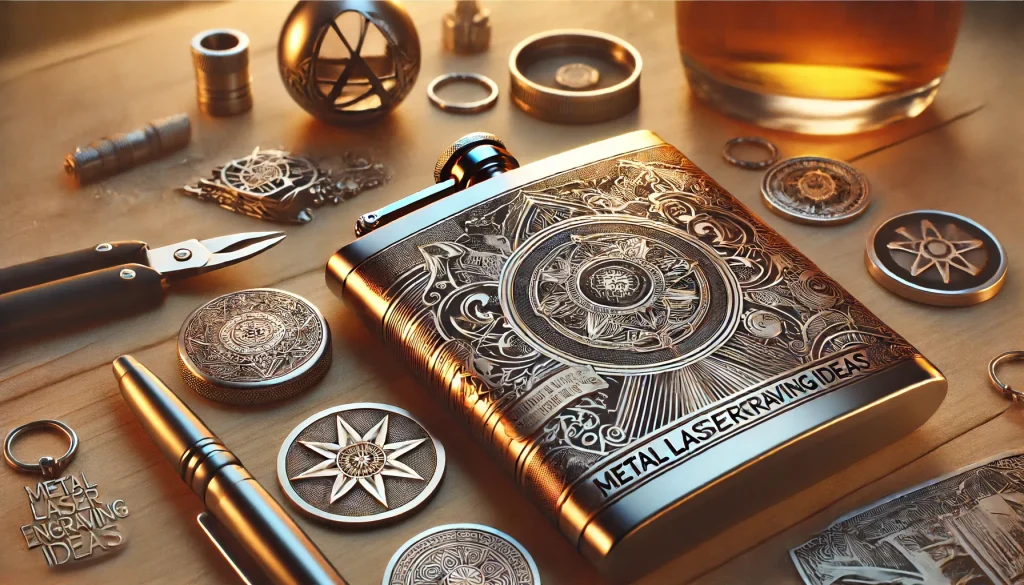
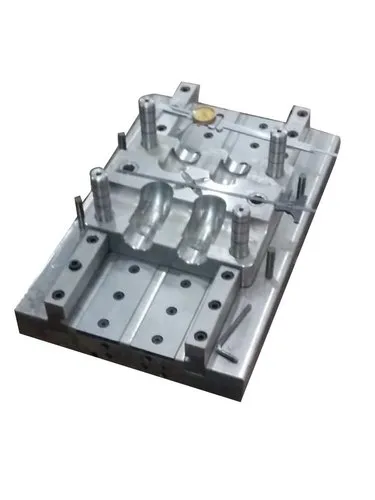
Decorative finishes play a vital role in enhancing the visual appeal, functionality, and market value of moulded products. In industries such as stationery, cosmetics, and consumer goods, finishes like texturing, engraving, and branding are not just aesthetic elements—they also influence product usability, grip, and brand identity.
1. Importance of Decorative Finishes
Decorative finishes contribute to:
- Product differentiation in competitive markets
- Enhanced aesthetics and perceived value
- Improved functionality (e.g., anti-slip surfaces)
- Brand recognition and identity
- Surface defect masking
2. Texturing in Mould Design
What is Texturing?
Texturing refers to the intentional creation of surface patterns on mould cavities to impart a specific finish to the final product.
Types of Textures
- Matte Finish – Reduces glare and fingerprints
- Gloss Finish – Smooth and shiny appearance
- Leather Texture – Premium and tactile feel
- Geometric Patterns – Modern and decorative
- Custom Textures – Designed as per brand requirements
Methods of Texturing
- Chemical Etching – Acid-based process for intricate patterns
- Laser Texturing – High precision and repeatability
- Mechanical Engraving – Traditional method using tools
Applications
- Pen grips and stationery bodies
- Cosmetic packaging (caps, containers)
- Consumer electronics housings
3. Engraving Techniques
What is Engraving?
Engraving involves cutting or carving designs, logos, or text directly into the mould surface so that they appear on the final product.
Types of Engraving
- Laser Engraving – High accuracy and fine detailing
- CNC Engraving – Suitable for deeper and durable marks
- Hand Engraving – Used for artistic or custom applications
Key Considerations
- Depth and clarity of engraving
- Draft angles for easy demoulding
- Material compatibility
- Wear resistance of engraved areas
Applications
- Logos on pens and stationery items
- Measurement markings on tools
- Decorative patterns on product surfaces
4. Branding Through Moulds
Role of Branding
Branding ensures that the product carries a distinct identity directly from the mould, eliminating the need for secondary operations.
Branding Techniques
- Embossing – Raised logos or text
- Debossing – Recessed designs
- In-mould Labelling (IML) – Labels fused during moulding
- Pad Printing / Screen Printing – Post-moulding branding
Advantages
- Permanent and tamper-proof marking
- Cost-effective for mass production
- Consistent brand visibility
5. Design Considerations for Decorative Finishes
When incorporating finishes into mould design:
- Maintain uniform texture depth
- Ensure adequate draft angles (especially for textured surfaces)
- Avoid sharp edges that may cause defects
- Consider material shrinkage and flow behavior
- Optimize venting and cooling to preserve surface quality
6. Challenges and Solutions
| Challenge | Solution |
|---|---|
| Uneven texture | Use advanced laser texturing |
| Wear of engraved details | Apply surface coatings (e.g., nitriding) |
| Difficult demoulding | Increase draft angles |
| Surface defects visibility | Select appropriate texture finish |
7. Latest Trends
- Micro-texturing for premium feel
- Laser-based 3D textures
- Sustainable finishes reducing post-processing
- Smart surfaces (anti-bacterial, anti-fingerprint)
- Customization and personalization in mould design
Conclusion
Decorative finishes such as texturing, engraving, and branding are essential elements in modern mould design. They not only enhance product aesthetics but also improve functionality and strengthen brand identity. With advancements in laser technology and precision manufacturing, manufacturers can achieve highly detailed and durable finishes that meet evolving market demands.