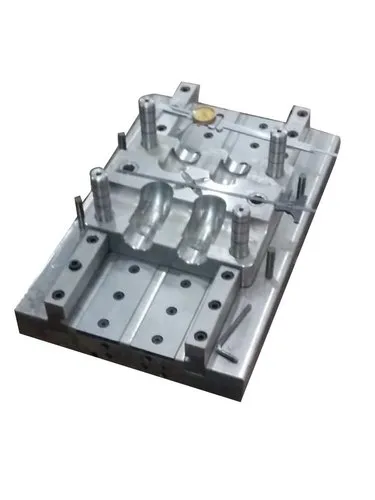
Reducing lead time in stationery mould projects is critical for staying competitive in fast-moving markets where product trends, seasonal demand, and cost pressures are constantly evolving. Efficient lead time management ensures quicker product launches, better customer satisfaction, and improved resource utilization.
1. Optimized Product & Mould Design
Early-stage design plays a major role in overall project timelines.
- Design for Manufacturability (DFM): Simplifying part geometry reduces machining complexity and tooling time.
- Standardization of Components: Using standard mould bases, ejector systems, and cooling elements avoids custom fabrication delays.
- Early Design Validation: Conduct design reviews and simulations (flow analysis, cooling analysis) to minimize rework.
2. Use of Advanced CAD/CAM Technologies
Modern digital tools significantly accelerate design and manufacturing.
- Integrated CAD/CAM Systems: Enable seamless transition from design to machining.
- Automation in Toolpath Generation: Reduces programming time for CNC machining.
- Simulation Software: Identifies potential defects before production, saving trial cycles.
3. Rapid Prototyping & Testing
- 3D Printing for Prototypes: Allows quick validation of product design before mould fabrication.
- Soft Tooling: Temporary moulds for testing reduce risk of major modifications later.
- Parallel Testing: Conduct prototype testing while final mould design is being refined.
4. Efficient Project Planning & Workflow Management
- Concurrent Engineering: Design, procurement, and machining processes run in parallel rather than sequentially.
- Clear Milestones & Timelines: Break the project into defined phases with accountability.
- Digital Project Tracking: Use ERP or project management tools to monitor progress in real time.
5. Material Selection & Procurement Optimization
- Pre-approved Material Suppliers: Reduces time spent on sourcing and quality checks.
- Stocking Critical Materials: Maintain inventory for commonly used steels and components.
- Alternative Materials: Use readily available materials where possible without compromising quality.
6. High-Speed & Precision Machining
- CNC and High-Speed Milling: Reduces machining cycle time while maintaining accuracy.
- Multi-axis Machining: Minimizes setups and improves efficiency.
- Standardized Machining Practices: Reduces operator dependency and errors.
7. Skilled Workforce & Training
- Cross-functional Teams: Designers, machinists, and quality engineers working collaboratively.
- Regular Training: Ensures operators are proficient with latest technologies and processes.
- Reduced Rework: Skilled personnel minimize mistakes that cause delays.
8. Improved Tool Assembly & Tryout Process
- Pre-assembly Checks: Ensure all components are verified before final assembly.
- Quick Change Systems: Reduce time during mould trials and adjustments.
- Structured Trial Runs: Identify and fix defects efficiently during initial runs.
9. Vendor & Supply Chain Coordination
- Reliable Vendor Network: Ensures timely delivery of outsourced components like hot runners, inserts, etc.
- Vendor Integration: Sharing design data and schedules improves coordination.
- Local Sourcing: Reduces logistics delays.
10. Continuous Improvement & Feedback Loop
- Post-Project Analysis: Identify bottlenecks and improvement areas.
- Standard Operating Procedures (SOPs): Document best practices for future projects.
- Lean Manufacturing Principles: Eliminate waste and streamline processes.
Conclusion
Lead time reduction in stationery mould projects is achieved through a combination of smart design practices, advanced technology, efficient planning, and strong coordination across teams and suppliers. By adopting a proactive and integrated approach, manufacturers can significantly shorten development cycles, reduce costs, and respond quickly to market demands.