Common Stationery Products Manufactured Using Moulds

The stationery industry relies heavily on moulding technology—especially plastic injection moulding—to mass-produce durable, cost-effective, and precisely shaped products. Moulds enable consistent quality, high productivity, and innovative designs, making them essential for modern stationery manufacturing. 1. Pens and Pen Components One of the most widely moulded stationery products is the pen. Moulds are used to manufacture: […]

Common Stationery Products Manufactured Using Moulds Read More »

Importance of Precision in Medical Mould Manufacturing

Precision plays a critical role in medical mould manufacturing due to the direct impact moulded components have on patient safety, product performance, and regulatory compliance. Medical devices and healthcare products often involve complex geometries, tight tolerances, and stringent quality requirements, making precision not just a preference but a necessity. 1. Patient Safety and Reliability Medical

Importance of Precision in Medical Mould Manufacturing Read More »

Types of Plastic Materials Used in Cosmetic Moulds

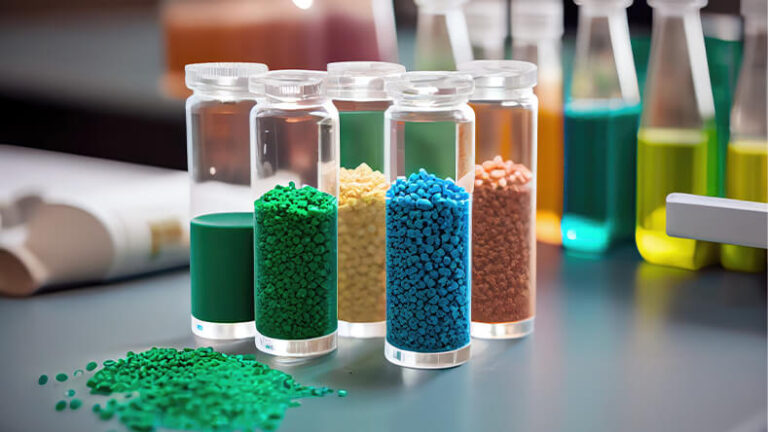
The cosmetic industry demands plastic materials that offer excellent aesthetics, chemical resistance, safety, and durability. Cosmetic moulds are designed to process a wide range of thermoplastics that meet regulatory standards while delivering high-quality surface finishes and precise detailing. Below are the most commonly used plastic materials in cosmetic mould manufacturing. 1. Polypropylene (PP) Polypropylene is

Types of Plastic Materials Used in Cosmetic Moulds Read More »

Role of Plastic Moulds in the Education Industry

Plastic moulds play a vital role in supporting the education industry by enabling the mass production of durable, safe, and cost-effective products used in schools, colleges, training institutes, and laboratories. From classroom furniture to teaching aids and laboratory equipment, plastic moulding technology helps meet the growing demand for quality educational infrastructure. 1. Manufacturing of Classroom

Role of Plastic Moulds in the Education Industry Read More »

Safety Guidelines in Mould Manufacturing Facilities

Safety Guidelines in Mould Manufacturing Facilities Mould manufacturing facilities involve heavy machinery, precision tools, high temperatures, electrical systems, and hazardous materials. Implementing comprehensive safety guidelines is essential to protect workers, maintain productivity, comply with regulations, and prevent costly accidents. A strong safety culture reduces downtime, improves quality, and ensures long-term operational sustainability. 1. Workplace Safety

Safety Guidelines in Mould Manufacturing Facilities Read More »

Certification Programs in Automotive Tooling

Certification programs in automotive tooling play a crucial role in enhancing technical competency, ensuring quality compliance, and improving global employability of professionals involved in tool design, mould making, die manufacturing, and production engineering. These certifications validate skills aligned with international automotive standards, advanced manufacturing practices, and Industry 4.0 requirements. 1. Importance of Certification in Automotive

Certification Programs in Automotive Tooling Read More »

Training and Skills Required for Mould Designers

Mould designers play a critical role in the plastic injection moulding industry by transforming product concepts into manufacturable tooling solutions. To meet the increasing demands of precision, productivity, and cost efficiency, mould designers must possess a strong combination of technical education, software proficiency, practical training, and industry-specific skills. 1. Educational Background A solid technical foundation

Training and Skills Required for Mould Designers Read More »

Key Industry Standards for Automotive Moulds (ISO, IATF)

The automotive mould industry operates under stringent quality, safety, and consistency requirements. To meet the high expectations of OEMs and Tier-1 suppliers, mould manufacturers must comply with internationally recognized standards. Among the most critical are ISO standards and IATF 16949, which together define best practices for quality management, process control, and continuous improvement in automotive

Key Industry Standards for Automotive Moulds (ISO, IATF) Read More »

Study of Failures in Electronic Moulded Parts

Electronic moulded parts are widely used in consumer electronics, automotive electronics, medical devices, and industrial equipment. These components must meet strict mechanical, electrical, and environmental performance requirements. However, failures in electronic moulded parts can lead to product malfunction, safety risks, recalls, and increased warranty costs. A systematic study of these failures helps manufacturers identify root

Study of Failures in Electronic Moulded Parts Read More »

Cost Estimation Techniques for Automotive Moulds

Accurate cost estimation is a critical factor in the successful design, development, and production of automotive moulds. Given the high precision, durability requirements, and large production volumes associated with the automotive industry, effective cost estimation helps manufacturers remain competitive while maintaining quality and compliance standards. 1. Design-Based Cost Estimation This technique evaluates costs at the

Cost Estimation Techniques for Automotive Moulds Read More »

Scroll to Top