Single-Stage vs Two-Stage Blow Moulding

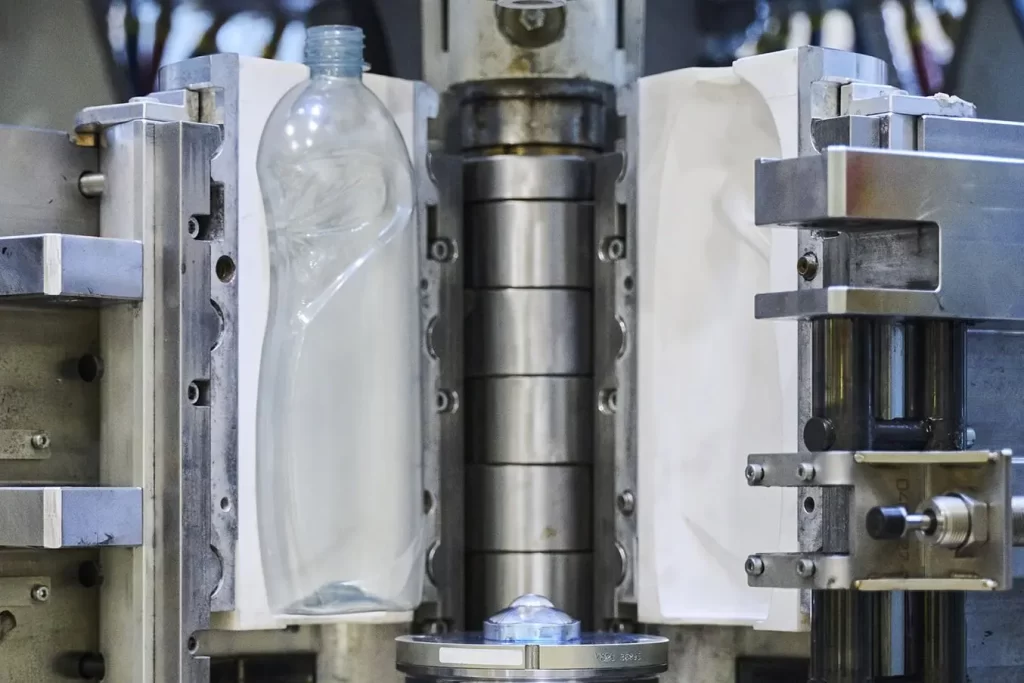
Blow moulding is a manufacturing process used to produce hollow plastic parts, such as bottles and containers. Two common variations of this process are Single-Stage and Two-Stage Blow Moulding. Understanding their differences is essential for selecting the right method based on product requirements, production volume, and cost efficiency. 1. Process Overview Single-Stage Blow Moulding Integrates […]

Single-Stage vs Two-Stage Blow Moulding Read More »

Blow Moulding Techniques for Cosmetic Containers

Blow moulding is a widely used manufacturing process for creating hollow plastic parts, especially containers and bottles used in the cosmetic industry. It allows for high-volume production, lightweight packaging, and intricate design features — all essential for cosmetic brands seeking to combine functionality with aesthetic appeal. 1. Introduction to Blow Moulding Blow moulding involves inflating

Blow Moulding Techniques for Cosmetic Containers Read More »

Comparison of Rigid vs. Flexible Closures

Closures are critical components in packaging systems, responsible for sealing a container and preserving product integrity. They come in two primary types: rigid and flexible closures. Each type has unique characteristics, advantages, and suitable applications. 1. Definition Rigid Closures: Made from hard, inflexible materials (usually plastics or metals), these closures maintain their shape under stress.

Comparison of Rigid vs. Flexible Closures Read More »

Stretch Blow Moulding: Mechanism and Benefits

Stretch Blow Moulding (SBM) is a widely used manufacturing process for producing hollow plastic containers, particularly bottles made from polyethylene terephthalate (PET). It combines elements of extrusion and injection moulding with blow moulding techniques, offering high precision, strength, and clarity. The method is especially favored in the beverage, cosmetic, and pharmaceutical industries. Mechanism of Stretch

Stretch Blow Moulding: Mechanism and Benefits Read More »

Injection Moulding in Cosmetic Packaging

Injection moulding is a highly efficient and widely used manufacturing process in the cosmetic industry for creating precision plastic components. It involves injecting molten plastic material into a mold cavity where it cools and solidifies into the desired shape. This method is particularly valuable in the production of cosmetic packaging due to its scalability, design

Injection Moulding in Cosmetic Packaging Read More »

Role of Caps and Closures in Product Preservation

Caps and closures are essential components in the packaging industry, playing a crucial role in maintaining the integrity, safety, and longevity of a wide range of products. Whether used in food and beverages, pharmaceuticals, cosmetics, or household chemicals, these components are much more than just seals—they are fundamental to product preservation. 1. Protection Against Contamination

Role of Caps and Closures in Product Preservation Read More »

Injection Blow Moulding: Process and Applications

Injection Blow Moulding (IBM) is a manufacturing process used to produce hollow plastic objects, typically containers such as bottles and jars. It combines elements of injection moulding and blow moulding to form precision-engineered, high-quality plastic parts. The process is best suited for the production of small to medium-sized bottles, especially in the pharmaceutical, cosmetic, and

Injection Blow Moulding: Process and Applications Read More »

Types of Caps and Closures: An In-Depth Overview

Caps and closures play a crucial role in packaging, preserving product integrity, preventing contamination, and ensuring safety. From pharmaceuticals to food and beverages, cosmetics, and household products, the choice of closure can significantly influence product usability, shelf life, and customer satisfaction. Below is an in-depth look at the various types of caps and closures used

Types of Caps and Closures: An In-Depth Overview Read More »

Scroll to Top