Life Cycle Analysis (LCA) is a systematic approach to assess the environmental aspects and potential impacts associated with a product, process, or service. When applied to blow moulded products—typically plastic containers like bottles, drums, or automotive parts—LCA helps identify areas to improve sustainability, reduce carbon footprint, and support eco-friendly design decisions.
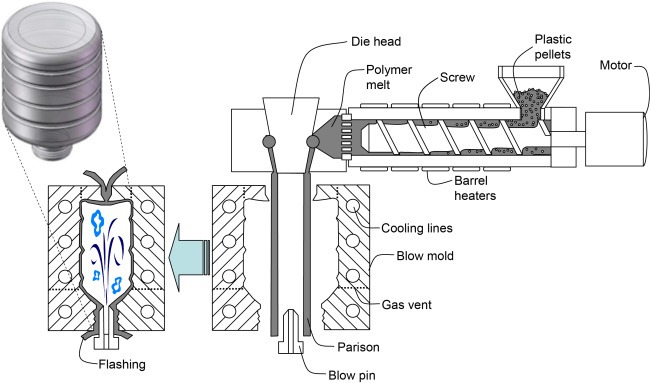
Blow moulding is a manufacturing process by which hollow plastic parts are formed. The main types include extrusion blow moulding, injection blow moulding, and stretch blow moulding. LCA provides a comprehensive perspective of blow moulded products from raw material extraction through to disposal or recycling.
Stages of Life Cycle Analysis for Blow Moulded Products
1. Raw Material Extraction and Processing
Materials Used: Typically, blow moulded products are made from thermoplastics such as High-Density Polyethylene (HDPE), Polyethylene Terephthalate (PET), Polypropylene (PP), or Polyvinyl Chloride (PVC).
Environmental Impact: Extraction of petroleum-based feedstock, energy-intensive polymerization, emissions during processing.
Key Indicators: Carbon footprint, water usage, energy demand, and land degradation.
2. Manufacturing (Blow Moulding Process)
Process Overview: Plastic is melted and formed into a parison (a tube-like piece), which is then clamped into a mould and inflated to form the desired shape.
Energy Use: Depends on the type of blow moulding. Extrusion and stretch blow moulding generally consume more energy than injection blow moulding.
Waste Generation: Trimming and defects lead to plastic waste, which can often be re-ground and reused.
3. Distribution and Transportation
Packaging: Often includes secondary and tertiary packaging.
Transportation Modes: Truck, rail, or ship, depending on destination.
Impact Factors: Weight and volume of products, distance traveled, fuel consumption, and emissions.
4. Use Phase
Durability and Functionality: Varies greatly by product type—e.g., single-use PET bottles vs. reusable containers.
Energy in Use: Minimal for containers, but more relevant for automotive blow moulded components (e.g., air ducts, fuel tanks).
Environmental Concerns: Microplastic shedding, leaching of chemicals (in some materials), improper disposal after use.
5. End-of-Life Management
Disposal Methods: Landfilling, incineration, mechanical recycling, or chemical recycling.
Recyclability: PET and HDPE are widely recyclable; PVC and some multilayered plastics are harder to recycle.
Circularity Potential: Depends on product design, material purity, and local recycling infrastructure.
Environmental Impacts by Life Cycle Stage
| Stage | Major Impacts |
|---|---|
| Raw Material | Resource depletion, greenhouse gas emissions |
| Manufacturing | Energy consumption, air emissions, waste |
| Distribution | Fuel usage, transportation emissions |
| Use | Potential leaching, durability concerns |
| End-of-Life | Plastic pollution, landfill space, recycling energy |