April 2025

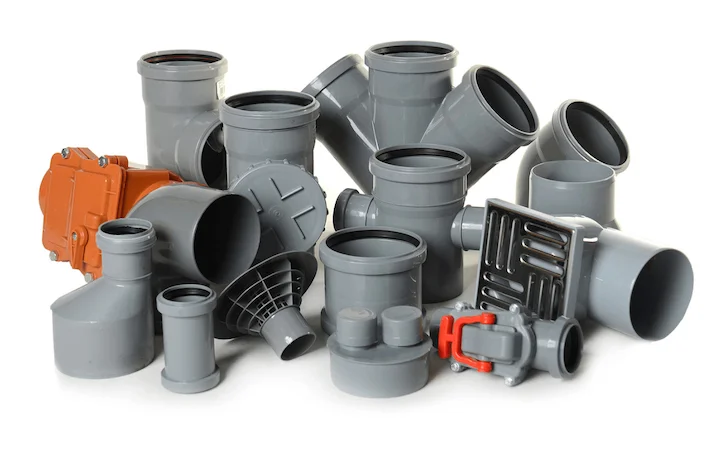
Selecting the Right PVC Grade for Your Molding Project

When working on a molding project, choosing the correct grade of PVC (Polyvinyl Chloride) is essential to ensure durability, performance, and cost-effectiveness. PVC is one of the most versatile thermoplastics, and it comes in various grades, each tailored for specific applications. Here’s a comprehensive guide to help you choose the right PVC grade for your […]

Selecting the Right PVC Grade for Your Molding Project Read More »
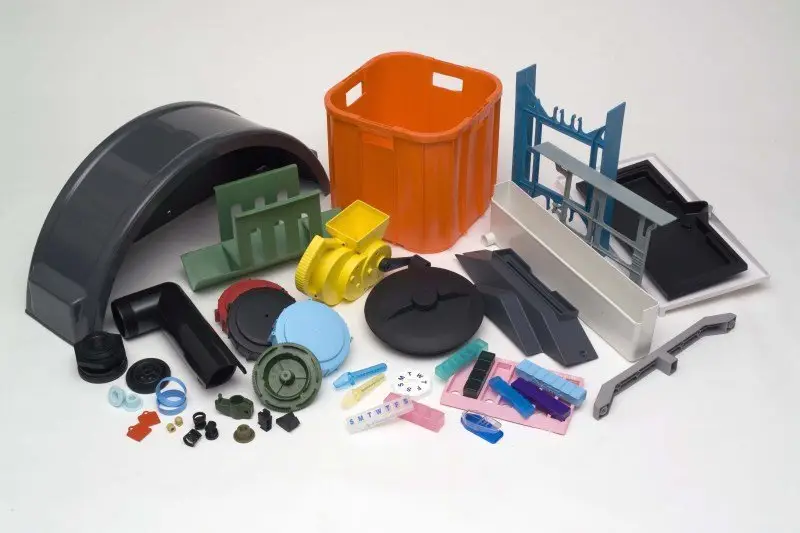
Choosing the Right Plastic Material for Injection Molding

Selecting the right plastic material is one of the most crucial steps in the injection molding process. The choice of material affects everything—from the strength and durability of the final product to its appearance, flexibility, and cost. Here’s a breakdown of the key considerations and popular plastic options to help you make an informed decision.

Choosing the Right Plastic Material for Injection Molding Read More »

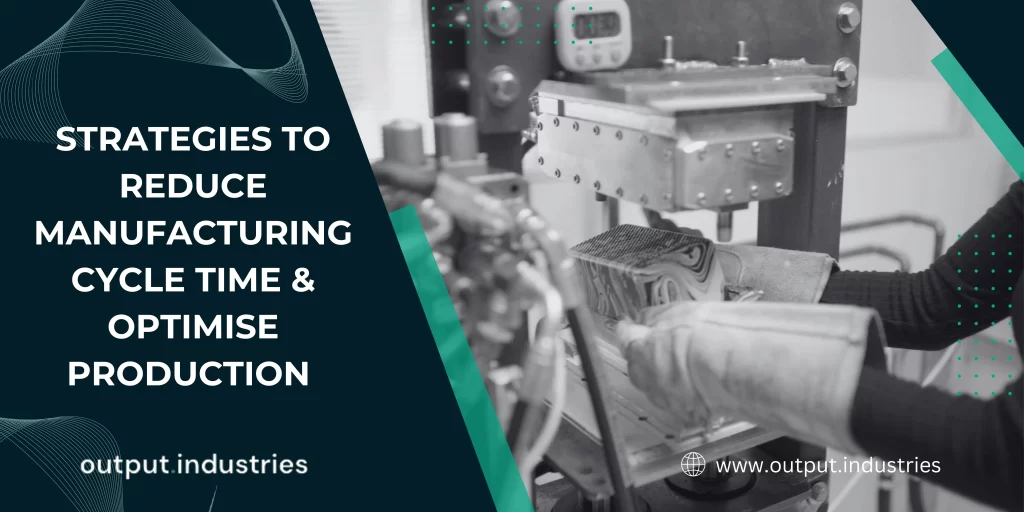
Optimizing Cycle Time for High-Volume Automotive Part Production

In the competitive world of automotive manufacturing, efficiency is everything. High-volume production environments must maintain rapid, consistent output without sacrificing quality. One of the most critical metrics in achieving this balance is cycle time — the total time required to complete one unit of a product, from start to finish. Why Cycle Time Matters Cycle

Optimizing Cycle Time for High-Volume Automotive Part Production Read More »

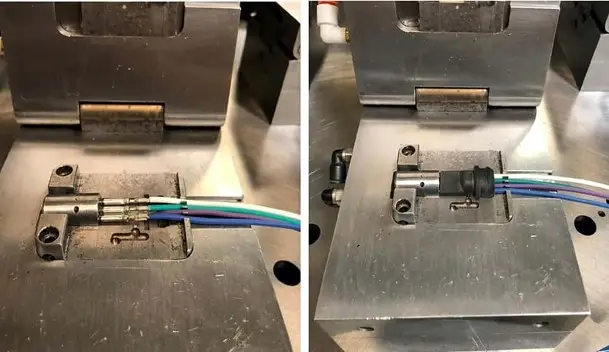
Two-Shot Injection Molding: Process and Applications

Two-shot injection molding—also known as dual-shot, multi-shot, or 2K injection molding—is an advanced manufacturing process where two different materials or colors are injected into a single mold in two separate stages to create a single, cohesive part. This process enables the production of complex, multi-material components with enhanced functionality and aesthetics, without the need for

Two-Shot Injection Molding: Process and Applications Read More »

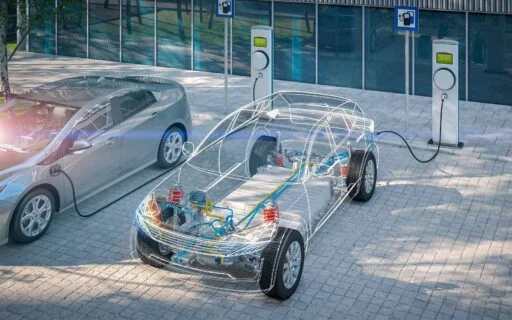
How Hybrid and Electric Cars Are Changing Mold Requirements

As the automotive industry shifts toward sustainability, hybrid and electric vehicles (HEVs and EVs) are rapidly reshaping not only how cars are powered but also how they’re manufactured. One area undergoing significant transformation is the design and use of molds—particularly in plastics, composites, and even die-cast metals. Molding, a key process in automotive manufacturing, is

How Hybrid and Electric Cars Are Changing Mold Requirements Read More »

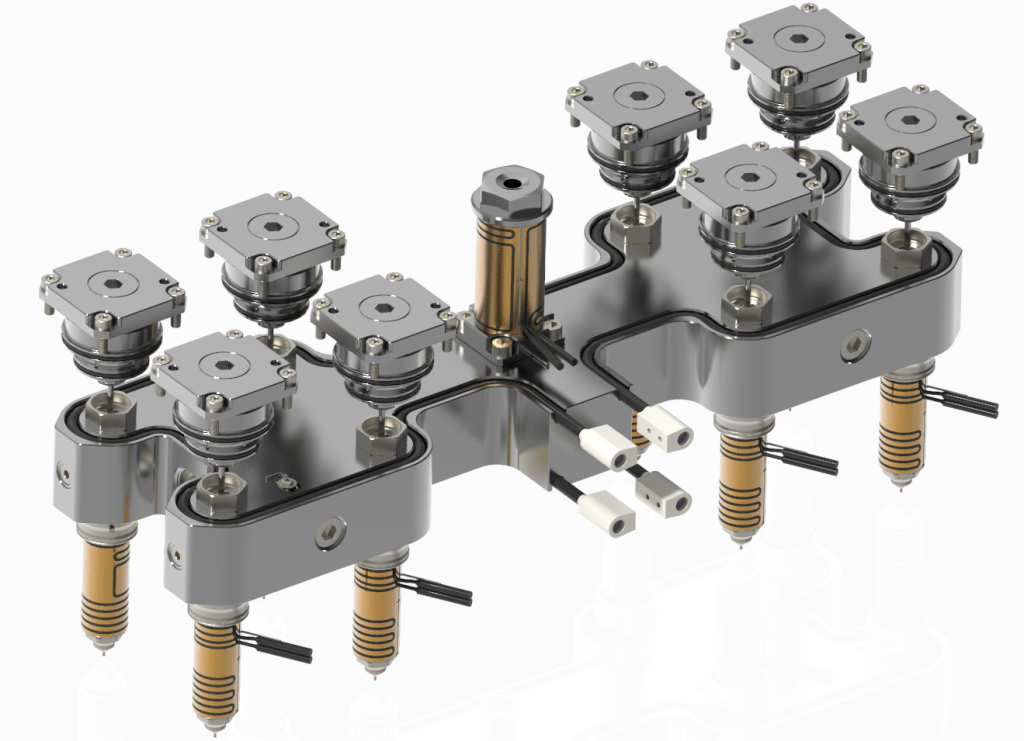
Hot Runner vs. Cold Runner Systems in PVC Molding

Injection molding of PVC (Polyvinyl Chloride) presents unique challenges due to the material’s thermal sensitivity. Choosing between a hot runner and a cold runner system can significantly impact the molding process, quality, and cost. Below is a comparison to help understand the differences and decide which system may be best suited for a given application.

Hot Runner vs. Cold Runner Systems in PVC Molding Read More »

Gas-Assisted Injection Molding: Benefits and Uses

Gas-assisted injection molding (GAIM) is an advanced plastic molding process that improves the manufacturing of large, complex, and hollow plastic parts. In this technique, an inert gas (usually nitrogen) is injected into the molten plastic within the mold. The gas pushes the molten plastic against the mold walls, creating a hollow channel inside the part.

Gas-Assisted Injection Molding: Benefits and Uses Read More »

Automation and Robotics in Automotive Injection Molding

Automation and robotics have revolutionized the automotive industry, particularly in the field of injection molding. Automotive injection molding, a process used to manufacture plastic components such as bumpers, dashboards, and interior trims, demands high precision, speed, and consistency. The integration of automation and robotics in this area has significantly enhanced productivity, reduced operational costs, and

Automation and Robotics in Automotive Injection Molding Read More »

Water and Gas-Assisted Molding for PVC Products

Water and gas-assisted molding technologies are innovative manufacturing methods primarily used to produce hollow or thick-walled plastic parts with improved efficiency and quality. When applied to PVC (Polyvinyl Chloride), these processes offer several benefits in terms of product performance, cost savings, and design flexibility. However, working with PVC in these methods poses unique challenges due

Water and Gas-Assisted Molding for PVC Products Read More »

Scroll to Top