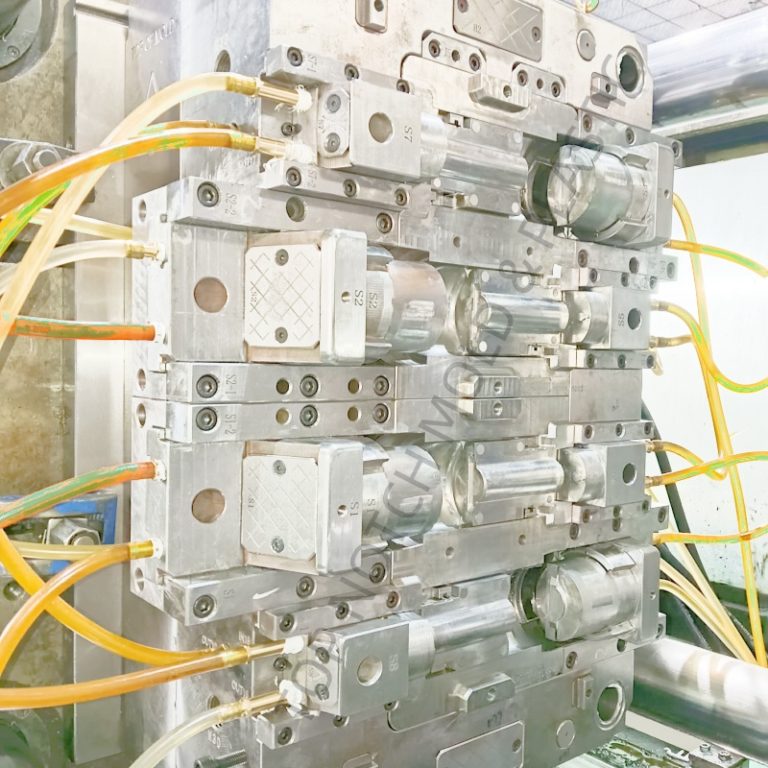
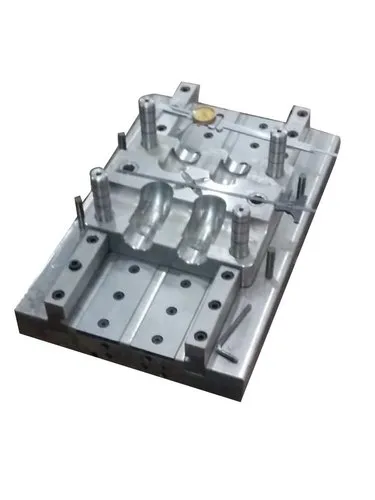
As smart home technologies continue to evolve, the demand for durable, cost-effective, and aesthetically appealing components is growing rapidly. One material that stands out for its versatility and performance is Polyvinyl Chloride (PVC). Through precision molding techniques, PVC is now widely used in the manufacturing of various smart home products – from sensor housings to cable management systems.
Why PVC for Smart Home Applications?
PVC offers a unique blend of properties that make it ideal for smart home devices:
Durability: PVC is resistant to moisture, chemicals, and UV radiation, making it suitable for both indoor and outdoor smart devices.
Electrical Insulation: It provides excellent electrical insulation, a critical factor in devices with integrated electronics.
Customizability: PVC can be easily molded into complex shapes, allowing for creative and functional product designs.
Cost-Effectiveness: Compared to other engineering plastics, PVC offers a lower manufacturing cost while maintaining quality.
Applications of PVC Molding in Smart Home Devices
Sensor Housings
Smart thermostats, motion detectors, and smoke alarms often use molded PVC enclosures that protect sensitive electronics while ensuring design flexibility.
Smart Lighting Fixtures
Molded PVC components are used in the construction of LED housing, light diffusers, and mounting brackets for smart lighting systems.
Switch Panels & Casings
PVC molded switch covers and wall panels provide a sleek finish and are available in various textures and colors to match home decor.
Cable Management Systems
Smart home installations require efficient cable routing. PVC molding enables the creation of conduits, trunking, and flexible cable channels.
Voice Assistant and Hub Casings
Smart speakers and central hubs often feature PVC-molded exteriors that are durable and acoustically neutral.
Advantages of Using PVC Molding for Smart Home Products
Design Flexibility: Intricate patterns, snap-fit designs, and aesthetic finishes are all achievable with injection molding processes.
Scalability: Once a mold is created, mass production becomes highly efficient and consistent.
Environmental Resistance: PVC’s inherent resistance to fire, water, and pests makes it ideal for long-term installations.
Ease of Integration: Components made from molded PVC can seamlessly integrate with other materials like glass, aluminum, or electronics.
Manufacturing Techniques
Injection Molding: The most common method, perfect for high-volume production of complex shapes.
Extrusion: Used for making uniform profiles like cable ducts and corner trims.
Blow Molding: Applied in hollow components such as enclosures or cases.
Sustainability Considerations
Modern PVC manufacturing increasingly incorporates recycled content and uses lead-free stabilizers, reducing the environmental impact. As smart homes strive to be more eco-conscious, sustainable PVC formulations play a key role.
Conclusion
PVC molding offers an efficient, durable, and visually appealing solution for the ever-growing smart home market. Its adaptability to various designs and functions makes it a top choice for manufacturers aiming to blend technology with modern living aesthetics. Whether it’s a sleek thermostat casing or a robust outdoor sensor housing, PVC molded components are helping shape the future of smart living.