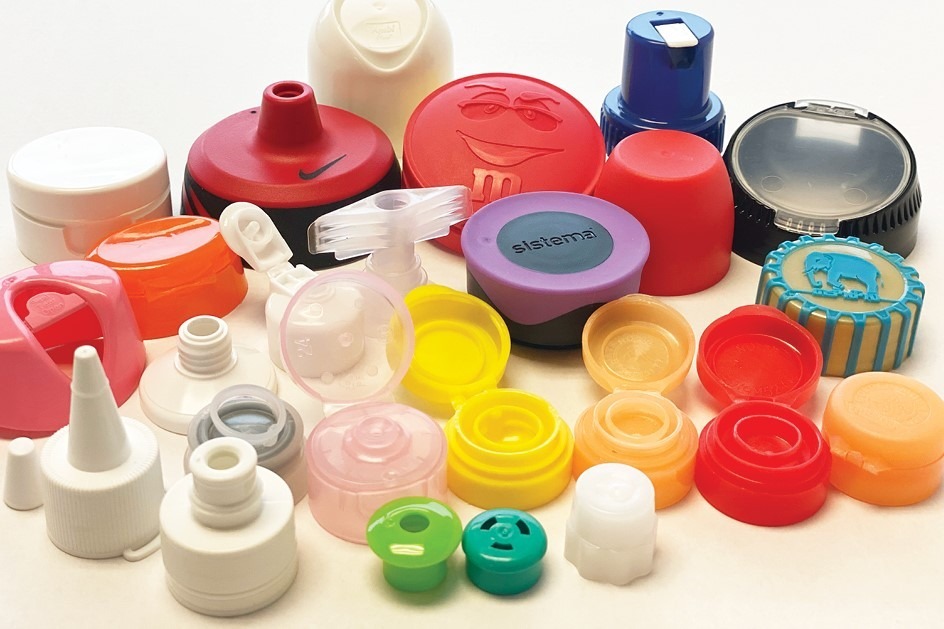
Caps and closures are an integral part of modern packaging, serving the essential functions of sealing, protecting, and preserving product integrity. Over the centuries, as packaging evolved from simple containment to sophisticated product preservation and branding tools, so too have caps and closures undergone significant transformation. This evolution mirrors advances in materials, manufacturing technologies, consumer needs, and sustainability concerns.
1. Ancient Beginnings
In ancient civilizations, packaging was primarily utilitarian. Containers were made of clay, wood, or glass, and closures were basic—often improvised using natural materials such as:
Wooden stoppers
Corks
Fabric and wax seals
These early closures were not reusable or resealable, and their primary function was to cover or protect contents temporarily.
2. The Rise of Cork Stoppers (17th–19th Century)
The use of natural cork became prevalent with the growth of the wine industry, particularly in Europe.
Cork: Derived from the bark of cork oak trees, it offered an airtight yet removable seal ideal for wine bottles.
Cork closures were typically secured with wax or wire cages for added sealing.
This period marked the first large-scale use of a closure material designed for long-term storage.
3. Glass Stoppers and Metal Closures (19th Century)
With the advent of glass manufacturing:
Glass stoppers became popular, especially in perfumes and apothecary bottles.
Metal closures emerged as an innovation for resealable packaging.
Key Invention:
1856: Henry William Putnam patented a closure for canning jars—the lightning closure—an early version of a flip-top lid.
1892: William Painter invented the crown cork, revolutionizing beverage packaging with a crimped metal cap lined with a cork disc. This was the first mass-produced closure for carbonated drinks.
4. Plastic Revolution (Mid-20th Century Onward)
The introduction of plastics transformed the packaging industry:
1950s–1970s: Polyethylene and polypropylene enabled mass production of lightweight, cost-effective, and flexible closures.
Screw caps, snap-on lids, and flip-tops became common.
Plastics offered better sealing, tamper resistance, and customization options.
Notable Innovations:
Child-resistant closures (CRCs): Developed in the 1970s to reduce accidental poisonings.
Tamper-evident bands: Became standard in the 1980s following product safety concerns.
5. Modern Closures and Smart Packaging (21st Century)
Today’s closures combine functionality, convenience, branding, and sustainability:
Ergonomic designs for ease of use (e.g., one-handed opening)
Dispensing closures (e.g., pumps, sprayers, droppers)
Smart closures with QR codes or RFID for product tracking and authentication
Sustainable materials such as bioplastics, recyclable mono-materials, and reusable systems
Technological advancements have also enabled precision molding and custom embossing, aligning closures with brand identity and enhancing consumer engagement.
6. Sustainability and the Future
Environmental concerns are shaping the next wave of closure innovations:
Lightweighting to reduce material usage
Recyclability: Mono-material closures that can be easily separated from bottles
Compostable and biodegradable materials
Refillable systems and returnable packaging models
Brands and manufacturers are increasingly focused on designing closures that balance performance with environmental responsibility.
Conclusion
The evolution of caps and closures is a testament to how a seemingly simple component can drive innovation across industries. From rudimentary corks and wax to smart, sustainable, and user-friendly designs, closures have adapted to meet the changing needs of consumers and the demands of the global packaging ecosystem. As we move forward, the future of closures lies in intelligent design—one that seamlessly integrates convenience, safety, branding, and environmental consciousness.