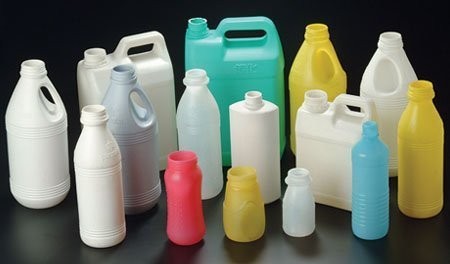
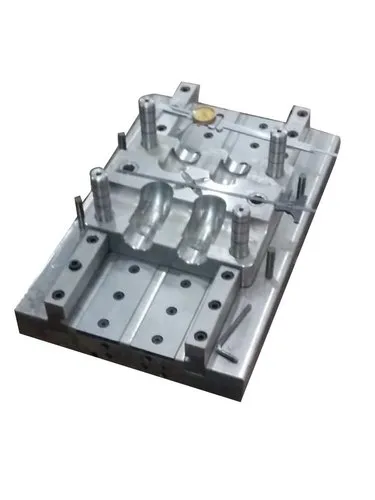
Blow moulding is a plastic forming process used to manufacture hollow plastic parts such as bottles, containers, and tanks. This process relies on thermoplastics—plastics that become moldable when heated and solidify upon cooling. The selection of thermoplastics for blow moulding depends on factors like strength, flexibility, chemical resistance, transparency, and cost.
1. High-Density Polyethylene (HDPE)
Properties:
High strength-to-density ratio
Excellent impact resistance
Good chemical resistance
Applications:
Milk jugs
Detergent bottles
Industrial containers
Advantages:
Economical
Recyclable
Lightweight
2. Low-Density Polyethylene (LDPE)
Properties:
Flexible and soft
Good impact resistance
Lower tensile strength than HDPE
Applications:
Squeeze bottles
Packaging films
Cosmetic containers
Advantages:
Easy to process
Good clarity and chemical resistance
3. Polyethylene Terephthalate (PET)
Properties:
High clarity and gloss
Excellent strength and gas barrier properties
Lightweight
Applications:
Carbonated beverage bottles
Food packaging
Pharmaceutical containers
Advantages:
Recyclable
Good moisture and oxygen barrier
4. Polypropylene (PP)
Properties:
High melting point
Good fatigue resistance (hinge property)
Resistant to many chemicals
Applications:
Automotive components
Food containers
Medical bottles
Advantages:
Low density
Excellent thermal resistance
5. Polyvinyl Chloride (PVC)
Properties:
Rigid or flexible depending on plasticizer content
Excellent clarity (rigid PVC)
Good chemical and weather resistance
Applications:
Personal care bottles
Household product packaging
Oil containers
Advantages:
Versatile
Flame retardant (self-extinguishing)
6. Polycarbonate (PC)
Properties:
High impact resistance
Good dimensional stability
Transparent
Applications:
Water bottles
Safety equipment
Medical containers
Advantages:
Durable
Heat-resistant
Material Selection Considerations
When choosing a thermoplastic for blow moulding, factors to consider include:
Mechanical properties: strength, impact resistance
Barrier properties: resistance to gas, moisture, and chemicals
Thermal properties: heat resistance
Cost and availability
Environmental impact: recyclability and regulatory compliance
Conclusion
Blow moulding utilizes a wide range of thermoplastics, each suited to different applications based on their unique material properties. HDPE and PET are among the most widely used due to their balance of cost, performance, and recyclability, while specialty applications may call for materials like PC or PVC.