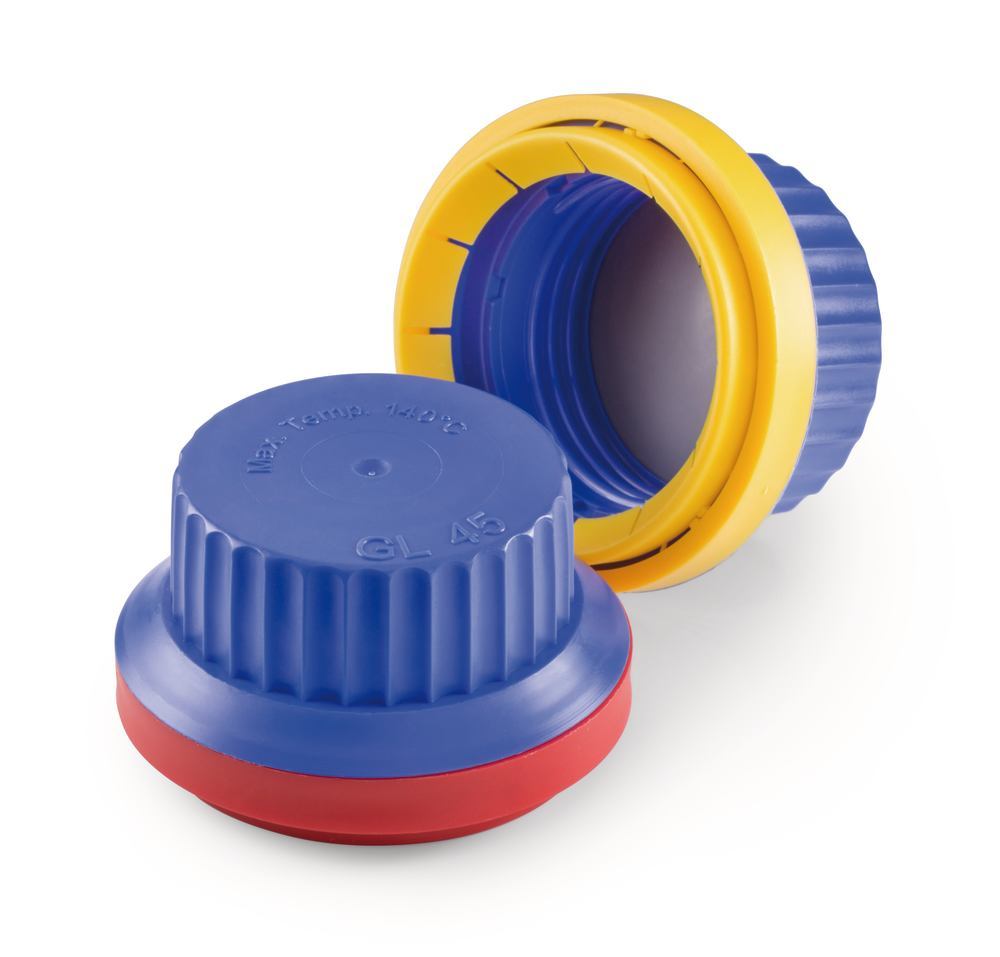
Tamper-evident closures are an essential part of packaging design across various industries, including food and beverage, pharmaceuticals, cosmetics, and chemicals. Their primary purpose is to provide visible or measurable evidence that a product has been opened or altered, thereby enhancing consumer safety, product integrity, and brand trust.
1. Importance of Tamper-Evident Closures
Tamper-evident packaging serves multiple key functions:
Consumer Protection: Prevents the risk of contamination, adulteration, or misuse.
Regulatory Compliance: Many industries are required by law to use tamper-evident solutions (e.g., FDA regulations for OTC drugs in the U.S.).
Brand Integrity: Reinforces customer confidence in the product’s safety and authenticity.
Deterrence: Discourages malicious tampering by making unauthorized access visible.
2. Types of Tamper-Evident Closures
Tamper-evident closures are designed in various forms depending on the packaging type and the product’s sensitivity. Some common types include:
2.1. Breakable Cap Seals
These are commonly used in bottled beverages and pharmaceuticals.
Description: Caps with breakable rings or bands that separate when the cap is twisted open.
Example: Screw caps with a breakable plastic ring.
2.2. Induction Heat Seals
Used for plastic and glass containers, especially in food and pharmaceutical industries.
Description: A foil seal is bonded to the container’s opening using induction heating. Removing the cap reveals whether the seal is intact or broken.
Benefits: Airtight and tamper-evident; often used for powders, liquids, and creams.
2.3. Shrink Bands and Sleeves
Clear or printed shrink bands wrapped around the neck of containers.
Description: Heat-shrunk plastic films covering the closure and neck area.
Advantages: Provides visual evidence of tampering and adds branding opportunities.
2.4. Tear-Away Tabs or Strips
Found in carton packaging or containers with foil tops.
Description: Tabs that must be torn or peeled away to access the product.
Use Cases: Common in single-use items or blister packs.
2.5. Breakable Inner Seals and Liners
Often used in jars and tubs for spreads, creams, and powders.
Description: Foil or paper liners under the main lid that must be punctured or peeled away.
Features: Indicates if the product has been previously opened.
2.6. Frangible Closures
Closures with weak points that break when first opened.
Description: Designed to crack or snap during initial opening.
Use Case: Often found in pharmaceutical ampoules or vials.
3. Technologies Behind Tamper-Evident Closures
Innovative materials and manufacturing techniques enhance the reliability and functionality of tamper-evident systems.
3.1. Induction Sealing Technology
Uses electromagnetic induction to generate heat and bond foil seals.
Offers hermetic sealing and a high level of tamper resistance.
3.2. Ultrasonic Welding
Joins plastic components using high-frequency vibrations.
Ensures consistent seal quality and tamper visibility.
3.3. Heat Shrink Labeling
Films shrink tightly around closures with heat application.
Enables both tamper protection and decorative packaging.
3.4. Laser Scoring and Perforation
Creates precision tear paths for breakable seals and strips.
Used for easy opening and clear tamper evidence.
3.5. Smart Tamper-Evident Technologies
RFID/NFC Tags: Embedded chips that signal if packaging has been opened.
QR Code Integration: Codes change or deactivate once the package is opened, providing digital proof of tampering.
4. Industry Applications
| Industry | Common Closure Types |
|---|---|
| Food & Beverage | Screw caps, shrink bands, induction seals |
| Pharmaceuticals | Breakable caps, blister packs, induction heat seals |
| Cosmetics | Inner seals, breakable closures, shrink sleeves |
| Chemicals/Industrial | Frangible closures, tamper tabs, foil seals |