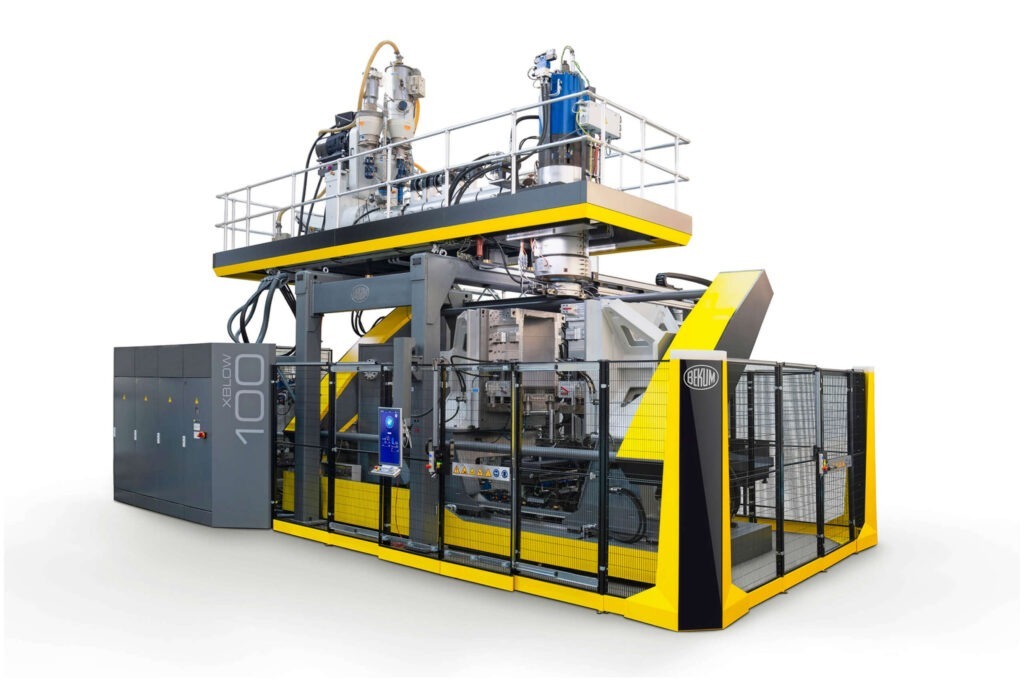
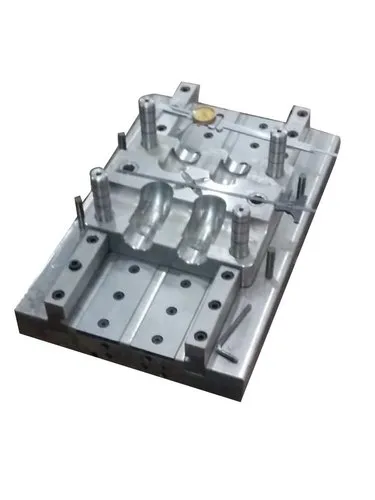
Blow moulding has long been a cornerstone in the manufacturing of hollow plastic products such as bottles, containers, and automotive components. Over the past decade, the industry has experienced transformative innovations in machinery that enhance efficiency, sustainability, and product quality. Below are some of the key advancements reshaping the blow moulding landscape.
1. Integration of Industry 4.0 and Smart Technology
One of the most significant shifts in blow moulding machinery is the integration of smart manufacturing technologies, often termed as Industry 4.0. This includes:
IoT-enabled machines: Real-time monitoring of machine performance, predictive maintenance, and remote diagnostics reduce downtime and increase overall equipment effectiveness (OEE).
Data analytics: Improved process optimization through machine learning algorithms that analyze historical production data.
Automated quality control: Cameras and sensors ensure defects are detected early, reducing waste.
2. Energy-Efficient Systems
With rising energy costs and sustainability demands, energy-efficient blow moulding machines have become critical. Innovations include:
All-electric and hybrid machines: These reduce energy consumption compared to traditional hydraulic systems and provide better control over the moulding process.
Variable Frequency Drives (VFDs): Enable energy savings by adjusting motor speed according to load requirements.
Energy recovery systems: Capture and reuse energy from one part of the cycle to power another.
3. Advanced Extrusion and Parison Control
Precision in the formation of the parison (the tubular plastic form) is vital for product consistency. Recent innovations offer:
3D parison programming: Allows for wall thickness variations tailored to specific product requirements.
Closed-loop control systems: Automatically adjust process parameters to maintain consistency.
Servo-driven extrusion systems: Improve accuracy, reduce waste, and increase repeatability.
4. Multi-Layer and Multi-Component Moulding
To meet the evolving needs of industries like food packaging and automotive, manufacturers are increasingly turning to:
Co-extrusion technology: Allows production of multi-layer containers with enhanced barrier properties.
Multi-material moulding: Combines different polymers for improved functionality, such as strength, flexibility, and chemical resistance.
5. Quick Mold Change (QMC) and Flexibility
Modern blow moulding machines are now equipped with features that support rapid transitions between product types, including:
Modular machine designs: Allow for quick setup and changeover.
Automatic mould change systems: Reduce downtime and improve productivity, especially in short-run or custom applications.
6. Sustainability and Circular Economy Support
Blow moulding machinery innovations are also addressing environmental concerns:
Post-consumer resin (PCR) compatibility: Machines designed to handle recycled materials without compromising product quality.
Material optimization tools: Minimize waste by improving processing precision and reducing excess material use.
Biodegradable and bio-based plastic processing: Support for new, eco-friendly materials.
7. Enhanced Safety and Ergonomics
Modern machines now feature better operator interfaces and safer operating conditions:
Touchscreen HMIs with intuitive controls
Improved guarding and safety interlocks
Ergonomic machine design for easier maintenance and access
Conclusion
The future of blow moulding is being shaped by a synergy of digital innovation, sustainability goals, and demands for customization. As manufacturers strive to remain competitive, adopting the latest blow moulding machinery innovations is no longer a luxury—it’s a necessity. These advancements not only improve efficiency and product quality but also ensure compliance with environmental standards and market expectations.