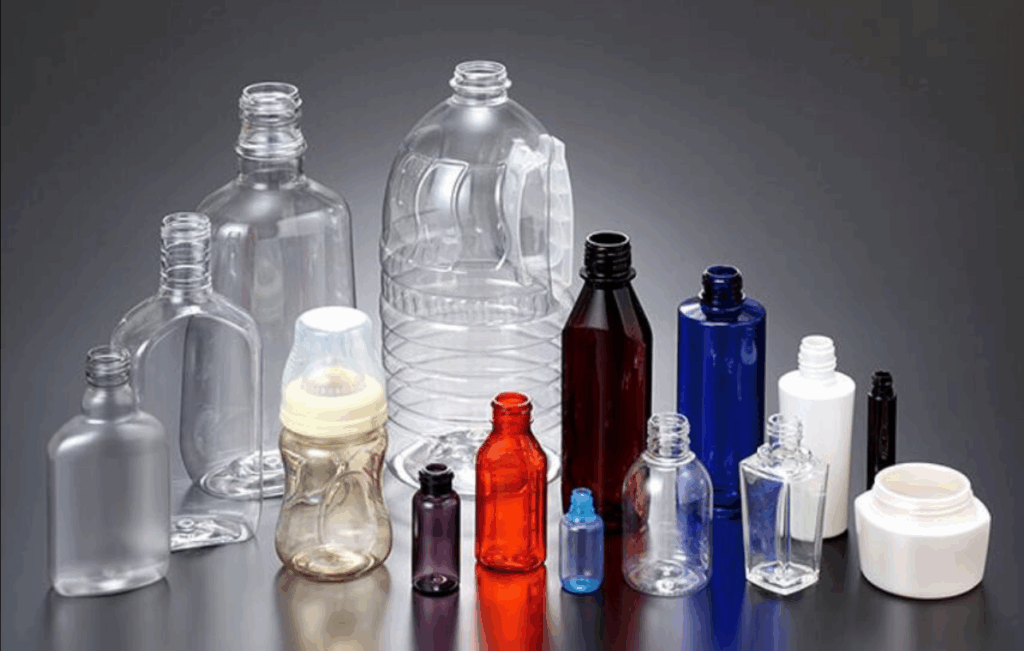
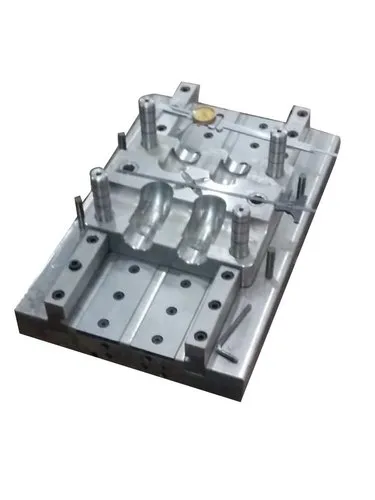
The production of foundation bottles — essential containers for liquid and cream-based cosmetic foundations — requires precision, aesthetic appeal, and functional durability. Moulding techniques play a crucial role in achieving these qualities. Below are the most commonly used moulding methods for manufacturing foundation bottles:
1. Injection Moulding
Overview:
Injection moulding is a widely used technique where melted plastic is injected into a pre-designed mould. Once the material cools and solidifies, it takes the shape of the mould.
Advantages:
High precision and uniformity
Suitable for mass production
Allows for complex designs and smooth finishes
Compatible with various plastics (e.g., PET, PP, SAN)
Common Applications:
Caps, dispensers, and intricate parts of the bottle
Bottles with thicker or reinforced walls
2. Blow Moulding
Blow moulding is ideal for hollow plastic products like foundation bottles. There are three main types of blow moulding used in cosmetics packaging:
a. Extrusion Blow Moulding (EBM)
In this method, a tube of melted plastic (parison) is extruded and then enclosed in a mould where air is blown into it to form the bottle shape.
Benefits:
Good for low- to medium-volume production
Suitable for simple bottle shapes
Cost-effective tooling
b. Injection Blow Moulding (IBM)
This hybrid process first uses injection moulding to create a preform, which is then heated and blown into the final shape.
Benefits:
High precision and excellent surface finish
Ideal for small bottles (common in cosmetics)
Less material waste
c. Stretch Blow Moulding (SBM)
Primarily used for PET bottles, this process stretches the preform vertically and radially before blowing.
Benefits:
Enhances bottle clarity and strength
Commonly used for premium, clear foundation bottles
Lightweight with improved impact resistance
3. Compression Moulding
Less common but occasionally used for caps or components of compact foundation containers. In this process, a measured amount of material is placed into a heated mould cavity and compressed to form the shape.
Advantages:
Minimal waste
Good for high-strength parts
Suitable for thick-walled closures
4. Co-injection Moulding (Two-layer or Multi-layer Bottles)
For foundation products requiring barrier protection (e.g., airless pump bottles), co-injection moulding can create multi-layer containers, combining materials for improved functionality.
Benefits:
Enhances shelf life by preventing oxygen ingress
Enables incorporation of recycled materials
Can offer a premium appearance with inner/outer layer contrast
Conclusion
Selecting the appropriate moulding technique depends on various factors such as bottle design, material, production volume, and desired finish. For most foundation bottles, injection blow moulding and stretch blow moulding offer the best combination of precision, clarity, and functionality, especially when paired with sustainable practices and modern material innovations.