In the injection moulding industry, especially when producing cosmetic or aesthetic parts, surface quality is of utmost importance. Even the smallest imperfection can result in product rejection. One often overlooked yet critical factor in ensuring high-quality cosmetic parts is proper venting of the mould.
What Is Venting?
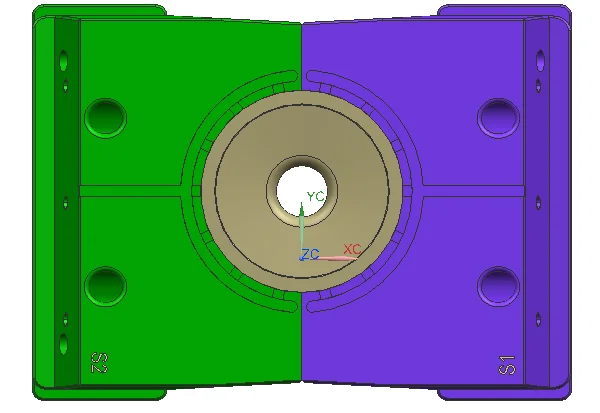
Venting refers to the practice of creating small channels or gaps in the mould cavity to allow trapped air and gases to escape during the injection process. These vents are typically very narrow (0.01 to 0.05 mm deep) and strategically placed in areas where air entrapment is likely.
Why Is Venting Important in Cosmetic Moulds?
Elimination of Burn Marks and Air Traps
When air or gases are trapped inside the mould during injection, they compress and heat up due to the high injection pressure. This can cause burn marks, discoloration, or splay, all of which are unacceptable in visible, cosmetic parts.Improved Surface Finish
Proper venting allows the plastic to fill the mould cavity smoothly and completely, ensuring a uniform surface without blemishes, weld lines, or short shots. This is crucial for parts that will be painted, plated, or used as-is in consumer-facing applications.Reduction in Part Defects and Scrap Rates
Poor venting often results in voids, flow hesitation, or incomplete filling, all of which contribute to higher scrap rates. Optimized venting reduces the chance of such defects, improving overall process efficiency and product quality.Lower Injection Pressure and Clamp Force
With adequate venting, the material can flow more easily, reducing the need for excessively high injection pressures and clamp force. This not only extends the life of the mould but also minimizes warpage or sink marks on delicate cosmetic parts.Supports Consistent Cycle Times
Trapped gases can cause erratic cooling behavior or uneven filling, leading to longer and inconsistent cycle times. Proper venting ensures repeatable part quality and process stability—essential in high-volume production.
Common Venting Locations in Cosmetic Moulds
End of flow paths
Thin wall sections
Near bosses or ribs
Along parting lines
Weld line locations
Best Practices for Venting in Cosmetic Applications
Regular Maintenance: Vents can clog with resin build-up. Regular cleaning is necessary to maintain vent effectiveness.
Micro-Venting Techniques: For high-gloss or polished surfaces, micro vents can be used that do not affect aesthetics.
Proper Vent Depth: Over-venting can cause flash, while under-venting can lead to defects. Depth and width should match the material’s flow properties.
Vacuum Venting or Ejection-Assisted Venting: Advanced moulds may use vacuum systems or venting via ejector pins for critical parts.
Conclusion
In cosmetic moulding, where visual appearance is paramount, venting is not just a design afterthought—it is a vital component of mould design and processing strategy. Investing in proper venting can significantly enhance product quality, reduce costs, and ensure customer satisfaction.