1. Introduction
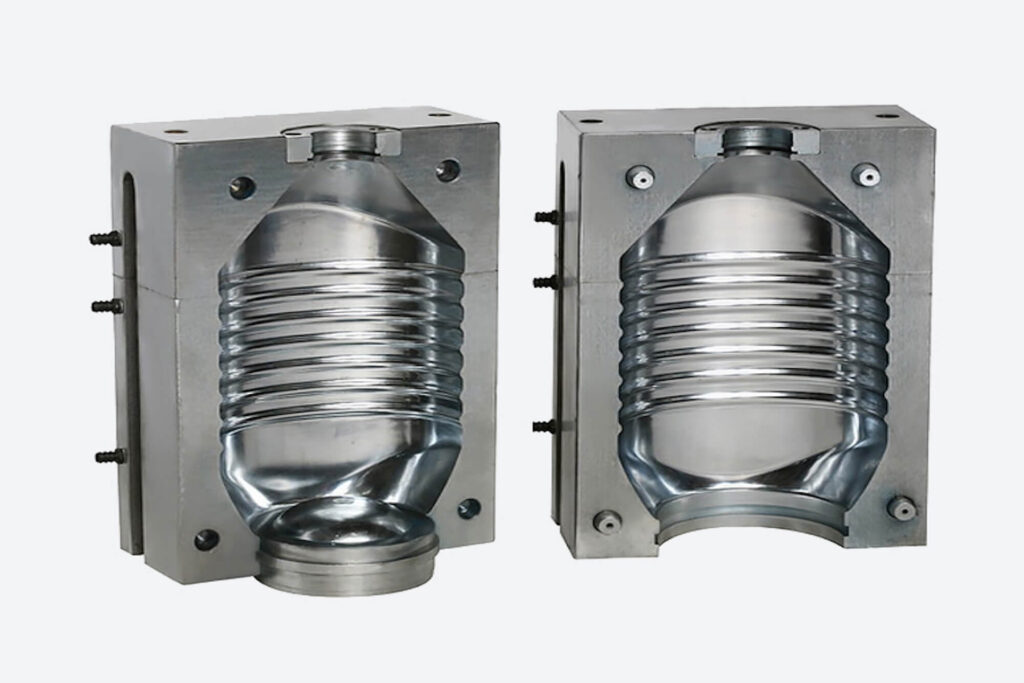
Blow moulding is a widely used plastic manufacturing process that forms hollow parts such as bottles, containers, and tanks. While it offers design flexibility and cost-effective production for high volumes, achieving precise dimensional accuracy can be challenging due to the nature of the process. Understanding tolerances and controlling variation are crucial to ensure product quality and functionality.
2. Importance of Dimensional Accuracy
Dimensional accuracy refers to how closely a blow-moulded product conforms to its intended dimensions. Accurate parts:
Ensure proper fit with other components
Meet functional and aesthetic requirements
Minimize material waste and rework
Comply with regulatory standards and quality control
3. Common Tolerances in Blow Moulding
Tolerances are permissible variations in a part’s dimensions. They are often specified as a ± value (e.g., ±0.5 mm).
Typical tolerances for blow moulded parts include:
| Feature | Typical Tolerance Range |
|---|---|
| Wall Thickness | ±10% to ±20% of nominal value |
| Height | ±0.5 mm to ±1.0 mm |
| Diameter (Neck, Body) | ±0.3 mm to ±0.8 mm |
| Flatness (Sealing Surface) | ±0.2 mm to ±0.5 mm |
| Parting Line Shift | ±0.25 mm |