Introduction
Counterfeiting is a global challenge affecting industries ranging from pharmaceuticals and beverages to cosmetics and consumer goods. Packaging, particularly closures (caps, lids, seals), plays a critical role in the fight against counterfeit products. Closures are often the first line of defense, providing opportunities to integrate overt, covert, and digital security features that safeguard brand integrity and consumer trust.
Types of Anti-Counterfeiting Solutions in Closures
1. Tamper-Evident Features
These features provide visible signs if a product has been opened or altered.
Breakable Seals or Bands: Plastic bands or rings that separate when the cap is twisted.
Flip-top Indicators: A one-time-use design where the lid changes state after first use.
Destructible Closures: Closures designed to break or deform if opened, preventing reuse.
2. Overt Security Features (Visible)
These are visible to consumers and serve as immediate indicators of authenticity.
Holographic Foils or Labels: Embedded into or printed on closures for easy visual verification.
Color-Shifting Inks: Inks that change color when viewed from different angles.
Laser Engraving or Etching: Permanent markings that are difficult to replicate.
3. Covert Security Features (Hidden)
These require special tools or knowledge to detect, adding an extra layer of security.
UV Fluorescent Inks: Inks visible only under UV light, printed inside or under closures.
Microtext or Nano Text: Extremely small text only visible under magnification.
Embedded Taggants: Chemical or physical markers detectable only through forensic analysis.
4. Digital Authentication Solutions
Used in smart packaging to track, trace, and authenticate products through digital means.
QR Codes and Serial Numbers: Unique codes on closures that can be scanned to verify authenticity.
NFC (Near Field Communication) Chips: Embedded in caps and scannable via smartphones.
Blockchain Integration: Secure tracking of product lifecycle and supply chain integrity.
Materials and Design Innovations
Advancements in closure manufacturing have led to the integration of anti-counterfeiting technologies during the production process itself:
Multi-Material Closures: Using a combination of plastics or metals to add complexity for counterfeiters.
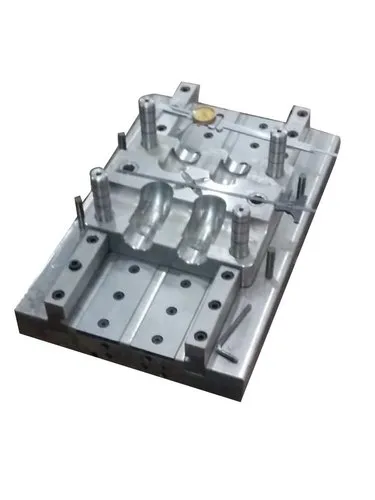
Custom Molds: Proprietary cap designs that are hard to replicate without original tooling.
Digital Watermarking: Invisible patterns embedded in closures for digital recognition.
Industry Applications
Pharmaceuticals: Child-resistant and tamper-proof caps ensure safety and regulatory compliance.
Beverages (Alcohol/Spirits): Secure closures prevent refilling and counterfeit product distribution.
Cosmetics and Personal Care: Protect premium brand identity and prevent health risks due to fake products.
Benefits of Anti-Counterfeiting Closures
Protects consumers from harmful counterfeit goods.
Maintains brand reputation and consumer trust.
Complies with global regulatory standards.
Facilitates supply chain transparency and product tracking.
Conclusion
Anti-counterfeiting solutions in closures are vital in today’s interconnected, high-risk global marketplace. By combining physical and digital technologies, companies can enhance packaging security, discourage tampering, and ensure product authenticity — ultimately safeguarding consumers and brand value.