Introduction
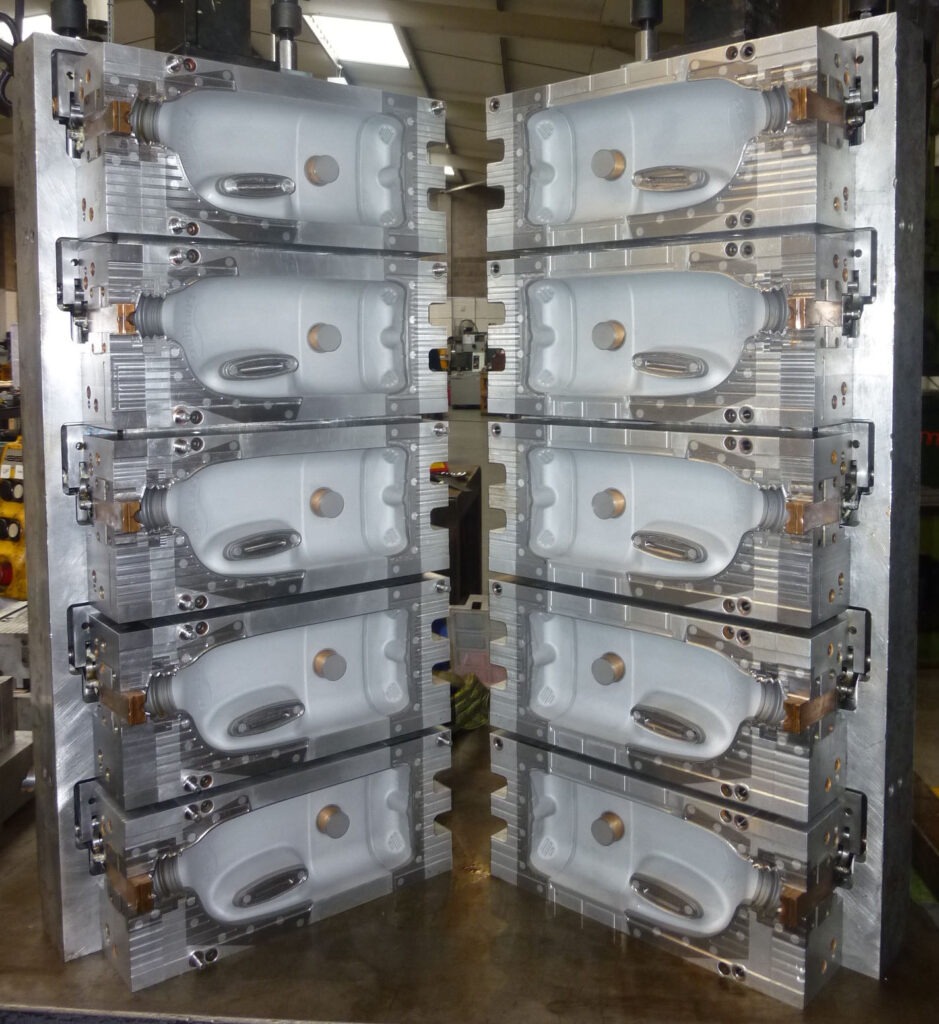
Blow mould tooling is a critical component in the plastic manufacturing process, particularly for producing hollow plastic products such as bottles, containers, and tanks. Ensuring long tooling life and proper maintenance is essential to maintain product quality, reduce downtime, and optimize production costs.
1. Tooling Life of Blow Moulds
a. Definition
Tooling life refers to the total number of cycles (or parts produced) a blow mould tool can perform before it requires replacement or major refurbishment.
b. Factors Influencing Tool Life
Material of Construction: Common materials include aluminum, beryllium-copper, and hardened steel. Steel moulds have the longest lifespan but may cost more.
Product Type: High-output consumer packaging tools wear out faster than tools used for lower-volume industrial containers.
Processing Parameters: Excessive blow pressure, improper temperature settings, and high clamp force can reduce tool life.
Tool Design: A well-designed mould with uniform wall thickness, proper venting, and cooling systems lasts longer.
Mould Surface Treatment: Coatings like nickel plating or chrome enhance wear resistance and reduce corrosion.
c. Average Tool Life Expectancy
Aluminum Moulds: ~100,000 to 500,000 cycles
Steel Moulds: ~500,000 to over 1 million cycles
High-Performance Tools: Can exceed 3 million cycles with optimal maintenance and conditions
2. Maintenance of Blow Mould Tooling
a. Types of Maintenance
Preventive Maintenance (PM): Scheduled and routine inspections to prevent unexpected failures.
Corrective Maintenance: Repairs performed after the tool has failed or shown signs of wear.
Predictive Maintenance: Using data (e.g., cycle counts, sensor readings) to predict when maintenance should occur.
b. Key Maintenance Practices
Regular Cleaning
Remove plastic residues and build-up from cavities, vents, and parting lines.
Clean air and water cooling channels to ensure efficient heat transfer.
Inspection
Visual and dimensional checks for wear, cracks, or damage.
Check vent holes and inserts for blockage or corrosion.
Lubrication
Lubricate moving parts such as slides and pins with high-temperature grease.
Polishing and Surface Treatment
Re-polish or re-coat mould cavities as needed to maintain surface finish and release properties.
Storage
Store moulds in dry, temperature-controlled environments with protective coatings to prevent rust and corrosion.
c. Common Wear Points
Parting lines
Neck rings and pinch-off areas
Venting holes
Cooling lines
3. Best Practices to Prolong Tooling Life
Use proper mould alignment systems to avoid damage.
Avoid over-clamping or excessive cycle speeds.
Optimize mould cooling and temperature control.
Train operators in mould handling and start-up procedures.
Maintain detailed maintenance logs for each tool.
4. Signs of Tool Wear or Damage
Flashing on moulded parts
Inconsistent wall thickness
Difficulty in demoulding
Visible scoring or erosion in mould cavity
Increased cycle time due to poor cooling
Conclusion
Maximizing the life of blow mould tooling requires a combination of robust design, quality materials, and rigorous maintenance practices. Investing in preventive care not only extends tool life but also improves production efficiency and product quality, resulting in significant long-term cost savings.