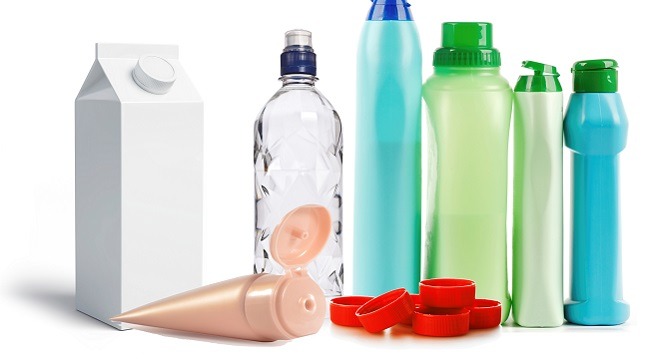
In the evolving landscape of sustainability, the circular economy offers a compelling alternative to the traditional linear “take-make-dispose” model. At the heart of this transformation are even the smallest components of packaging—caps and closures. Although often overlooked, these components play a vital role in product integrity, recyclability, and resource efficiency.
1. Introduction to Caps and Closures
Caps and closures are essential for preserving the quality, safety, and usability of products across sectors such as food and beverages, pharmaceuticals, cosmetics, and household chemicals. They are typically made from plastics like polypropylene (PP) or polyethylene (PE), materials valued for their durability, versatility, and light weight.
However, because of their size and composition, caps and closures present unique challenges—and opportunities—within the circular economy.
2. Contribution to Packaging Integrity and Waste Reduction
Caps and closures serve critical functions that align with circular economy principles:
Product Preservation: By securely sealing containers, they extend product shelf life, reducing spoilage and waste.
Portion Control: Closures designed for dosing or dispensing help consumers use products efficiently.
Reusability and Refillability: Durable, resealable closures support reuse models, especially in refill systems or bulk buying schemes.
3. Design for Recyclability and Material Recovery
To support circularity, closures must be designed with end-of-life recycling in mind. Key considerations include:
Material Compatibility: Using mono-material packaging (e.g., all-PE bottles and caps) simplifies recycling.
Tethered Closures: In response to EU regulations, tethered caps that remain attached to bottles help reduce litter and increase collection rates.
Easy Separation: Closures that can be easily separated during the recycling process prevent contamination and improve material recovery.
4. Innovations Supporting Circularity
The industry is adopting several innovations to enhance circularity:
Recycled Content: Incorporating post-consumer recycled (PCR) plastic in closures reduces dependence on virgin materials.
Bio-based Polymers: Caps made from renewable sources like sugarcane offer a lower carbon footprint.
Smart Design: Lightweighting closures without compromising performance reduces material usage and transport emissions.
5. Challenges and Opportunities
While the potential is significant, challenges remain:
Size Matters: Small items like caps often fall through sorting equipment at recycling facilities, leading to lower recovery rates.
Consumer Behavior: Lack of awareness leads to caps being discarded separately, reducing recycling effectiveness.
Standardization: Variability in cap materials and designs complicates recycling systems.
Opportunities lie in:
Public Awareness Campaigns: Educating consumers to keep caps on bottles before disposal.
Industry Collaboration: Harmonizing material choices and closure designs across the supply chain.
Policy Support: Regulations encouraging eco-design and extended producer responsibility (EPR) schemes.
6. Conclusion
Caps and closures, though small, have a big impact on the circular economy. By integrating sustainable materials, enhancing recyclability, and supporting reuse systems, they can help transform packaging from a waste problem into a resource solution. Continued innovation, collaboration, and responsible design are essential to unlocking their full circular potential.