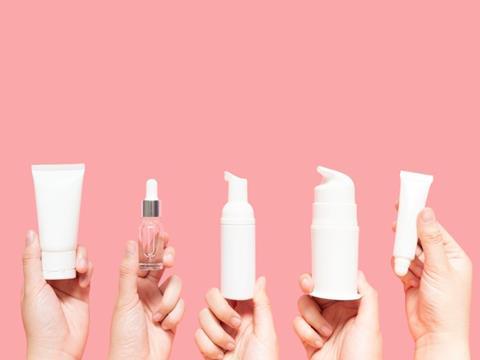
Cosmetic packaging moulds play a critical role in shaping the containers and dispensers used for personal care products. While aesthetics and functionality are important, regulatory compliance is equally essential to ensure consumer safety, environmental sustainability, and global market acceptance. Regulatory considerations affect the design, material selection, manufacturing, and labeling aspects of cosmetic packaging moulds.
1. Material Safety and Compliance
a. FDA (U.S. Food and Drug Administration)
In the U.S., the FDA regulates materials that come into direct or indirect contact with cosmetics.
Materials used in packaging moulds must not leach harmful substances into the cosmetic product.
The FDA refers to the Code of Federal Regulations (CFR), Title 21, for substances generally recognized as safe (GRAS).
b. EU Cosmetic Regulation (EC) No 1223/2009
Requires that packaging must not negatively affect the safety of the cosmetic product.
The packaging should not allow interaction between the container and the product that could alter the product’s composition.
c. REACH and RoHS Compliance (EU)
Materials must comply with REACH (Registration, Evaluation, Authorisation and Restriction of Chemicals) regulations.
RoHS (Restriction of Hazardous Substances) applies if the packaging includes electronic components (e.g., LED lights in caps or applicators).
d. Prop 65 (California, USA)
Requires labeling if packaging materials contain substances known to cause cancer, birth defects, or reproductive harm.
2. Environmental Regulations
a. Sustainability Requirements
Increasing regulations encourage or mandate the use of recyclable, biodegradable, or reusable materials.
Packaging moulds must accommodate eco-friendly design standards like minimal plastic use or compatibility with recycling streams.
b. Extended Producer Responsibility (EPR)
In many jurisdictions, brands are responsible for post-consumer disposal of packaging.
Mould designs must facilitate easy disassembly and recyclability.
3. Good Manufacturing Practices (GMP)
Packaging manufacturers must follow ISO 22716:2007, which outlines GMP for cosmetics.
GMP includes hygienic moulding environments, traceability of materials, and quality assurance processes.
4. Labeling and Tamper Evident Design
Moulds may need to accommodate features that support regulatory labeling (e.g., embossed batch codes, expiry dates).
Tamper-evident packaging is often legally required and must be integrated into the mould design.
5. International Standards and Certifications
ISO 9001: Quality management systems relevant to the production of cosmetic packaging moulds.
ASTM and EN standards: Define physical performance and compatibility of packaging (e.g., drop tests, sealing integrity).
6. Microbial Contamination Risk
Packaging moulds must avoid designs that could harbor microbial growth.
Cleanroom moulding or anti-microbial materials might be required for certain products (e.g., eye creams, baby skincare).
7. Import/Export Considerations
Products sold internationally must meet local packaging regulations in every market.
China’s NMPA, Canada’s Consumer Product Safety Act, and Japan’s Pharmaceutical and Medical Device Act have their own packaging safety rules.
Conclusion
Regulatory considerations in cosmetic packaging moulds are multifaceted and span health, safety, environmental, and trade compliance areas. Manufacturers must stay updated on regional and international standards to avoid legal penalties, protect consumers, and support brand reputation. Integrating compliance early in mould design and production ensures smoother market entry and sustained product success.