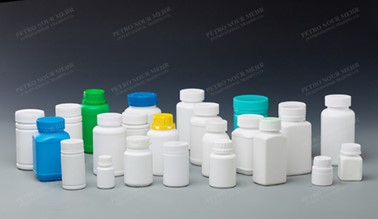
Blow moulding is a versatile plastic manufacturing process used to produce hollow plastic parts by inflating a heated plastic tube until it fills a mould and forms the desired shape. In the medical industry, blow moulding plays a critical role in producing safe, reliable, and cost-effective packaging solutions that meet stringent hygiene and regulatory standards.
Types of Blow Moulding Techniques Used in Medical Packaging
There are three main types of blow moulding processes used in medical packaging:
Extrusion Blow Moulding (EBM)
Used for producing containers with complex shapes and handles.
Commonly used for bottles, containers for antiseptics, and diagnostic fluids.
Injection Blow Moulding (IBM)
Produces containers with superior dimensional accuracy and clarity.
Ideal for small-volume containers such as vials and eye drop bottles.
Stretch Blow Moulding (SBM)
Utilized for high-clarity, high-strength containers, often from PET.
Frequently used for IV solution bottles, nutritional supplement packaging, and pharmaceutical liquids.
Applications in Medical Packaging
Blow moulding is used to manufacture a wide range of medical packaging products, including:
IV and blood bags (in some modified processes)
Syringe barrels
Sterile bottles for saline, antiseptics, and irrigation solutions
Single-use containers for diagnostic samples
Inhalation therapy containers
Nutritional supplement packaging (e.g., high-barrier bottles)
Eye dropper bottles and nasal spray containers
Advantages of Blow Moulding in Medical Packaging
Sterility and Cleanroom Compatibility
Blow moulded containers can be produced in cleanroom environments to meet medical-grade sterility requirements.Cost-Effective Mass Production
High-speed production makes it economical for single-use, disposable packaging, reducing cross-contamination risks.Material Versatility
Can use medical-grade plastics like HDPE, LDPE, PET, and PP, depending on the chemical compatibility and barrier properties required.Design Flexibility
Enables creation of custom shapes, handles, and dosage indicators, enhancing usability for medical professionals and patients.Regulatory Compliance
Modern blow moulding systems can comply with FDA, USP Class VI, and ISO 13485 requirements for medical packaging.Lightweight and Durable
Offers a strong, shatterproof alternative to glass with excellent impact resistance and long shelf-life.
Challenges and Considerations
Validation and Testing
Medical packaging must undergo rigorous testing (e.g., leak tests, sterility, extractables/leachables studies).Barrier Properties
Selection of the right polymer is crucial to prevent moisture or gas transmission, especially for sensitive drugs.Regulatory Oversight
Manufacturing processes and materials must be strictly validated and traceable.
Conclusion
Blow moulding is an indispensable technology in the field of medical packaging, offering a blend of reliability, precision, and cost efficiency. As medical technology advances and the demand for sterile, safe, and convenient packaging grows, blow moulding continues to evolve—providing solutions that meet both regulatory standards and the practical needs of healthcare providers and patients.