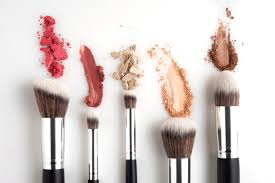
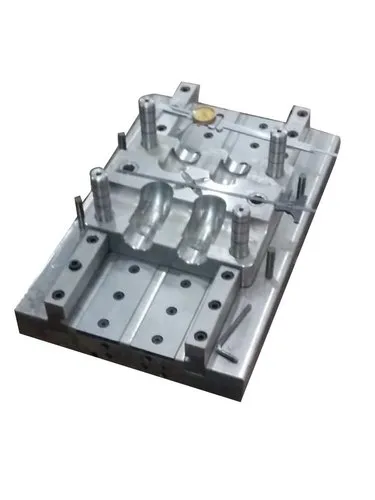
The Korean beauty (K-Beauty) industry is globally renowned for its innovation, aesthetics, and emphasis on high-performance skincare and makeup. One often overlooked yet essential aspect of this success is cosmetic moulding — the process of shaping, forming, and packaging beauty products with precision and appeal.
What is Cosmetic Moulding?
Cosmetic moulding refers to the manufacturing process where beauty products, particularly solid or semi-solid formats (like lipsticks, balms, foundations, and cushion compacts), are poured, injected, or pressed into specific moulds. These moulds define the final shape, texture, and sometimes functionality of the product.
In K-Beauty, where product aesthetics are nearly as important as efficacy, moulding plays a key role in differentiating brands and enhancing consumer appeal.
Key Applications in K-Beauty
1. Cushion Compacts
One of K-Beauty’s most iconic inventions, cushion compacts, rely on a specialized moulding process. Liquid foundation or BB cream is soaked into a sponge and encased in a compact. The sponge and its container are precisely molded to deliver the right amount of product per tap, ensuring uniform application.
2. Lipsticks and Lip Balms
K-Beauty lip products often feature unique shapes (e.g., heart-tipped, teardrop) that require precision moulding. This not only supports precise application but also adds to the visual appeal, making the product more share-worthy on social media.
3. Pressed Powders and Multi-Layer Products
Multi-colored blushes, eyeshadow palettes, and gradient highlighters often use intricate moulding techniques to embed multiple pigments in one pan without blending them unintentionally. Some products even feature embossed designs, requiring high-detail moulds.
4. Skincare Bars and Solid Formulas
As sustainability becomes more important, many K-Beauty brands are moving toward solid cleansers, moisturizers, and shampoos. These products are created using moulding techniques similar to soap making, ensuring uniform size, shape, and texture.
Advantages of Cosmetic Moulding in K-Beauty
Customization: Moulding allows for intricate designs, logos, and aesthetic features, making products visually distinctive.
Consistency: Ensures every unit of product has the same texture, density, and weight.
Efficiency: High-volume moulding improves manufacturing speed and scalability.
Sensory Experience: Moulded textures (e.g., smooth domes, embossed patterns) contribute to the tactile experience of using a product.
Trends and Innovations
Smart Moulding for Functional Packaging
K-Beauty brands are integrating moulding with packaging innovation — such as built-in applicators or twist-up balm sticks shaped to fit facial contours.
Sustainable Moulding Materials
With the shift toward eco-conscious beauty, brands are exploring biodegradable or refillable moulded components, reducing waste while maintaining product luxury.
3D Printing and Mould Customization
Emerging 3D printing technologies are allowing faster prototyping and customization of moulds, enabling indie and luxury K-Beauty brands to test unique formats without the high cost of traditional tooling.
Conclusion
Cosmetic moulding, though often hidden behind the scenes, plays a critical role in shaping the success of the K-Beauty industry. From the ergonomic curves of a lip tint to the embossed elegance of a highlighter, moulding transforms functional beauty products into visually engaging, emotionally appealing experiences. As the industry continues to evolve, we can expect moulding technologies to become even more integral — blending art, science, and innovation in every compact and stick.