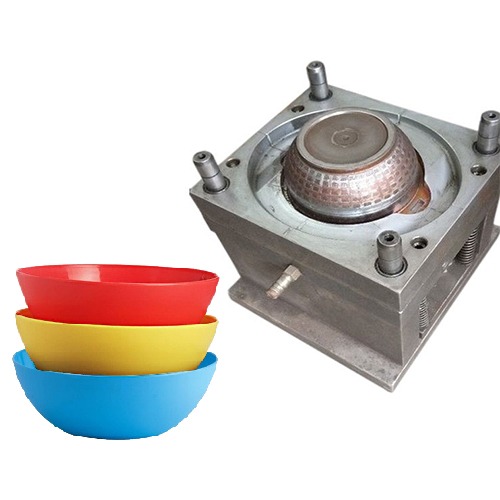
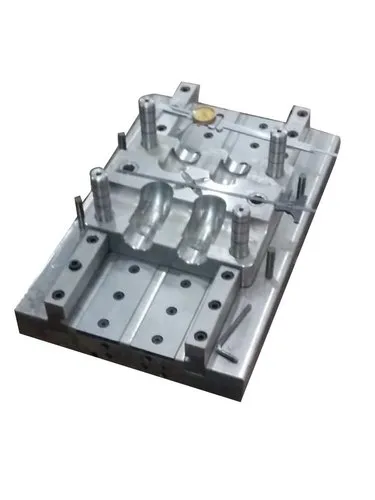
Designing for manufacturability (DFM) is a critical approach in the development of houseware moulds, ensuring that products are easy and cost-effective to produce while meeting quality and functional requirements. In the context of houseware items—such as storage containers, kitchen tools, bins, and household accessories—applying DFM principles to mould design can significantly enhance production efficiency, reduce costs, and accelerate time to market.
1. Understanding the Product Requirements
Before starting mould design, it’s essential to fully understand the product’s functional, aesthetic, and mechanical requirements. For houseware products, this includes:
Ergonomics and user interaction
Surface finish and appearance
Material selection (usually thermoplastics like PP, HDPE, ABS)
Structural strength and durability
Environmental conditions (e.g., dishwasher safe, food contact compliance)
2. Material Considerations
Choosing the right material impacts the entire moulding process. The selected polymer influences:
Shrinkage rates
Flow characteristics
Cooling time
Surface finish
Wall thickness distribution
A DFM approach ensures the part and mould design accommodates the material behavior to avoid defects like warping, sink marks, or flow lines.
3. Wall Thickness Uniformity
Maintaining uniform wall thickness is a fundamental DFM principle. Non-uniform walls can lead to:
Warping
Uneven cooling
Increased cycle time
Material waste
For houseware moulds, the ideal practice is to design walls that are thin enough for fast cycles but thick enough to maintain structural integrity. Tapered or ribbed designs can help balance this.
4. Draft Angles
Incorporating appropriate draft angles (typically 1° to 2°) into the part design is essential for easy part ejection from the mould. Without sufficient draft:
Parts may stick to the core/cavity
Surface damage can occur
Ejection forces increase, leading to potential damage
Houseware items with aesthetic requirements (glossy surfaces, textured patterns) demand careful draft design to preserve surface quality.
5. Undercuts and Complex Features
DFM encourages minimizing undercuts or complex geometries that require side actions or lifters in the mould. These increase mould complexity and cost. Where undercuts are unavoidable, design should allow for:
Simplified mechanical side-actions
Snap fits or collapsible cores (if needed)
Optimized parting lines
For example, integrated handles or snap fits in containers must be evaluated carefully for manufacturability.
6. Parting Line Optimization
A well-placed parting line ensures:
Minimal flash or cosmetic defects
Proper venting
Easier mould machining and maintenance
DFM in houseware moulds emphasizes aligning the parting line along natural edges or inconspicuous areas to maintain aesthetic appeal.
7. Gate Location and Type
Gates are the entry points for molten plastic. Their placement and type directly affect:
Flow patterns
Surface finish
Warpage and weld lines
For houseware moulds, common gate types include:
Pinpoint gates (used in multi-cavity moulds)
Edge gates (for flat surfaces)
Submarine/tunnel gates (for hidden gating)
Proper DFM requires analysis (e.g., flow simulation) to choose the best gate strategy.
8. Cooling System Design
Efficient cooling is essential to minimize cycle time and control shrinkage/warpage. In DFM, attention is given to:
Uniform cooling channels
Proximity to critical part areas
Use of conformal cooling or baffles where needed
For thick or large houseware parts, advanced cooling designs (e.g., 3D-printed inserts) may offer significant benefits.
9. Ejection System Design
Smooth part ejection is vital to avoid part deformation or marks. Design considerations include:
Placement of ejector pins away from cosmetic surfaces
Using stripper plates or air ejectors for large or flexible parts
Ensuring balance between number and size of ejectors
For translucent or glossy houseware products, ejector marks must be minimized or hidden.
10. Mould Maintenance and Durability
Houseware moulds often operate in high-volume production environments. A DFM approach considers:
Modular mould components for easy replacement
Corrosion-resistant materials (especially for transparent or food-grade plastics)
Wear resistance in sliding or moving parts
Designing for long tool life reduces downtime and cost over the mould’s lifespan.
Conclusion
Designing for manufacturability in houseware moulds isn’t just about creating a functional tool—it’s about optimizing the entire lifecycle from design to mass production. A DFM-focused design ensures:
Lower tooling and production costs
Faster time to market
Higher product quality and consistency
Greater customer satisfaction
By collaborating early with mould designers, material experts, and manufacturers, product designers can create houseware items that are not only innovative and appealing but also economically and practically viable to produce.