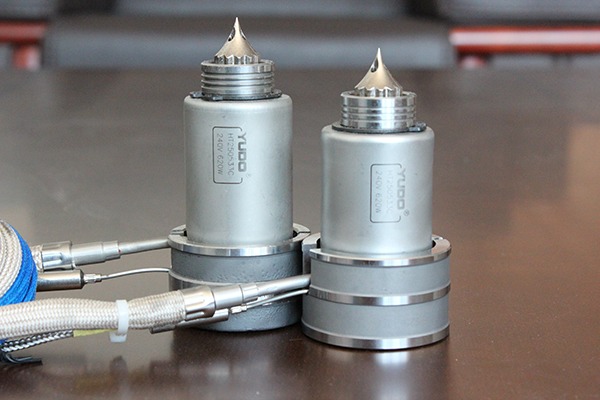
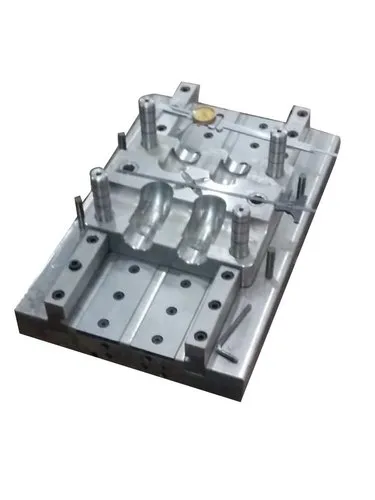
Injection molding is a widely used manufacturing process for producing plastic parts. One critical decision in mold design is whether to use a hot runner or a cold runner system. Each has its own advantages and drawbacks depending on the application, part design, material, and production volume.
⚙️ What is a Runner System?
A runner system is the channel that guides molten plastic from the injection molding machine nozzle to the mold cavities. There are two primary types:
Cold Runner System: Uses unheated channels to direct the molten plastic.
Hot Runner System: Uses heated components to maintain the plastic in a molten state until it enters the cavity.
🔥 Hot Runner System
✅ Advantages:
Reduced Waste: No solidified runners, leading to little or no scrap.
Shorter Cycle Time: No time required to cool the runner.
Consistent Part Quality: Better control of temperature and flow.
Suitable for High Volume Production: Cost-efficient over time.
❌ Disadvantages:
High Initial Cost: Expensive mold design and components.
Complex Maintenance: More difficult to clean and repair.
Material Limitations: Not ideal for heat-sensitive plastics.
Requires Skilled Operation: Advanced temperature control systems needed.
❄️ Cold Runner System
✅ Advantages:
Lower Initial Cost: Simpler mold design and construction.
Easier Maintenance: Fewer parts and less complexity.
Good for Small Batches: Economical for low to medium production runs.
Works with Many Materials: Including heat-sensitive plastics.
❌ Disadvantages:
Material Waste: Solidified runners must be discarded or reprocessed.
Longer Cycle Times: Time needed to cool and eject runners.
Inconsistent Quality: Can suffer from uneven flow or temperature loss.
Lower Efficiency: Increased scrap and energy consumption.
🧮 Comparison Table
| Feature | Hot Runner System | Cold Runner System |
|---|---|---|
| Initial Cost | High | Low |
| Material Waste | Minimal to none | High |
| Cycle Time | Shorter | Longer |
| Maintenance | Complex | Simple |
| Energy Efficiency | More efficient long-term | Less efficient |
| Best for | High volume production | Low to medium volume runs |
| Material Compatibility | Limited to non-heat-sensitive | Wide range |