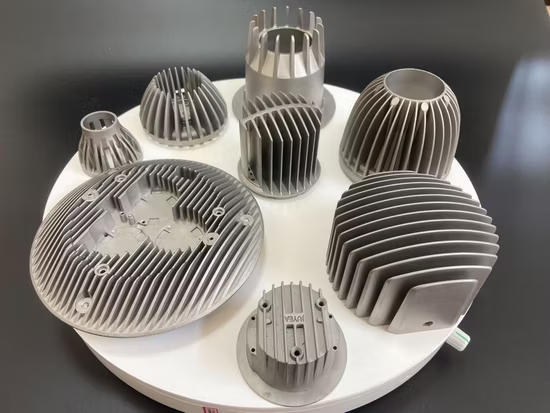
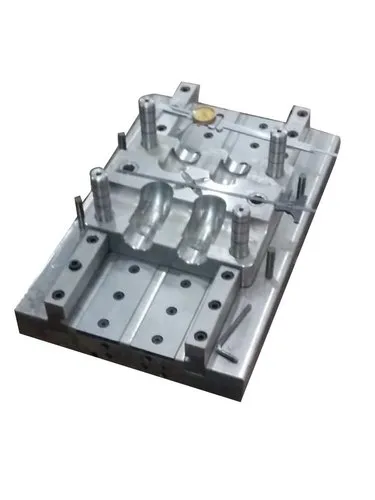
Dies are critical components in various manufacturing processes such as forging, extrusion, and die casting. These tools are constantly subjected to extreme mechanical, thermal, and chemical stresses, leading to wear, fatigue, and failure over time. Surface treatment and coating technologies are employed to enhance the performance, lifespan, and reliability of dies by improving their surface hardness, wear resistance, thermal stability, and corrosion resistance.
Objectives of Surface Treatment and Coating
Increase surface hardness and wear resistance
Reduce friction and galling
Enhance thermal fatigue resistance
Improve resistance to oxidation and corrosion
Extend die service life and reduce downtime
Maintain dimensional accuracy and surface finish of parts
Common Surface Treatment Techniques
1. Nitriding
Process: Diffusion of nitrogen into the die surface at 500–550°C
Benefits: Increases surface hardness (up to 1200 HV), improves fatigue strength, minimal distortion
Applications: Hot forging dies, extrusion dies, die-casting dies
2. Carburizing
Process: Introduction of carbon into the die surface at high temperatures (850–950°C)
Benefits: Produces a hard, wear-resistant surface with a tough core
Applications: Cold forming dies, blanking and punching tools
3. Induction and Flame Hardening
Process: Rapid heating of die surface followed by quenching
Benefits: Hardens only the surface without affecting the core, short cycle times
Applications: Large forging dies, press tools
4. Shot Peening
Process: Bombardment of die surface with small spherical media
Benefits: Induces compressive residual stresses, increases fatigue life
Applications: Dies prone to fatigue cracking
Popular Die Coating Technologies
1. Physical Vapor Deposition (PVD)
Examples: TiN, CrN, TiAlN, AlCrN
Benefits: High hardness (2000+ HV), low friction, excellent wear and oxidation resistance
Limitations: Thin coatings (<5 µm), best suited for cold work and precision dies
Applications: Cold forging dies, stamping dies, fine blanking
2. Chemical Vapor Deposition (CVD)
Examples: TiC, TiCN, TiN
Benefits: Strong adhesion, good for high-temperature applications
Limitations: Requires high processing temperatures (>900°C)
Applications: Hot forging dies, extrusion dies
3. Thermal Spray Coatings
Techniques: Plasma spray, HVOF (High-Velocity Oxy-Fuel), flame spray
Coating Materials: Carbides (e.g., WC-Co), ceramics, metal alloys
Benefits: Thick coatings (up to 500 µm), excellent wear and erosion resistance
Applications: Large dies, die casting molds, extrusion dies
4. Electroplating and Electroless Plating
Common Coatings: Hard chrome, nickel-phosphorus
Benefits: Improved corrosion resistance, moderate hardness
Applications: Dies used in corrosive or high-humidity environments
Selection Criteria for Surface Treatments and Coatings
Type of Die: Hot work, cold work, or plastic mold dies
Material of the Die: Tool steels (H13, D2, etc.), carbides, etc.
Operating Conditions: Temperature, pressure, abrasion, corrosion
Desired Properties: Hardness, toughness, lubricity, oxidation resistance
Cost and Availability: Process economics and accessibility of technology
Emerging Technologies
Duplex Treatments: Combination of nitriding + PVD coating for enhanced performance
Advanced PVD Coatings: Multi-layer, nano-composite, or gradient coatings for tailored properties
Laser Surface Treatment: Precise surface hardening and alloying
Diamond-Like Carbon (DLC) Coatings: Ultra-low friction and high hardness, suitable for special applications
Conclusion
Surface treatment and coating of dies play a vital role in optimizing tool performance, reducing operational costs, and ensuring consistent product quality. The choice of treatment or coating must be based on a thorough analysis of die material, operating conditions, and production requirements. With continuous advancements in materials and surface engineering, manufacturers have access to a wide array of solutions to extend die life and enhance process efficiency.