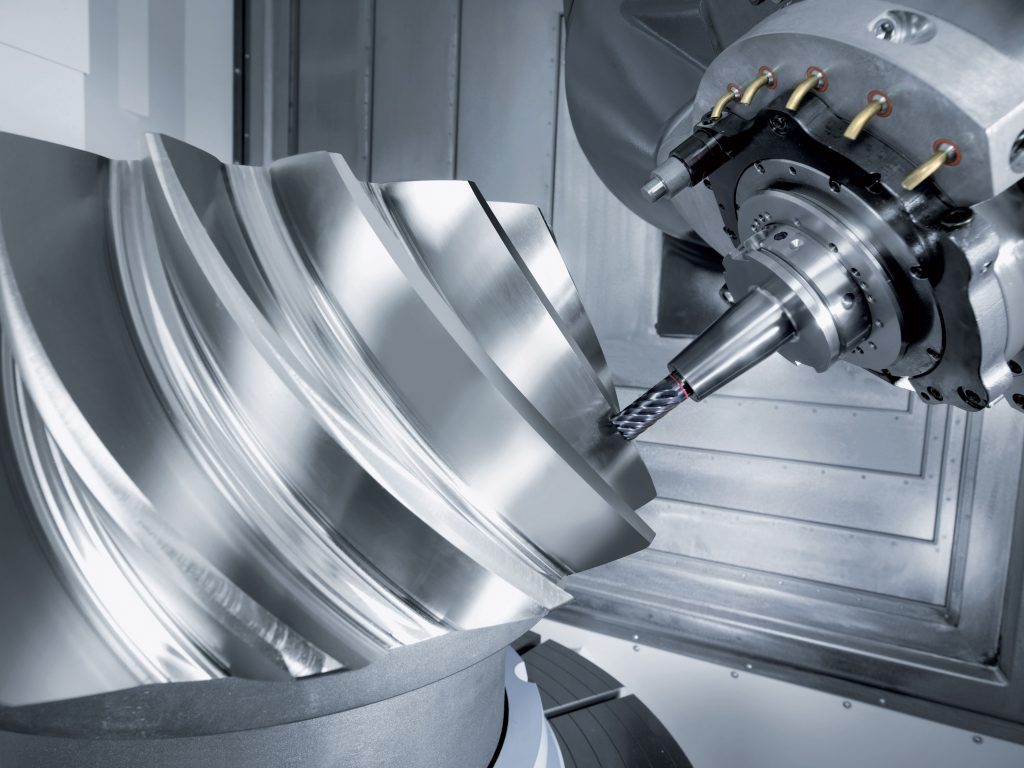
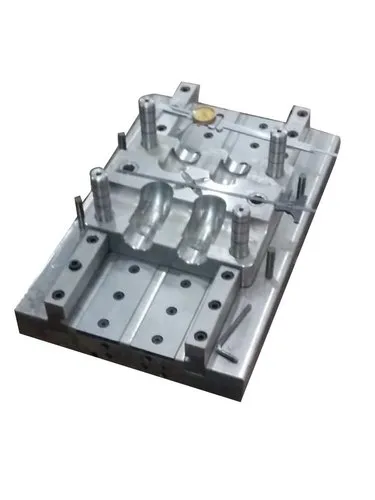
CNC (Computer Numerical Control) machining plays a pivotal role in the precision manufacturing of mould bases, which are fundamental components in the tooling used for plastic injection moulding, die casting, and other mould-based production processes. The mould base serves as the foundation that holds all the mould components together, and its precision determines the performance, durability, and output quality of the entire mould system.
What is CNC Machining?
CNC machining is a subtractive manufacturing process that uses computerized controls and machine tools to remove layers of material from a workpiece to produce custom-designed parts. In the context of mould base fabrication, CNC machining is employed to achieve high precision and repeatability, which are critical in toolmaking.
Importance of CNC Machining in Mould Base Fabrication
Precision and Accuracy
Mould bases require tight tolerances to ensure proper alignment of core and cavity plates.
CNC machining provides micron-level precision, enabling the production of high-accuracy components that fit seamlessly.
Consistency and Repeatability
Whether producing a single mould base or multiple units, CNC machining ensures consistent quality and dimensional accuracy across batches.
Complex Geometries
Modern moulds often include intricate features such as cooling channels, ejector pin holes, and guide bushings.
CNC machines can easily handle complex designs using multi-axis configurations (3-axis, 4-axis, or 5-axis).
Material Versatility
Mould bases are often made from tool steels, hardened steel, aluminum, or pre-hardened materials.
CNC machines can process a wide range of these materials with appropriate tooling.
Reduced Lead Time
CNC machining automates the cutting process, significantly reducing production time compared to manual machining.
CAM (Computer-Aided Manufacturing) integration further speeds up the process by optimizing tool paths and cutting sequences.
CNC Processes Used in Mould Base Fabrication
Milling
Used to create flat surfaces, pockets, slots, and holes.
3-axis and 5-axis CNC mills are common for producing complex mould base components.
Drilling
Critical for accurate placement of ejector pins, guide pins, and cooling lines.
High-speed CNC drilling ensures precision and alignment.
Grinding
Surface grinding ensures flatness and fine surface finish, often used after rough machining.
CNC surface grinders provide superior control over thickness tolerances.
EDM (Electrical Discharge Machining)
While not always CNC-based, many EDM machines are CNC-controlled.
Useful for machining hardened materials and producing sharp internal corners and complex profiles.
Turning (if applicable)
Occasionally used for cylindrical components of the mould base such as bushings or support pillars.
Advantages of Using CNC in Mould Base Fabrication
Higher Tool Life due to optimized cutting speeds and feeds.
Reduced Waste through precise machining and minimal errors.
Faster Prototyping and Production for both standard and custom mould bases.
Integration with CAD/CAM systems allows for seamless design-to-production workflow.
Improved Surface Finish, reducing the need for secondary processes.
Challenges and Considerations
Initial Setup Cost for CNC machines and software can be high.
Programming Skill Requirements are essential for maximizing machine capability.
Tool Wear and Maintenance must be monitored to maintain precision.
Conclusion
CNC machining has revolutionized mould base fabrication by enhancing precision, efficiency, and flexibility. As manufacturing demands grow more complex and quality-driven, CNC technology continues to be an indispensable tool in the mould-making industry. Leveraging CNC machining ensures that mould bases are not only accurate and reliable but also capable of supporting high-volume production with minimal downtime.