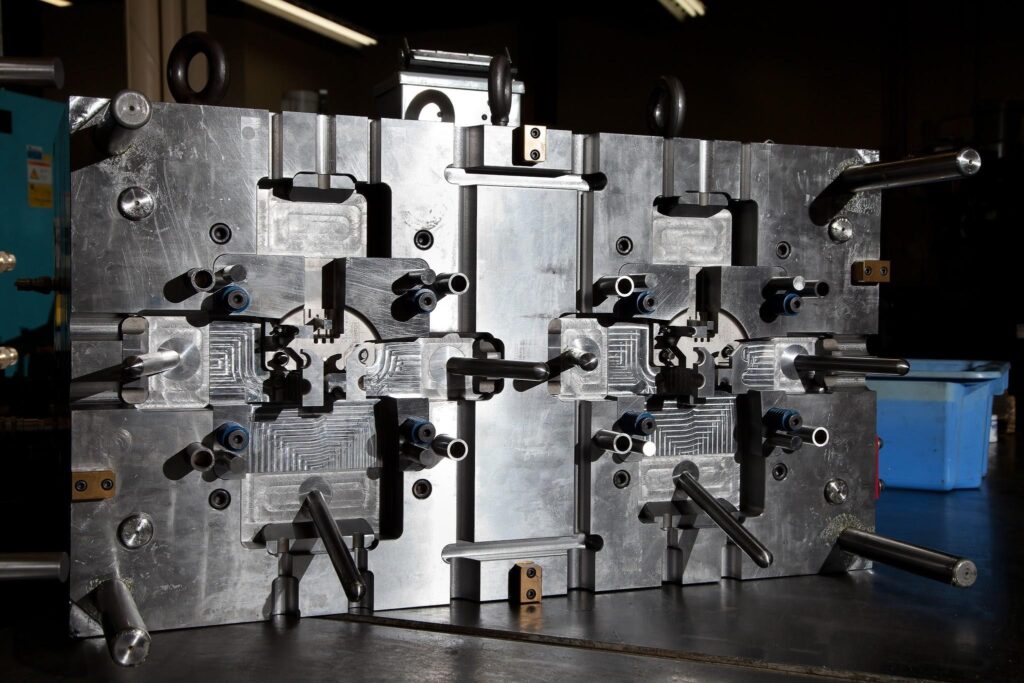
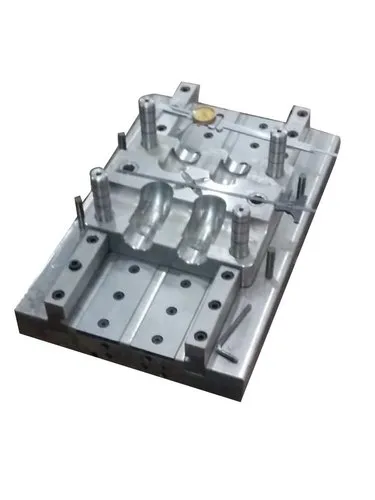
Houseware mould dies are critical tools used in the injection moulding process to produce a wide range of household plastic products such as containers, utensils, storage boxes, and more. These moulds are subject to repeated cycles of high pressure, heat, and wear, which can cause degradation over time. Preventive maintenance (PM) ensures long-term mould performance, product quality, reduced downtime, and increased mould lifespan.
Objectives of Preventive Maintenance
Ensure consistent product quality
Minimize unplanned downtime
Extend the life of the mould
Prevent costly repairs or replacements
Improve operational efficiency
Key Components of Preventive Maintenance for Houseware Mould Dies
1. Cleaning
Frequency: After every production cycle or as per the defined production quantity
Scope:
Remove resin buildup and carbon deposits from cavities and cores
Clean venting systems, ejector pins, cooling channels
Use soft brushes, ultrasonic cleaners, and approved solvents
2. Inspection
Visual Inspection: Check for wear, corrosion, cracks, or surface damage
Dimensional Check: Use precision tools (calipers, micrometers) to verify critical dimensions
Hot Runner System: Inspect for leaks, clogged nozzles, or damaged wiring
3. Lubrication
Apply mould-safe lubricants to:
Guide pins and bushings
Ejector pins
Slides and lifters
Ensure removal of old grease and contaminants before reapplication
4. Alignment and Fit Checks
Inspect for proper alignment between core and cavity
Check locking mechanisms and mold plate fitment
Use feeler gauges and alignment tools as needed
5. Cooling System Maintenance
Descale and flush cooling channels to prevent blockage
Check for water leaks, rust, or contamination
Test flow and temperature consistency across all zones
6. Surface Treatment Maintenance
Reapply anti-rust agents on non-working surfaces after cleaning
Polish working surfaces to prevent flash or drag marks
Apply surface coatings (e.g., nitriding, PVD) periodically if required
7. Storage and Handling
Store moulds in a clean, dry, and climate-controlled area
Protect from dust, moisture, and mechanical shock
Use mould covers and lift with proper equipment
Preventive Maintenance Schedule Example
| Frequency | Task |
|---|---|
| Daily/Shift-end | Basic cleaning, visual check, lubrication of moving parts |
| Weekly | Detailed inspection, surface cleaning, cooling line check |
| Monthly | Dimensional check, polishing, electrical system inspection (if any) |
| Quarterly | Full disassembly, ultrasonic cleaning, alignment check |
| Annually | Reconditioning, non-destructive testing, complete performance audit |