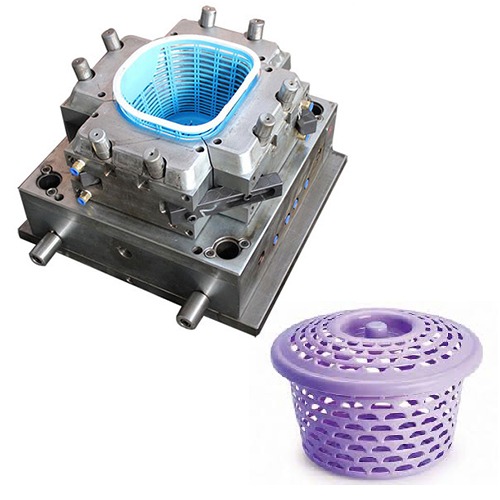
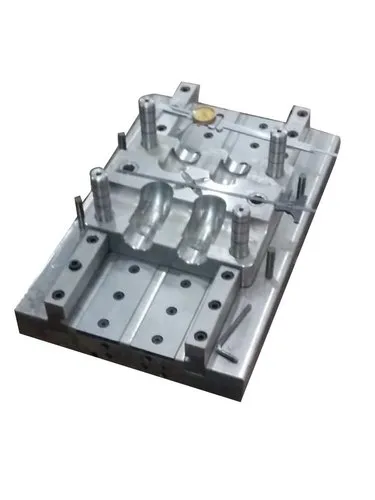
First, to clarify: by “houseware moulds” I interpret moulds used in producing houseware / household goods — this includes moulds for kitchenware, bakeware, tableware, storage containers, cleaning tools, etc. These moulds might be injection moulds, casting moulds, silicone / rubber moulds, metal or ceramic moulds, etc.
Key Market Drivers
Growing Demand for Houseware Products
The overall housewares / kitchenware / plastic houseware product sectors are growing globally, driven by urbanization, rising incomes, changing lifestyles, and renovation / home décor trends. reanin.com+3Future Market Insights+3Dataintelo+3Rise in Home Cooking & Baking / DIY
More people baking at home (especially following the pandemic) are increasing demand for baking moulds, trays, silicone moulds and related houseware that require suitable mould tooling. DataHorizzon Research+2fmiblog.com+2Customization & Design / Aesthetic Considerations
Consumers increasingly expect unique designs, aesthetic appeal, color / pattern variation, thematic / novelty items. This pushes mould makers to offer more flexible, lower-volume, higher-precision tools. Global Growth Insights+3Market Research Intellect+3Infinitive Data Research+3Materials Innovation and Sustainability
Preference for eco‑friendly, recyclable, or biodegradable materials (plastics, silicone, etc.). Verified Market Reports+2Infinitive Data Research+2
Regulations restricting single‑use plastics, or stricter environmental / material standards, which affect mould material selection, coatings, finish, etc. Verified Market Reports+2Future Market Report+2
Technological Advancement in Mould Making
Use of higher precision machining (CNC), improved finishing, multi‑cavity moulds, better cooling channels, etc. Future Market Report+3Global Growth Insights+3Knowledge Sourcing+3
Adoption of additive manufacturing (3D printing) for prototyping or even production of moulds or mould components. Knowledge Sourcing+1
Automation & digital tools (CAD/CAM, simulation, mold flow analysis) to shorten lead times and reduce defects. Global Growth Insights+2Future Market Report+2
Regional Shifts & Reshoring
Asia‑Pacific remains a key hub for mould manufacturing (lower cost, scale) but there is growing interest in reshoring or near‑shoring in North America / Europe to reduce supply chain risk. Stats Market Research+2PW Consulting+2
Growth markets: India, China, Southeast Asia show higher growth rates in houseware / houseware product demand, so mould makers are increasingly serving those markets. Future Market Insights+1
Challenges and Constraints
Cost Pressures
Rising raw material costs (steel, tool steels, metals, polymers).
Energy costs, machining / labour costs.
Balancing cost vs precision / durability vs speed.
Environmental / Regulatory Compliance
Regulations on plastic types, emissions, sustainability, recyclability.
Requirements for more durable moulds/coatings to minimize waste.
Technical Complexity and Precision Needs
As designs become more complex (thin walls, fine details, texture / embossing, color inserts, etc.), moulds need better precision, tolerances, more advanced technologies — which increases cost and expertise needed.Lead Time & Supply Chain Disruption Risks
Disruptions (pandemic, shipping, geopolitical issues) have affected mold‑tool import/export, raw materials.
Leading customers (brands, houseware product firms) often demand quick design cycles.
Competition & Fragmentation
High competition especially from low‑cost producers.
Premium moulds (high precision, aesthetic finish, specialized materials) is an area where technology and brand matter.
Key Technological Trends & Innovations
Multi‑cavity Moulds / Modular Tools: To improve throughput and reduce cost per unit.
Advanced Coatings & Finishes: To improve lifespan, reduce maintenance, ensure food‑safety requirements, anti‑stick surfaces, etc.
Use of High‑performance Materials in moulds (e.g. steels or alloys that can handle high temperature, thermal cycling).
Digitalization: CAD/CAM, mold flow simulation, predictive maintenance for mould tools.
3D Printing for Prototyping / Small Batch: Faster turnaround, customization.
Smart Tools / IoT Monitoring: Moulds embedded with sensors to monitor temperature, pressure, wear — to reduce defects and downtime.