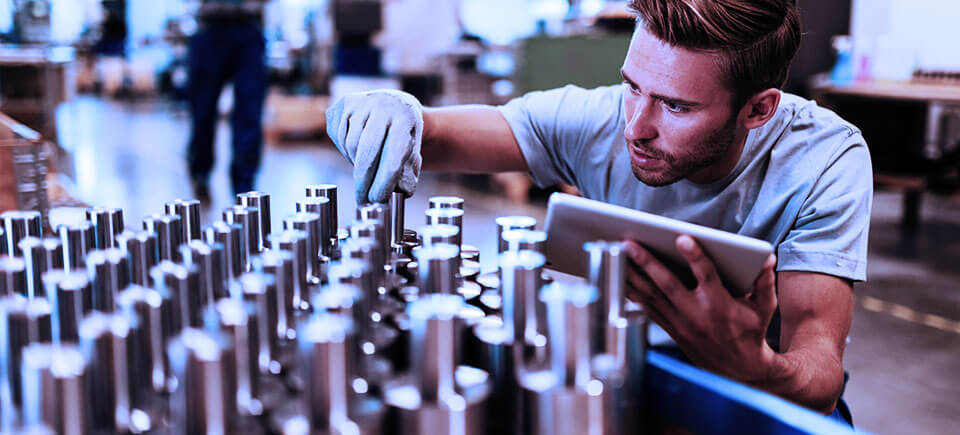
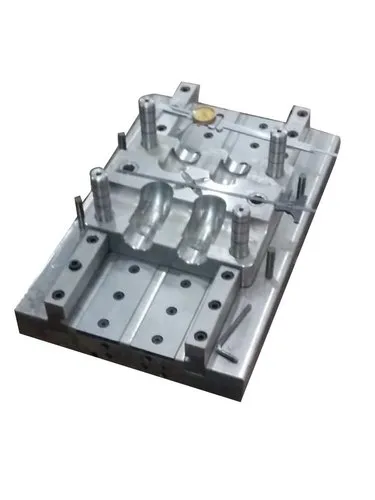
Die manufacturing is a critical process in the metalworking industry, involving the design and production of dies used for cutting, shaping, or forming materials, often under high pressure. Because of the precision and power involved, safety is a major concern in die manufacturing. Ensuring the safety of workers, equipment, and facilities not only protects lives but also reduces downtime and improves productivity.
1. Personal Protective Equipment (PPE)
Workers involved in die manufacturing should be equipped with appropriate PPE, including:
Safety glasses or face shields to protect from flying metal chips and debris.
Gloves (cut-resistant) for handling sharp-edged components.
Steel-toe boots to protect feet from heavy objects.
Hearing protection in environments with high noise levels.
Flame-resistant clothing, if there is a risk of sparks during grinding or welding.
2. Machine Safety
Most die-making operations involve the use of heavy machinery such as CNC machines, lathes, milling machines, EDMs (Electrical Discharge Machines), and grinders. Safety protocols include:
Machine guarding: Ensure all machines have appropriate guards to prevent accidental contact with moving parts.
Emergency stop mechanisms: Easily accessible emergency stops must be in place on all machines.
Lockout/Tagout (LOTO): Always follow LOTO procedures during maintenance to ensure machines are properly shut down and cannot be started accidentally.
Routine inspections: Machines should be regularly inspected and maintained to prevent mechanical failure.
3. Material Handling
Die components are often heavy and awkward to move. Improper handling can cause serious injuries or damage. Best practices include:
Using cranes, hoists, or forklifts for heavy lifting instead of manual handling.
Training workers on proper lifting techniques to avoid strain injuries.
Keeping pathways clear to prevent tripping hazards.
4. Tooling and Die Setup
Improper die setup is a common cause of accidents. To reduce risk:
Only qualified personnel should perform die setups.
Always check alignment and clamping before operating the press or machine.
Use proper tools and avoid improvisation.
Double-check the die condition for wear or damage before use.
5. Fire and Electrical Safety
Die manufacturing often involves electrical discharge machining and other high-energy processes:
Ensure proper grounding of electrical equipment.
Avoid overloading electrical circuits.
Keep flammable materials away from heat sources.
Have fire extinguishers and smoke detectors readily available.
6. Chemical Safety
Coolants, lubricants, and cleaning agents are commonly used in die shops:
Use chemicals according to the manufacturer’s instructions and safety data sheets (SDS).
Provide proper ventilation to avoid inhalation of fumes.
Store chemicals in labeled, secure containers away from heat or open flames.
7. Ergonomics
Repeated movements, awkward postures, and vibration from tools can lead to musculoskeletal disorders. Solutions include:
Adjustable workstations to suit different workers.
Anti-fatigue mats for standing tasks.
Rotation of job tasks to reduce repetitive motion injuries.
8. Training and Supervision
Workers must be trained not only in machine operation but also in safety procedures and emergency response.
Regular safety drills and toolbox talks should be conducted.
Supervisors must ensure that safety procedures are consistently followed.
9. Environmental Controls
Adequate lighting is essential to prevent errors and accidents.
Dust collection systems should be in place to maintain air quality.
Maintain temperature and humidity controls to prevent material distortion or safety hazards related to heat or condensation.
10. Emergency Preparedness
Clearly marked exit routes and evacuation plans.
First aid kits and trained first responders on site.
Regular drills for fire, chemical spills, and other emergencies.
Conclusion
Safety in die manufacturing is not optional—it is a vital component of operational success. By implementing stringent safety practices, providing proper training, and maintaining equipment and facilities, manufacturers can significantly reduce the risk of accidents and injuries. A culture of safety leads to better productivity, improved morale, and a stronger reputation within the industry.