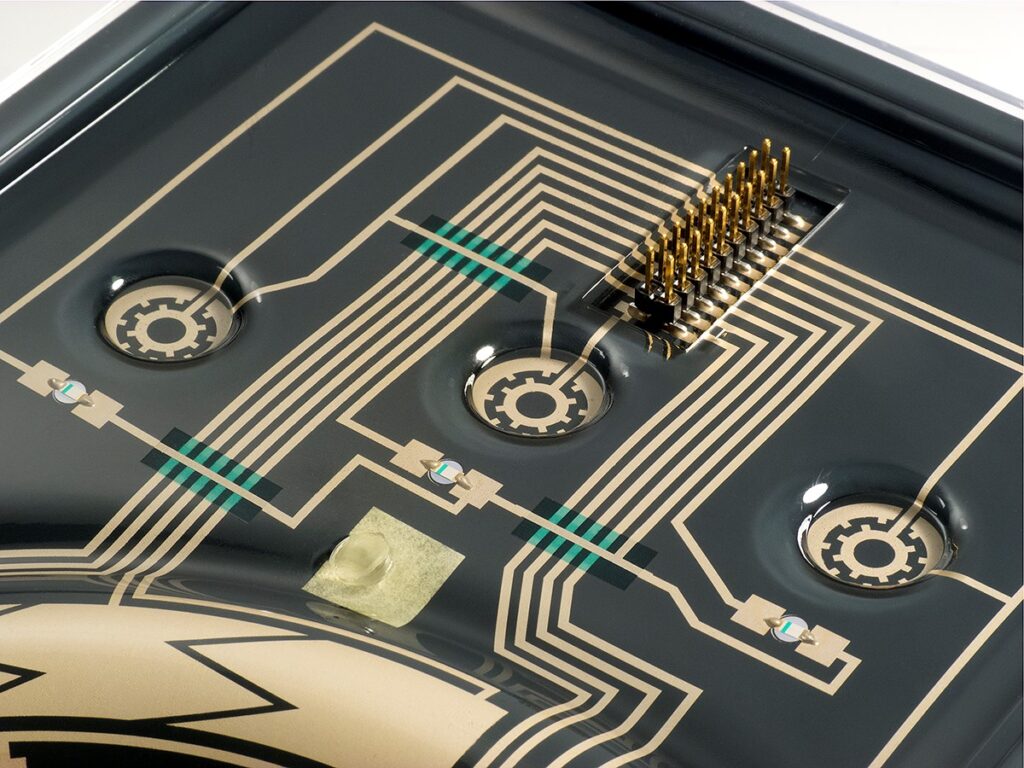
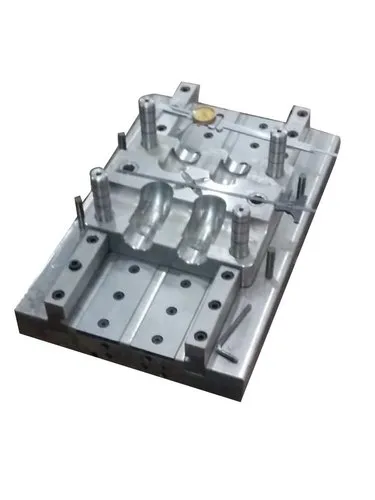
Electronic moulds (also known as electronic or smart injection moulds) are specialized moulds that integrate sensors, actuators, or other electronic components to monitor, control, or enhance the moulding process. These moulds are commonly used in high-precision industries such as automotive, medical, electronics, and consumer products. When designing electronic moulds, several factors must be taken into account to ensure optimal performance, durability, and cost-effectiveness.
1. Functional Requirements
Component Geometry and Complexity: The mould must match the design specifications of the electronic component being produced, including fine details, undercuts, or thin walls.
Tolerance and Precision: Electronic components require tight tolerances. The mould design should minimize deviations during production.
Material Flow and Fill: Proper gating and runner design must ensure uniform material flow, avoid air traps, and minimize weld lines.
2. Integration of Electronics
Sensor Placement: Sensors for temperature, pressure, or cavity fill must be strategically placed to collect accurate and meaningful data.
Wiring and Routing: Wiring for sensors or actuators must be carefully integrated into the mould without interfering with the mechanical function or ejection process.
Protection of Components: Electronic parts must be sealed or shielded from moisture, heat, or chemical exposure during moulding.
3. Material Selection
Mould Material: Tool steels (e.g., P20, H13, S7) or hardened stainless steel are typically used for durability and thermal stability.
Component Material: Compatibility with the plastic or thermoset material used in injection moulding is essential. Electronic insert materials must withstand moulding temperatures and pressures.
Thermal Conductivity: Consider materials that support uniform heat distribution to prevent warping or defects in the final product.
4. Thermal Management
Cooling System Design: Efficient cooling channels are necessary to control the mould temperature and reduce cycle time.
Heat Zones: If the mould includes hot runners or heating elements, thermal isolation between zones must be maintained to avoid hotspots.
5. Tolerance and Alignment
Precise Alignment: For multi-cavity or multi-part moulds, high-precision alignment mechanisms such as guide pins and bushings are essential.
Shrinkage Compensation: Consideration of shrinkage factors of the moulded material to ensure dimensional accuracy of electronic components.
6. Ejection System Design
Safe Ejection of Delicate Parts: For fragile or precision electronic parts, ejection systems should be designed to avoid deformation or damage.
Use of Air Ejectors or Strippers: Non-mechanical ejection methods may be needed for sensitive parts.
7. Maintenance and Accessibility
Ease of Maintenance: Electronic moulds should allow easy access to sensors, heaters, or other embedded components for servicing or replacement.
Modular Design: Designing moulds in a modular fashion allows parts to be replaced without dismantling the entire system.
8. Safety and Reliability
Electrical Safety: Proper insulation, grounding, and routing must be ensured to prevent electrical hazards.
Redundancy and Fail-safes: Critical systems may require backup sensors or fault detection mechanisms to ensure process stability.
9. Cost and Manufacturability
Tooling Cost: Incorporating electronics increases tooling complexity and cost, which must be justified by performance gains or production volume.
Design for Manufacturability (DFM): The design should facilitate ease of manufacturing, assembly, and mass production.
10. Compliance and Standards
Industry Standards: Ensure compliance with relevant standards such as ISO, IEC, or UL for electronic components and moulding processes.
ESD Protection: For electronic parts susceptible to electrostatic discharge, ESD-safe designs and materials should be considered.
Conclusion
Designing electronic moulds requires a multidisciplinary approach that combines traditional mould design principles with knowledge of electronics, thermodynamics, materials science, and precision engineering. By carefully considering these factors, designers can ensure high-quality, reliable, and efficient production of electronic components through moulding processes.