1. Introduction
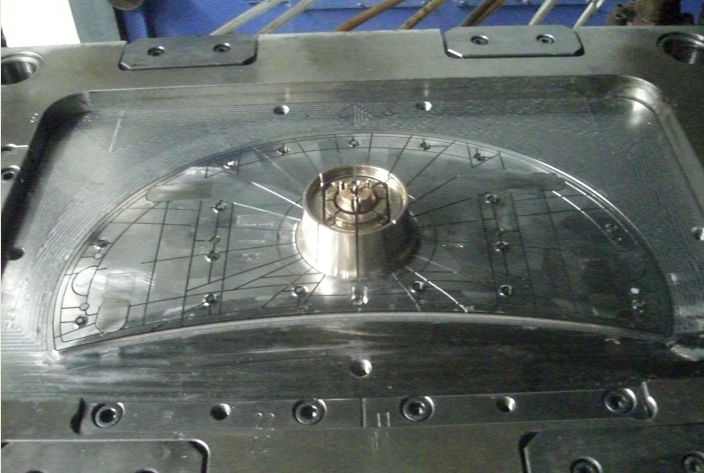
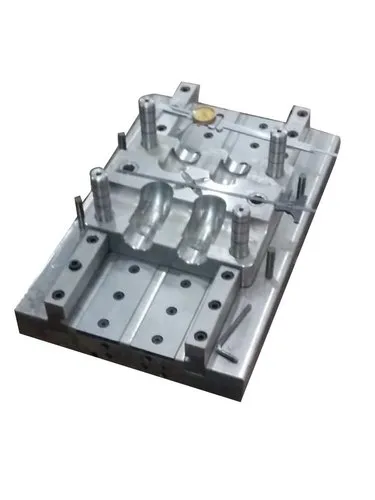
Plastic furniture has become a staple in both domestic and commercial settings due to its affordability, durability, and design flexibility. At the heart of plastic furniture production lies the mould – a critical tool in shaping molten plastic into functional and aesthetic pieces. The evolution of plastic furniture moulds reflects broader advancements in material science, manufacturing technology, and design trends.
2. Early Developments
2.1 Emergence of Plastics in Furniture
In the mid-20th century, thermoplastics such as polypropylene and polyethylene began replacing traditional materials like wood and metal.
Initially, furniture was produced using basic injection moulding techniques, which allowed mass production of simple, stackable items like chairs and stools.
2.2 Basic Mould Technology
Early moulds were manually designed and often made from steel or aluminum.
Limited design complexity and high cycle times restricted the variety and speed of production.
Mould maintenance was high due to less precision in tooling and materials.
3. Technological Advancements
3.1 CAD/CAM Integration
The 1980s and 1990s saw the integration of Computer-Aided Design (CAD) and Computer-Aided Manufacturing (CAM) in mould development.
Enabled more complex geometries, ergonomic designs, and modular components.
Drastically improved precision and reduced the trial-and-error phase of mould fabrication.
3.2 CNC Machining and EDM
The use of Computer Numerical Control (CNC) machines and Electrical Discharge Machining (EDM) allowed for more intricate mould designs.
Enhanced surface finishes, tighter tolerances, and increased durability of moulds.
3.3 Hot Runner Systems
Introduced to reduce waste, speed up production cycles, and improve part quality.
Helped maintain the temperature of molten plastic for consistent flow and better surface finishes.
4. Material Innovations in Moulds
4.1 Improved Tool Steels and Coatings
New grades of steel and special coatings (e.g., PVD, chrome, or nitride coatings) have increased mould lifespan.
Resistance to wear, corrosion, and thermal fatigue improved performance.
4.2 Lightweight and Hybrid Materials
Incorporation of materials like beryllium copper inserts improved heat dissipation in moulds.
Use of hybrid moulds with interchangeable cores increased efficiency in multi-design production lines.
5. Design & Functionality Evolution
5.1 From Function to Aesthetics
Shift from purely functional to highly aesthetic designs: contoured chairs, vibrant colors, and designer patterns.
3D simulations and virtual prototyping now drive the design phase.
5.2 Ergonomics and Customization
Modern moulds accommodate ergonomic shapes and user-centric designs.
Manufacturers can customize furniture with brand logos, textures, and localized styles using modular mould inserts.
6. Advanced Manufacturing Techniques
6.1 Gas-Assisted Injection Moulding
Allows hollow sections within parts, reducing material usage while maintaining strength.
Ideal for armrests, chair legs, and tubular furniture components.
6.2 Co-injection and Multi-material Moulding
Enables combining different materials (e.g., soft-touch surfaces or dual-color furniture) in a single process.
Enhances functionality and appeal.
6.3 Rapid Prototyping and 3D Printing
Used in early-stage mould testing and design validation.
While not yet suitable for high-volume production moulds, 3D printing speeds up development cycles.
7. Automation and Smart Manufacturing
7.1 Robotics and IoT
Robotic arms now assist in demoulding, quality inspection, and packaging.
IoT-enabled moulds can monitor cycle times, cooling efficiency, and maintenance needs.
7.2 Predictive Maintenance
Sensors embedded in moulds help predict wear and potential failure points.
Reduces downtime and increases operational efficiency.
8. Sustainability and Environmental Considerations
8.1 Recyclable Materials
Moulds are now optimized for using recycled plastics and biodegradable polymers.
Design modifications support thinner walls without compromising strength, reducing plastic use.
8.2 Energy Efficiency
Modern mould designs are tailored for energy-efficient machines and faster cycle times.
Improved cooling channels and thermal regulation reduce power consumption.
9. Conclusion
The evolution of plastic furniture moulds has been a dynamic journey influenced by technological innovation, market demands, and environmental concerns. From rudimentary, manually-crafted dies to sophisticated, sensor-equipped, multi-cavity moulds, the industry continues to adapt and grow. As sustainability and smart manufacturing become central to global production strategies, the future of plastic furniture moulds promises even greater precision, efficiency, and ecological responsibility.