Introduction
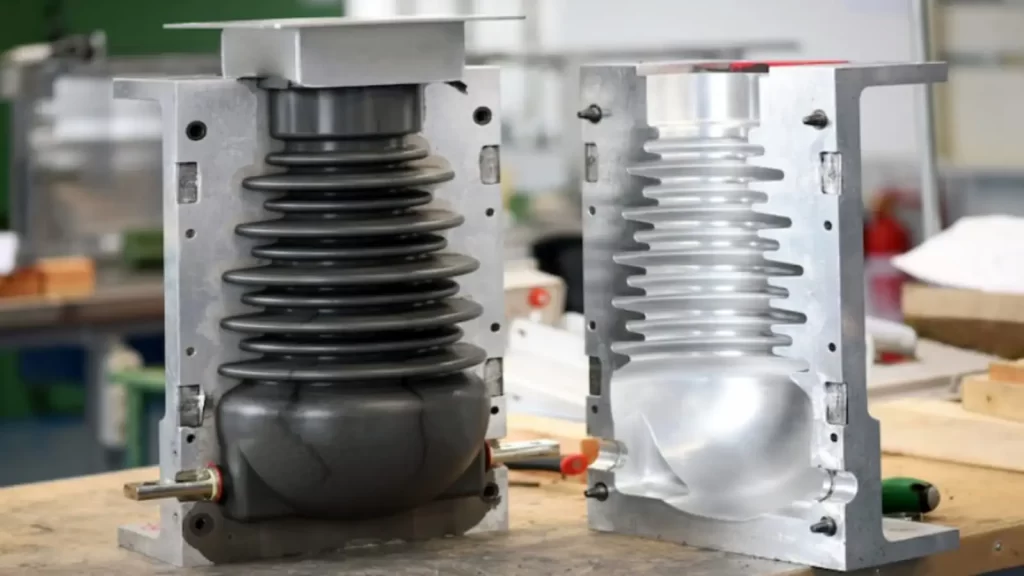
Electronic compression moulds are specialized moulds used for manufacturing electrical and electronic components such as switch housings, plug tops, connectors, circuit breaker parts, and other insulating components. These moulds are designed to produce high-precision parts using thermosetting materials like phenolic, melamine, or epoxy resins that can withstand heat, electrical stress, and mechanical load.
Working Principle
In the compression moulding process, a pre-measured amount of moulding compound (called a “charge”) is placed directly into the heated mould cavity. The mould is then closed under high pressure using a hydraulic press. Heat and pressure together cause the material to soften, flow, and take the shape of the cavity. Once cured, the mould opens and the finished electronic component is ejected.
Materials Used for Moulds
Electronic compression moulds are generally made from durable tool steels that can withstand high temperature and pressure cycles. Common materials include:
P20 Steel – Pre-hardened mould steel, good for moderate production runs.
H13 Steel – Hot-work tool steel with excellent heat resistance and dimensional stability.
S7 Steel – Shock-resistant tool steel used for high-impact moulding conditions.
Stainless Steel (420, 440C) – Used for corrosion resistance and fine surface finish.
Beryllium Copper Inserts – Often used in areas needing rapid heat transfer and cooling.
Typical Mould Design Features
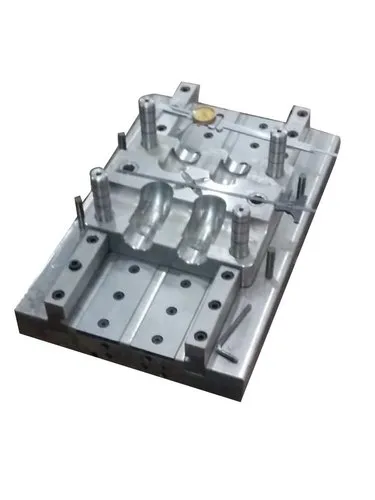
Cavity and Core: Precisely machined to form the shape of the final component.
Heater Plates: Electric heaters are embedded to maintain uniform temperature.
Ejector System: Helps in easy removal of the cured product.
Guide Pillars and Bushes: Maintain alignment between cavity and core halves.
Insulation Plates: Prevents heat loss and ensures uniform curing of thermoset materials.
Materials Moulded
Electronic compression moulds are typically used for thermosetting plastics, such as:
Phenolic Resins (Bakelite)
Melamine Formaldehyde
Epoxy Moulding Compounds (EMC)
Urea Formaldehyde
These materials offer excellent electrical insulation, high surface hardness, and dimensional stability.
Applications
Electrical switches and sockets
Plug tops and connectors
Circuit breaker housings
Coil bobbins and fuse holders
Insulating plates and terminal blocks
Advantages
Suitable for high-strength thermosetting materials
Excellent dimensional accuracy and surface finish
High repeatability and consistency in production
Low material wastage compared to other methods
Good for medium to high production volumes
Conclusion
Electronic compression moulds play a vital role in the electrical and electronics industry, enabling the production of precision insulating components that ensure safety, reliability, and performance. The use of high-quality mould materials and accurate temperature-pressure control are essential for achieving optimal results.