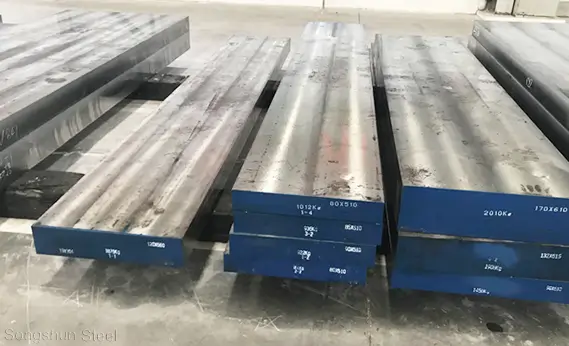
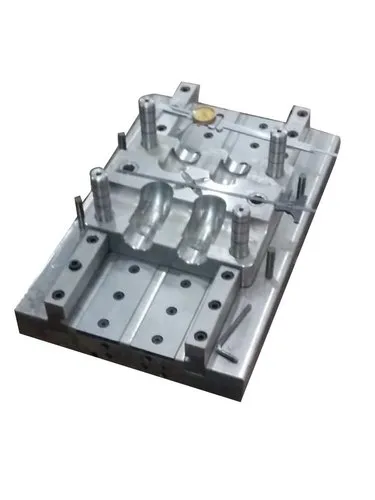
Automobile moulds are used extensively in the manufacturing of vehicle components such as bumpers, dashboards, lighting parts, and interior panels. The performance, durability, and precision of these moulds largely depend on the type of material used for their construction. Selecting the right mould material ensures better surface finish, longer life, and cost-effectiveness in production.
Below are some of the commonly used materials for automobile moulds:
1. P20 Steel (Pre-hardened Tool Steel)
Composition: Medium-carbon, low-alloy tool steel
Hardness: Typically 28–32 HRC
Key Features:
Good machinability and polishability
Uniform hardness through the cross-section
Excellent toughness and dimensional stability
Pre-hardened, eliminating the need for post-machining heat treatment
Applications:
Widely used for plastic injection moulds and die-casting dies
Ideal for medium-volume production such as car bumpers, interior panels, and instrument clusters
2. H13 Steel (Hot Work Tool Steel)
Composition: Chromium–molybdenum–vanadium alloy
Hardness: 44–52 HRC (after heat treatment)
Key Features:
High resistance to thermal fatigue and heat checking
Excellent toughness and wear resistance at high temperatures
Suitable for both hot and cold work applications
Applications:
Used for die-casting moulds, forging dies, and high-temperature plastic moulds
Suitable for components that experience repeated heating and cooling cycles
3. S7 Steel (Shock-Resistant Tool Steel)
Composition: Chromium–molybdenum alloy steel
Hardness: 54–56 HRC
Key Features:
High impact resistance and toughness
Good machinability in annealed condition
Moderate wear resistance
Applications:
Suitable for moulds and dies subjected to heavy impact loads, such as stamping or forming dies
4. NAK80 Steel (Pre-hardened Mirror Finish Steel)
Composition: Nickel alloy steel
Hardness: 37–43 HRC
Key Features:
Excellent polishability and mirror-like surface finish
Good machinability and dimensional stability
Pre-hardened, eliminating additional heat treatment
Applications:
Ideal for plastic moulds requiring high surface finish, such as light covers and decorative interior parts
5. 718 Steel (Modified P20)
Composition: Nickel–chromium–molybdenum alloy steel
Hardness: 33–36 HRC
Key Features:
Improved toughness, corrosion resistance, and polishability over P20
Good wear resistance and easy to machine
Applications:
Used for high-quality plastic injection moulds for automotive exterior parts and precision components
6. Stainless Steel (e.g., 420, 440C)
Composition: High-chromium stainless tool steels
Hardness: 48–55 HRC
Key Features:
Excellent corrosion resistance
Good wear resistance and polishability
Suitable for processing corrosive plastics
Applications:
Used for moulds exposed to moisture or corrosive gases during processing
7. Aluminum Alloys (e.g., 7075, 6061)
Hardness: Relatively low (100–150 HB)
Key Features:
Lightweight and easy to machine
Good thermal conductivity for faster cooling cycles
Limited wear resistance
Applications:
Used for prototype or low-volume production moulds where quick turnaround is required
Conclusion
The choice of mould material in the automobile industry depends on production volume, mould design complexity, surface finish requirement, and budget.
P20 is preferred for general-purpose moulds.
H13 is ideal for high-temperature or high-stress applications.
NAK80 and 718 are chosen for superior surface finishes.
Aluminum suits prototype moulds requiring fast delivery.
Selecting the right mould material ensures longer tool life, consistent product quality, and reduced maintenance costs in automobile manufacturing.