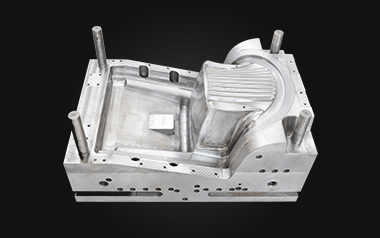
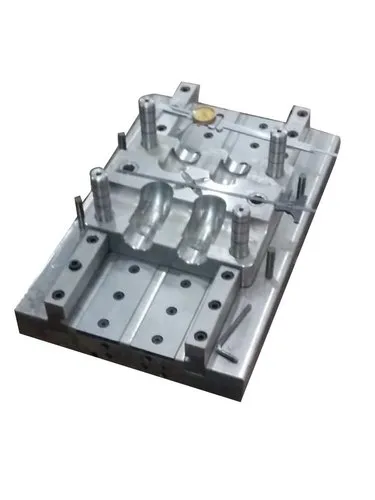
Quality control (QC) is a vital aspect of furniture mould production, ensuring that every mould meets the required standards of accuracy, durability, and performance. Since moulds directly determine the quality and consistency of plastic furniture products, a rigorous quality control system helps maintain product reliability and production efficiency.
1. Importance of Quality Control
In furniture mould manufacturing, quality control ensures:
Dimensional accuracy and surface finish of mould cavities.
Consistent product weight and strength.
Extended mould life and reduced downtime.
Minimization of rework, waste, and defects in moulded furniture parts.
A strong QC framework ultimately enhances customer satisfaction and optimizes production costs.
2. Key Stages of Quality Control
a. Raw Material Inspection
Verification of steel grade, hardness, and composition (commonly P20, H13, or 2316).
Checking for internal defects such as cracks or impurities using ultrasonic or magnetic particle testing.
Ensuring material certification and traceability.
b. Design Validation
CAD and simulation analysis to identify potential design flaws.
Flow analysis (Moldflow) to predict filling patterns, shrinkage, and warpage.
Checking tolerances and fitting of mould components before machining.
c. Machining and Manufacturing Checks
In-process inspection during CNC machining, EDM, and polishing stages.
Dimensional verification using Coordinate Measuring Machines (CMM) and precision gauges.
Surface roughness measurement to ensure required texture or gloss level.
d. Assembly and Functional Testing
Trial fitting of mould components for alignment and sealing.
Hydraulic or pneumatic system testing for leaks or pressure stability.
Electrical and temperature control system verification for hot runner moulds.
e. Mould Trial and Product Validation
Conducting mould trials on injection moulding machines.
Checking sample furniture parts for dimensions, weight, shrinkage, and surface finish.
Adjusting mould parameters or polishing as per test results.
3. Common Quality Control Tools and Techniques
CMM (Coordinate Measuring Machine) for dimensional accuracy.
Hardness and Roughness Testers for surface and material verification.
SPC (Statistical Process Control) for process consistency.
Mould Qualification Reports and PPAP (Production Part Approval Process) for documentation and traceability.
4. Continuous Improvement in QC
Manufacturers implement continuous improvement strategies such as:
ISO 9001 Quality Management Systems for standardization.
Root Cause Analysis (RCA) and Corrective Action Reports (CAR) for defect prevention.
Employee training on precision machining and inspection methods.
Integration of digital QC systems and AI-based monitoring to predict defects early.
5. Benefits of Effective Quality Control
Reduced rejection rates in furniture production.
Consistent product aesthetics and durability.
Enhanced mould lifespan and performance.
Improved customer trust and brand reputation.
Conclusion
Quality control in furniture mould production is not just about inspection—it is a holistic process that integrates design validation, precision manufacturing, and continuous improvement. With the growing demand for high-quality plastic furniture, robust QC systems ensure that moulds deliver consistent, defect-free, and cost-efficient production.