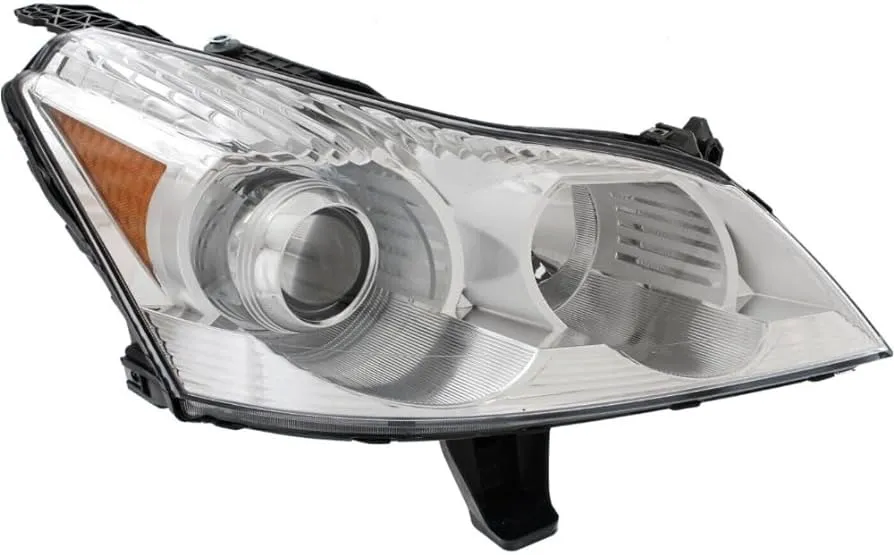
Lighting systems such as headlamps, taillights, and indicator lamps are essential components of automotive design, contributing to both functionality and aesthetics. The moulding process used for these components must ensure high optical clarity, dimensional precision, and resistance to environmental factors like heat, moisture, and UV radiation.
1. Introduction
Automotive lighting systems are increasingly complex, incorporating multiple materials and precise geometries. Modern moulding technologies enable the mass production of lenses, reflectors, and housings that meet stringent performance and design standards. Both injection moulding and multi-shot moulding are extensively used for these applications.
2. Materials Used
The selection of materials plays a crucial role in achieving optical performance, durability, and thermal stability.
Polycarbonate (PC): Commonly used for headlamp and taillight lenses due to its excellent optical clarity, impact resistance, and heat tolerance.
Acrylonitrile Butadiene Styrene (ABS): Used for lamp housings because of its strength, toughness, and dimensional stability.
Polymethyl Methacrylate (PMMA): Preferred for its superior transparency and scratch resistance, often used for high-end taillight lenses.
Polybutylene Terephthalate (PBT): Used in reflective parts for its high heat resistance and good electrical insulation properties.
3. Mould Design Considerations
Lighting system components require complex moulds with high precision. Key design aspects include:
Optical Surface Finish: The mould cavity for lens components must be highly polished to achieve optical-grade clarity.
Venting: Proper venting is necessary to avoid air traps that can distort light output or cause blemishes.
Temperature Control: Uniform temperature distribution ensures consistent wall thickness and dimensional accuracy.
Parting Line Management: Strategically placed to avoid optical distortion in visible areas.
Multi-Cavity and Multi-K Designs: Used for producing different parts (lens, housing, reflector) in a single cycle, improving productivity.
4. Moulding Process
Injection Moulding: The primary process for producing lenses and housings. Precise control of temperature, injection pressure, and cooling is essential for optical components.
Multi-Shot Moulding: Enables the integration of multiple materials (e.g., lens and seal) into a single component.
Gas-Assisted Moulding: Used for larger parts to reduce weight and prevent sink marks.
Insert Moulding: Inserts such as metal brackets or LED holders are moulded within the plastic housing to improve functionality.
5. Quality Control and Testing
Lighting components undergo stringent quality checks to ensure performance and safety.
Optical Inspection: To verify clarity, surface finish, and absence of flow marks.
Dimensional Accuracy: Checked using coordinate measuring machines (CMM).
Thermal and UV Aging Tests: To assess long-term durability under real-world conditions.
Impact and Vibration Tests: To ensure structural integrity during vehicle operation.
6. Technological Advancements
Precision Tooling with CNC and EDM: Enables ultra-smooth mould surfaces for optical-grade finishes.
Simulation Software: Mould flow analysis helps predict warpage, shrinkage, and optical distortion.
LED Integration: Moulding designs now accommodate LED modules, heat sinks, and wiring channels.
Automation and Robotics: Used for part handling, polishing, and assembly to enhance productivity and reduce human error.
7. Applications
Headlamp Assemblies: Complex lens geometries, reflector bowls, and housings.
Taillight Units: Multi-color lens moulding with optical texture patterns.
Signal Lamps: Compact, durable designs with high transparency and color consistency.
8. Conclusion
The moulding of automotive lighting systems demands high precision, advanced materials, and superior surface quality. With evolving technologies such as LED and adaptive lighting, the moulding process continues to advance, offering improved efficiency, design flexibility, and optical performance. High-quality moulds are the backbone of modern automotive lighting solutions, ensuring safety, style, and durability.