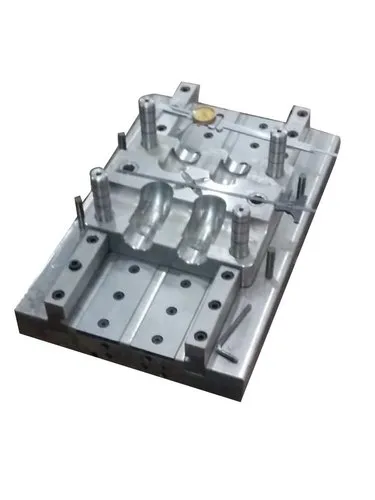
In modern moulding and manufacturing systems, real-time monitoring with embedded electronics plays a crucial role in ensuring precision, productivity, and reliability. By integrating sensors, microcontrollers, and communication modules directly into the moulds and machines, manufacturers can continuously track and control critical parameters throughout the production process.
1. Concept Overview
Real-time monitoring involves the continuous collection, processing, and analysis of data from embedded electronic components during moulding operations. These components are strategically placed within the moulds or machinery to observe temperature, pressure, flow rate, cycle time, and other key variables in real time.
Embedded systems process this data on-site or transmit it to a central monitoring unit, allowing operators to make immediate adjustments.
2. Key Components of Embedded Monitoring Systems
Sensors: Measure real-time parameters such as mould temperature, cavity pressure, material viscosity, and humidity.
Microcontrollers / Embedded Chips: Process the sensor data locally, filter noise, and trigger alerts when deviations occur.
Data Transmission Units: Use wired or wireless communication (Ethernet, Wi-Fi, Bluetooth, or IoT protocols) to send data to control systems or cloud servers.
Human–Machine Interface (HMI): Provides real-time dashboards for operators to visualize production conditions and trends.
Cloud/Edge Analytics: Store, analyze, and compare long-term data for performance insights and predictive maintenance.
3. Advantages of Real-Time Monitoring
Improved Product Quality: Immediate detection of abnormalities ensures consistent mould filling and cooling, reducing defects like warping or voids.
Reduced Downtime: Early detection of process variations or component wear enables faster corrective actions.
Energy Efficiency: Monitoring allows optimization of cycle times and machine settings, minimizing energy waste.
Data-Driven Decision Making: Continuous data collection helps in process optimization, predictive maintenance, and traceability.
Enhanced Automation: Integration with PLCs and AI-based control systems enables self-correcting manufacturing processes.
4. Applications in Moulding Systems
Injection Moulding: Sensors inside the mould measure cavity pressure and temperature for precise control of polymer flow.
Blow Moulding: Embedded electronics track wall thickness and air pressure during bottle formation.
Compression and Transfer Moulding: Real-time heat and pressure data ensure consistent curing and dimensional stability.
Smart Moulds: Moulds equipped with microchips and IoT connectivity can communicate their health status and performance metrics automatically.
5. Challenges and Considerations
Sensor Durability: Sensors must withstand high temperature, pressure, and chemical exposure within moulds.
Signal Interference: Electrical noise can affect data accuracy; shielding and filtering are required.
Data Management: Large volumes of data require efficient storage and interpretation mechanisms.
Integration Costs: Embedding electronics increases initial costs but provides long-term benefits through reduced scrap and downtime.
6. Future Trends
The future of real-time monitoring in moulding lies in the integration of AI and IoT technologies. Intelligent algorithms can predict failures before they occur, while cloud-connected systems will allow remote supervision and control. Additionally, miniaturized sensors and wireless embedded modules will make real-time monitoring more accessible across diverse manufacturing environments.
Conclusion
Real-time monitoring with embedded electronics revolutionizes moulding by providing immediate visibility into process conditions. It transforms traditional manufacturing into a smart, data-driven system, ensuring superior quality, efficiency, and reliability. As technology advances, these systems will become a standard feature in the next generation of smart moulds and industrial automation.