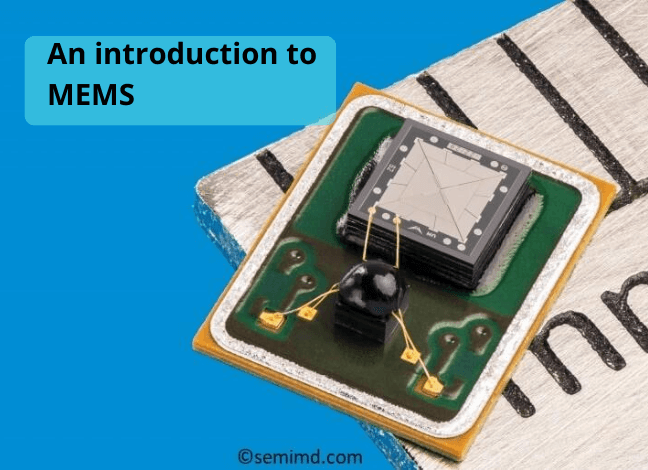
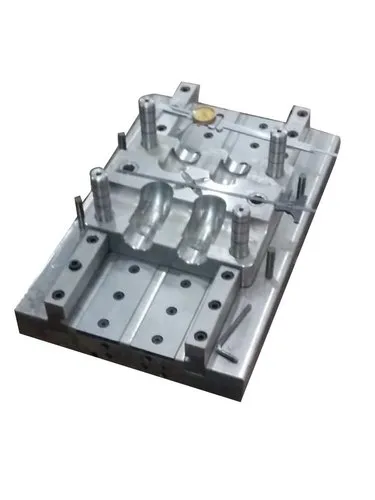
Micro-Electro-Mechanical Systems (MEMS) technology has emerged as a revolutionary integration of mechanical elements, sensors, actuators, and electronics on a common silicon substrate. In electronic mould applications, MEMS play a crucial role in enhancing precision, monitoring performance, and improving automation during moulding and production processes. The adoption of MEMS enables real-time data acquisition, advanced control, and predictive maintenance, which are vital for achieving high-quality and efficient moulding operations.
1. Role of MEMS in Mould Technology
MEMS devices are miniature sensors and actuators capable of detecting and responding to changes in physical parameters within a mould system. They can measure:
Pressure and Temperature: MEMS pressure and thermal sensors embedded in mould cavities provide real-time feedback on moulding conditions.
Vibration and Strain: MEMS accelerometers and strain gauges help monitor the mechanical stress and vibration of the mould to prevent deformation or damage.
Flow and Position: MEMS flow sensors ensure proper material distribution, while position sensors track the movement of mould parts for precision alignment.
These capabilities allow mould operators to maintain consistent product quality, reduce cycle times, and detect defects early in the process.
2. Integration of MEMS with Electronic Mould Systems
In electronic mould systems, MEMS sensors are integrated through microcontrollers or IoT-enabled devices. The integration provides:
Data Acquisition and Control: Continuous collection and transmission of data from sensors to the central control unit.
Closed-Loop Feedback: Automated adjustments in moulding parameters (pressure, temperature, injection speed) based on sensor readings.
Miniaturization and Low Power Consumption: MEMS devices are small and consume minimal power, making them ideal for compact mould designs.
This integration forms the backbone of smart moulding systems, where moulds can “self-regulate” and optimize performance dynamically.
3. Advantages of Using MEMS in Mould Applications
High Precision: Real-time sensing ensures tight tolerance control and consistent product quality.
Predictive Maintenance: MEMS sensors detect anomalies such as pressure surges, overheating, or mechanical wear before failure occurs.
Cost Efficiency: Reduced waste, downtime, and manual inspection lead to lower operational costs.
Enhanced Productivity: Optimized moulding parameters improve cycle efficiency and product output.
Digital Connectivity: MEMS data supports integration with Industry 4.0 systems and cloud-based analytics for remote monitoring.
4. Applications in Different Moulding Sectors
Automotive Moulds: Monitoring thermal uniformity in bumper and dashboard moulds to ensure dimensional stability.
Electronics Moulds: Ensuring defect-free overmoulding of sensors, connectors, and circuit housings.
Medical and Precision Moulding: Achieving exact replication of microstructures and ensuring clean-room compatibility.
Plastic Furniture and Consumer Goods: Maintaining uniform pressure distribution for smooth surface finishes.
5. Future Trends
As MEMS technology continues to evolve, future moulding systems will likely feature:
Wireless Sensor Networks (WSNs): Cable-free MEMS sensors communicating via Bluetooth or LoRa for flexible mould setups.
AI-Based Analysis: Machine learning algorithms processing MEMS data to predict mould performance and optimize parameters automatically.
Self-Diagnostic Moulds: Moulds equipped with embedded MEMS arrays that can detect, report, and even compensate for internal faults.
Conclusion
The integration of MEMS technology into electronic mould applications represents a significant leap toward smarter, more efficient, and predictive manufacturing systems. By providing precise, real-time insights into mould conditions, MEMS enable greater control, reliability, and innovation in modern mould design and production processes.