Plastic table moulds have evolved significantly over the years, reflecting advancements in mould-making technology, material science, and aesthetic preferences. The design and trend evolution focuses not only on visual appeal but also on functionality, durability, and cost-efficiency in mass production.
1. Overview of Plastic Table Moulds
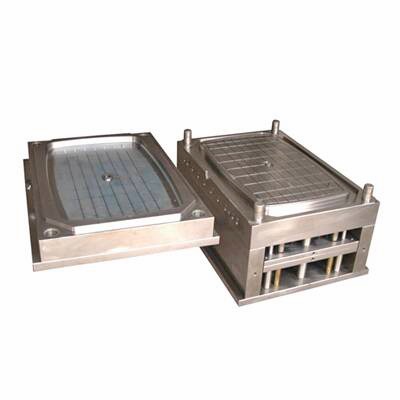
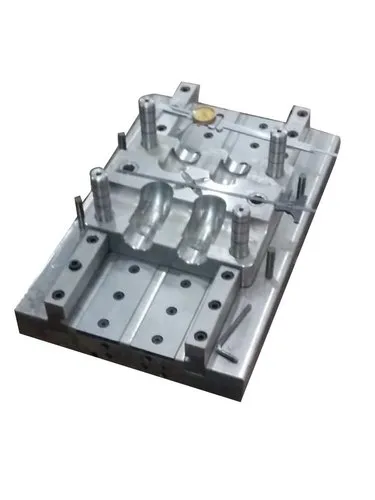
Plastic table moulds are precision-engineered tools used to manufacture tables of various shapes, sizes, and purposes through injection moulding or blow moulding processes. These moulds ensure uniformity, surface quality, and structural strength in the finished product. They are typically made from high-grade tool steel or hardened stainless steel to withstand repeated production cycles.
2. Key Design Considerations
Modern mould design for plastic tables involves several technical and functional aspects:
Aesthetic Appeal: Moulds are designed with intricate surface patterns, wood textures, or modern geometric finishes to enhance visual appeal.
Structural Integrity: Reinforcement ribs and optimized wall thickness are incorporated to balance strength and weight.
Ease of Assembly: Modular mould designs allow for interchangeable inserts, making it easier to produce tables of varying sizes or designs using the same base mould.
Efficient Cooling Systems: Advanced cooling channel designs improve cycle times and reduce production costs.
Ergonomic Features: Edge designs, leg shapes, and surface ergonomics are integrated to improve user comfort and stability.
3. Popular Design Trends
The latest trends in plastic table moulds reflect changing customer preferences and manufacturing innovations:
a. Minimalist and Sleek Designs:
Simple, clean lines with smooth surfaces and neutral colors dominate the market, catering to modern home and office environments.b. Multi-Functional Tables:
Designs that combine aesthetics with utility—such as foldable, stackable, or adjustable-height tables—are becoming increasingly popular.c. Textured and Patterned Finishes:
Moulds with laser-engraved textures that replicate natural materials like wood or stone are trending for both indoor and outdoor furniture.d. Lightweight and Eco-Friendly Models:
The use of lightweight mould designs compatible with recyclable polymers (like PP and HDPE) supports sustainability and easy portability.e. Smart Integration:
Emerging designs include provisions for electronic accessories such as embedded charging ports, cable slots, or modular attachments for smart furniture systems.
4. Technological Advancements in Mould Design
CAD/CAM and Simulation Tools: Advanced software ensures precision in design, reduces errors, and predicts potential mould flow issues before production.
3D Printing for Prototyping: Additive manufacturing is used to create prototype models of table components for testing before full-scale mould creation.
Hot Runner Systems: Improve material flow and reduce waste, making production more efficient.
Durable Surface Coatings: Use of PVD, nickel, or chromium coatings enhances mould life and ensures a superior finish on the product surface.
5. Future Trends
The future of plastic table mould designs will continue to emphasize sustainability, modularity, and digital integration. The industry is moving toward AI-assisted mould design, predictive maintenance, and the use of biodegradable or recycled materials, aligning with global environmental standards and smart manufacturing practices.
Conclusion
Plastic table mould designs are no longer limited to simple utility; they now combine technology, design aesthetics, and sustainability. The ongoing innovations in mould-making processes and material science are setting new benchmarks for durability, versatility, and style in modern furniture production.