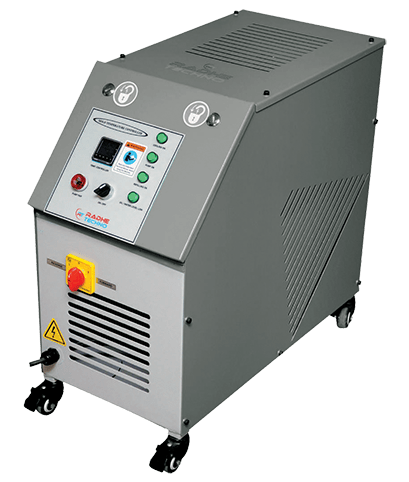
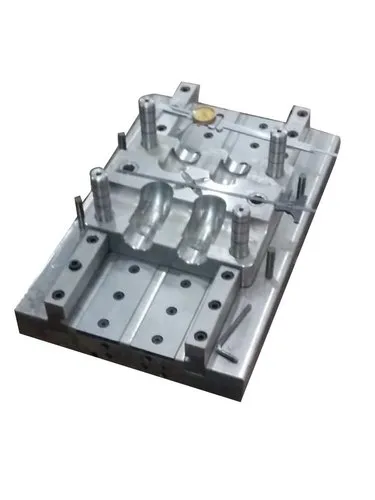
In modern moulding systems, maintaining precise temperature control is crucial for achieving high-quality, consistent, and efficient production. Electronic temperature control in moulds ensures that the mould temperature remains stable throughout the manufacturing process, directly influencing product quality, cycle time, and energy efficiency. This technology integrates electronic sensors, controllers, and heating/cooling systems to automate temperature regulation in real-time.
Importance of Temperature Control in Moulding
Temperature variations can significantly affect the performance and final quality of moulded parts. Proper temperature control:
Prevents defects such as warping, shrinkage, and surface irregularities.
Ensures uniform material flow and solidification.
Reduces cycle times by optimizing cooling and heating phases.
Extends mould life by avoiding thermal stresses and uneven expansion.
Improves energy efficiency through precise control rather than manual intervention.
Components of Electronic Temperature Control System
Temperature Sensors (Thermocouples / RTDs):
These sensors continuously monitor the mould temperature and send feedback to the controller.Temperature Controllers (PID Controllers):
The control unit processes sensor data and adjusts heating or cooling accordingly to maintain the set temperature.Heating Elements:
Embedded electric heaters or cartridge heaters provide uniform heat to the mould surfaces.Cooling Channels and Valves:
Controlled circulation of coolant (usually water or oil) removes excess heat to maintain stable mould temperatures.Communication Interface:
Modern systems integrate digital interfaces for real-time data exchange, allowing remote monitoring and adjustments.
Working Principle
Electronic temperature control operates on a feedback loop mechanism. Sensors detect the actual mould temperature and transmit data to the controller. The controller compares this with the setpoint temperature and regulates heating or cooling devices to minimize deviation. Advanced systems use PID (Proportional-Integral-Derivative) algorithms for precise adjustments, ensuring minimal overshoot and stable control.
Advantages of Electronic Temperature Control
High Precision: Maintains consistent mould temperature within narrow tolerances.
Improved Product Quality: Ensures dimensional accuracy and surface finish.
Automation and Monitoring: Enables integration with smart mould systems for real-time diagnostics.
Energy Efficiency: Reduces energy consumption through optimized heating and cooling cycles.
Reduced Maintenance: Prevents thermal fatigue and extends component life.
Applications
Electronic temperature control is widely used in:
Injection Moulding of automotive, medical, and consumer parts.
Compression and Blow Moulding operations requiring stable thermal conditions.
Smart Mould Systems integrated with IoT for predictive maintenance and performance tracking.
Future Trends
With advancements in Industry 4.0 and IoT, electronic temperature control systems are becoming smarter and more connected. Future systems will incorporate:
AI-based predictive control for optimal energy usage.
Cloud-connected temperature monitoring dashboards.
Self-learning algorithms that adapt to different materials and production conditions.
Conclusion
Electronic temperature control in moulds plays a vital role in enhancing moulding accuracy, efficiency, and product quality. By combining advanced sensors, intelligent controllers, and digital connectivity, manufacturers can achieve consistent thermal stability and optimized production performance. This technology is an essential step toward smart and sustainable moulding operations.