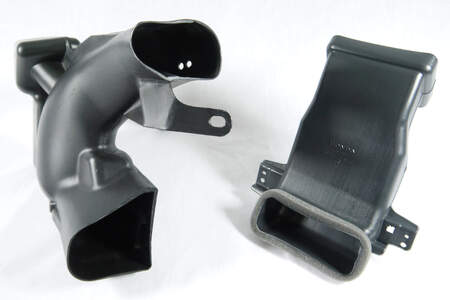
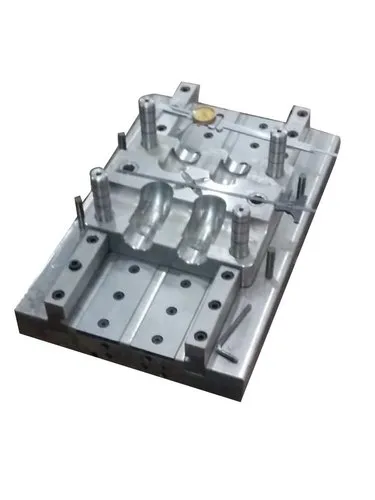
Automotive HVAC (Heating, Ventilation, and Air Conditioning) systems are vital for maintaining cabin comfort and air quality. These systems consist of numerous precision-engineered plastic components such as air ducts, blower housings, vents, evaporator covers, and control panels. The manufacturing of these parts relies heavily on high-performance moulds that ensure dimensional accuracy, durability, and seamless assembly in the vehicle’s HVAC unit.
Key HVAC Components Manufactured Using Moulds
Air Ducts and Channels – Complex-shaped ducts direct airflow within the cabin. Moulds for these parts must handle intricate geometries and thin-wall sections to minimize weight.
Blower and Fan Housings – These components demand high mechanical strength and vibration resistance. Precision moulds ensure smooth surfaces and tight tolerances for balanced fan operation.
Evaporator and Heater Covers – Designed to enclose coils and filters, these parts require moulds capable of producing airtight seals and accurate fittings.
Air Vents and Registers – Aesthetic and functional elements that require high surface finish, dimensional stability, and click-fit accuracy.
HVAC Control Panels – Often produced using multi-shot moulds for integrating transparent windows, buttons, and decorative trims.
Material Considerations
Moulds for HVAC components are typically designed to process engineering thermoplastics such as:
ABS (Acrylonitrile Butadiene Styrene) – for strength and finish quality
PP (Polypropylene) – for lightweight and cost-effectiveness
PA6/PA66 (Nylon) – for components exposed to heat and vibration
PC/ABS blends – for control interfaces with superior aesthetics and toughness
The mould materials themselves are usually hardened tool steels (P20, H13, or 1.2344) to withstand repetitive production cycles and high thermal loads.
Mould Design Features
Complex Core-Cavity Structures for multi-directional airflow paths
Multi-Cavity Moulds to optimize production efficiency
Hot Runner Systems to reduce material waste and ensure uniform melt flow
Insert Moulding for integrating metal inserts or electronic components
Venting Channels and Cooling Systems to maintain consistent part quality and minimize warpage
Precision and Quality Requirements
Automotive HVAC components must meet strict standards for:
Dimensional Accuracy: Ensures proper assembly with ducts and dashboard modules.
Surface Finish: Smooth internal surfaces for efficient airflow and noise reduction.
Thermal Resistance: Stability under fluctuating cabin and engine temperatures.
Low Noise and Vibration: Achieved through balanced mould design and precision tooling.
Advanced Manufacturing Technologies
Modern HVAC component moulds incorporate technologies such as:
CAD/CAM/CAE Simulation for airflow optimization and mould-flow analysis
CNC and EDM Machining for complex geometries
3D Printing and Rapid Tooling for prototype validation
Automated Ejection Systems for improved production speed and consistency
Applications
Moulded HVAC components are found across all vehicle categories:
Passenger Cars (dashboard vents, ducts, blower assemblies)
Commercial Vehicles (heavy-duty air distribution units)
Electric Vehicles (compact and energy-efficient HVAC modules)
Conclusion
Precision-engineered moulds for HVAC components play a crucial role in ensuring performance, comfort, and efficiency in modern automobiles. With the rise of lightweight materials, smart climate control systems, and electric vehicle integration, mould technology continues to evolve — emphasizing high precision, automation, and sustainability in automotive HVAC manufacturing.