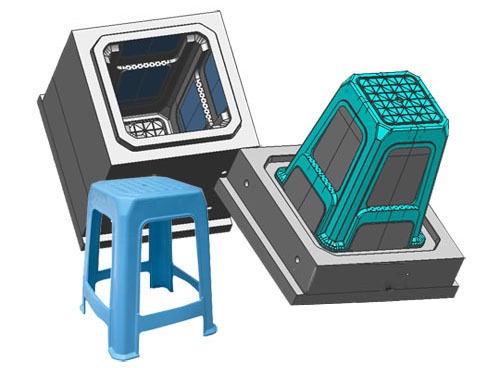
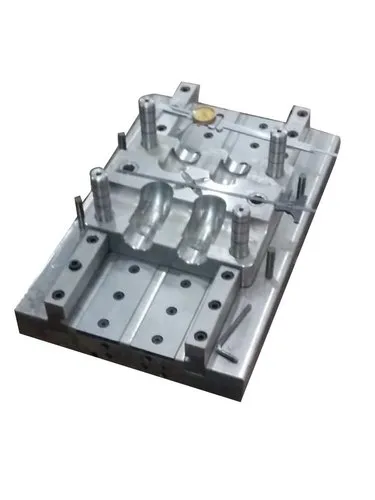
Plastic stool moulds are designed to produce lightweight, sturdy, and space-efficient seating solutions used in homes, offices, schools, and commercial environments. These moulds are engineered to ensure high precision, dimensional accuracy, and consistent quality in every production cycle, making them essential in the plastic furniture manufacturing industry.
1. Design Features
Plastic stool moulds are created with a focus on compactness and durability. The design ensures:
Compact Structure: Enables efficient stacking and easy storage, which is especially useful for domestic and institutional use.
Ergonomic Form: Smooth edges and comfortable seating surfaces enhance user experience.
Structural Strength: Reinforced rib designs and optimized wall thickness provide strength while keeping weight low.
Aesthetic Appeal: Moulds can incorporate textures, patterns, or brand logos for a stylish finish.
2. Materials Used
High-quality materials are chosen for both the mould and the end product:
Mould Material: P20, 718, or H13 grade steel is commonly used for long-lasting performance and wear resistance.
Plastic Material: Polypropylene (PP) or Acrylonitrile Butadiene Styrene (ABS) is typically used for stools due to their impact resistance, lightweight nature, and color versatility.
3. Manufacturing Process
Plastic stools are generally produced using injection moulding technology, which ensures high-speed production and precision. The process includes:
Injection of molten plastic into the mould cavity.
Cooling and solidification to achieve dimensional accuracy.
Ejection of the finished stool without deformation or flash.
4. Key Advantages
Durability: Resistant to cracking, deformation, and weather effects.
Cost-Effective: Low production cost and minimal maintenance requirements.
Lightweight & Portable: Easy to move and handle, ideal for everyday use.
Customizable: Available in various colors, heights, and designs to suit diverse market needs.
Stackable: Compact design allows efficient storage and transportation.
5. Applications
Plastic stools produced from these moulds are widely used in:
Households and outdoor spaces
Cafeterias and schools
Hospitals and industrial settings
Commercial and event furniture setups
6. Quality Considerations
For long mould life and consistent product quality, manufacturers emphasize:
Proper mould polishing and venting.
Use of corrosion-resistant materials.
Regular maintenance and lubrication of moving parts.
Conclusion:
Plastic stool moulds combine functionality, compactness, and durability, meeting the growing demand for affordable and versatile furniture. Their efficient design, long service life, and adaptability make them a vital component in the plastic moulding industry, supporting both mass production and customized stool manufacturing.