Mould manufacturing is a precise and multi-stage process that transforms design concepts into high-quality production tools for shaping plastic, metal, or composite materials. Each stage demands careful attention to detail, accuracy, and technological expertise to ensure consistent performance and long service life of the mould. The following are the key steps involved in the mould manufacturing process:
1. Requirement Analysis and Concept Development
The process begins with understanding the product’s requirements — including dimensions, material type, surface finish, and production volume. Based on these parameters, the mould design team determines the type of mould (injection, blow, compression, etc.) and the number of cavities required. This stage lays the foundation for all further design and manufacturing activities.
2. 3D Modelling and Mould Design
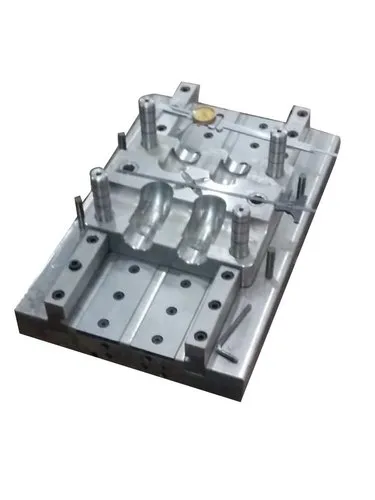
Using advanced CAD software, engineers create a detailed 3D model of the mould. The design includes key features such as the core, cavity, cooling channels, ejector system, and gating mechanism. Design validation through simulation tools (like Moldflow or SolidWorks) helps predict material flow, shrinkage, and potential defects before actual production begins.
3. Material Selection
Selecting the right material is critical for mould durability and performance. Tool steels such as P20, H13, or stainless steel are commonly chosen depending on the production requirements, surface hardness, and corrosion resistance. Proper material selection ensures that the mould can withstand high temperatures and pressures during operation.
4. CNC Machining and EDM Operations
Once the design is finalized, the mould components are manufactured using precision machining techniques. CNC milling, turning, drilling, and grinding operations shape the mould’s core and cavity. Electrical Discharge Machining (EDM) is used for intricate shapes and fine detailing that cannot be achieved through conventional machining.
5. Heat Treatment
Heat treatment is applied to improve the hardness, wear resistance, and overall strength of the mould material. This process enhances the mould’s ability to withstand repeated cycles without deformation or surface damage, extending its service life.
6. Polishing and Surface Finishing
After machining and heat treatment, the mould cavity and core are polished to achieve the required surface finish — from high-gloss mirror surfaces to textured patterns. Proper polishing ensures easy part release and enhances the visual quality of the final product.
7. Assembly and Fitting
All the machined components — including cores, cavities, ejector pins, cooling systems, and guide pillars — are carefully assembled. Fitting and alignment checks are performed to ensure smooth and accurate operation of the mould.
8. Trial Run and Testing
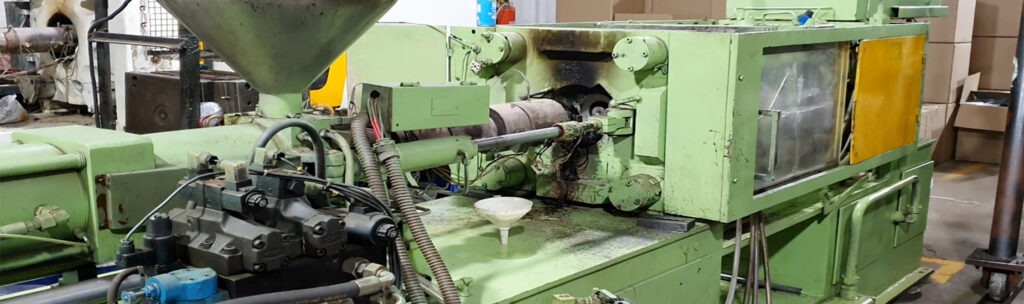
The assembled mould is tested on an injection or compression moulding machine to verify its performance. Trial runs help identify issues such as flash, short shots, or parting line mismatches. Based on the results, fine-tuning or reworking may be done to achieve the desired output.
9. Quality Inspection
Each component and final mould undergo strict dimensional and functional inspection using precision measuring instruments like CMM (Coordinate Measuring Machine). Quality assurance ensures that the mould meets all specified tolerances and production standards.
10. Delivery and Maintenance Planning
After final approval, the mould is delivered to the customer along with documentation, design files, and maintenance guidelines. Proper maintenance schedules — including regular cleaning, lubrication, and inspection — are crucial for extending the mould’s operational life.
Conclusion
The mould manufacturing process is a blend of design innovation, engineering precision, and skilled craftsmanship. Following a structured and well-controlled process ensures that each mould delivers consistent performance, high productivity, and long-term reliability in mass production environments.