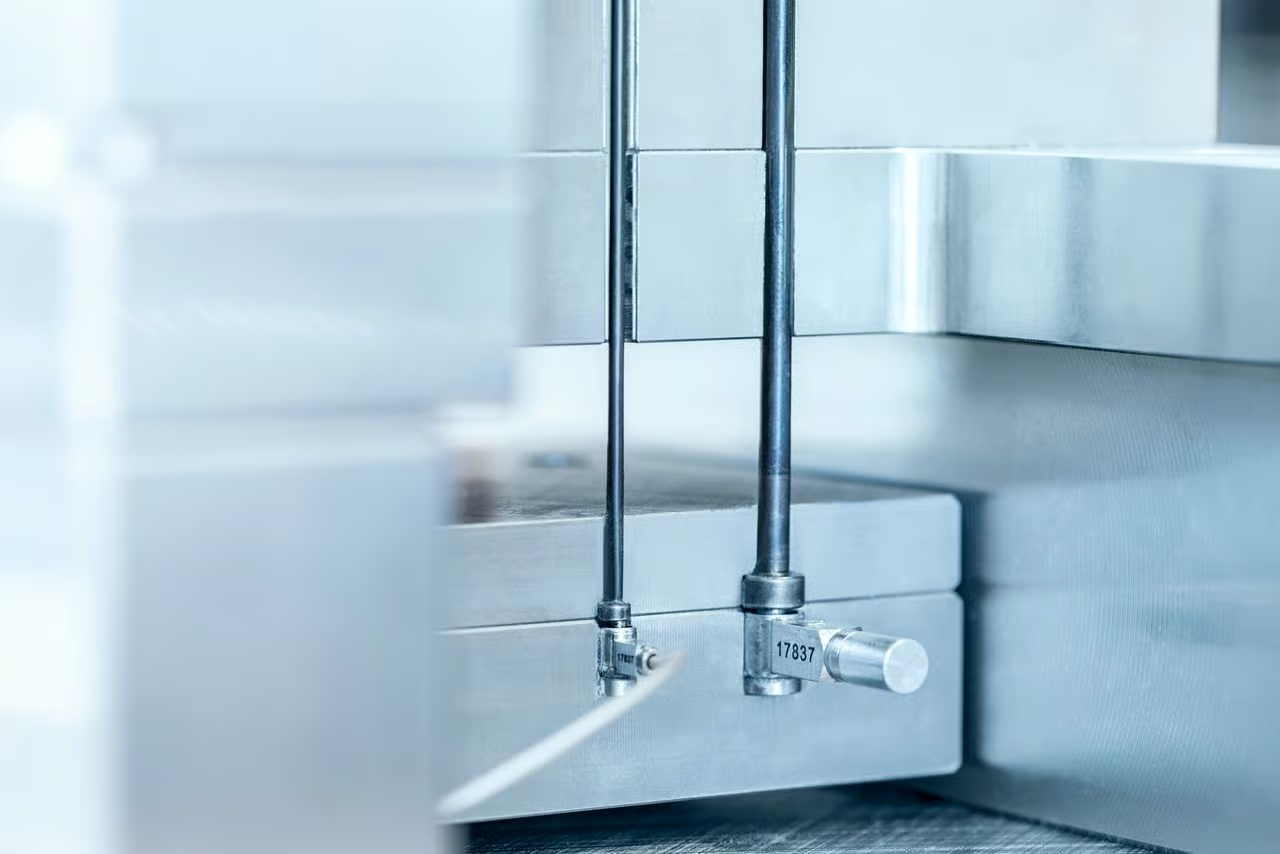
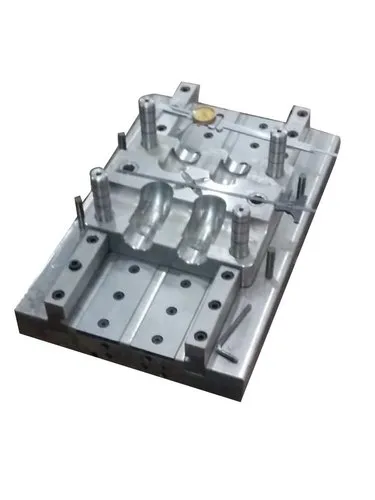
Pressure sensors play a vital role in achieving precision, consistency, and quality in modern moulding processes. These sensors help monitor and control the internal pressure during mould filling and cooling, ensuring that every moulded component meets the required dimensional and structural standards.
1. Importance of Pressure Sensors
During the injection moulding process, the molten material flows into the cavity under high pressure. Any variation in this pressure can lead to defects such as warping, voids, sink marks, or incomplete filling. Pressure sensors help in:
Real-time monitoring of cavity pressure.
Optimizing the injection parameters for consistent quality.
Detecting anomalies early to reduce rejection rates.
Improving repeatability and process stability across production cycles.
2. Types of Pressure Sensors Used in Moulds
Cavity Pressure Sensors:
Installed directly inside the cavity to measure the actual pressure of the molten material during filling and packing.Nozzle Pressure Sensors:
Placed at the nozzle or sprue to monitor injection pressure from the machine side.Hydraulic Pressure Sensors:
Used in the hydraulic system to regulate and control the injection and clamping forces.
Each sensor provides specific feedback that helps in fine-tuning moulding parameters for different materials and part geometries.
3. Pressure Control Systems
Pressure control involves using sensor data to adjust process variables such as injection speed, holding pressure, and cooling time. Modern systems integrate sensors with microcontrollers or PLC-based control units to:
Automatically regulate injection profiles.
Maintain consistent cavity pressure.
Prevent overpacking or short shots.
Enhance part strength and surface finish.
With closed-loop control systems, the data from sensors continuously adjusts machine operations in real time, ensuring optimal moulding conditions.
4. Integration with Smart Mould Technologies
In smart or electronic moulds, pressure sensors are part of an interconnected network that includes temperature, flow, and position sensors. Together, they provide comprehensive data analytics for:
Predictive maintenance.
Automated process optimization.
Data logging for traceability and quality assurance.
This integration supports Industry 4.0 practices in mould manufacturing and injection processes.
5. Advantages of Pressure Sensor Integration
Improved dimensional accuracy and part consistency.
Early detection of mould or material issues.
Reduced cycle times and energy consumption.
Enhanced productivity through process automation.
Extended mould life due to controlled stress and pressure distribution.
Conclusion
Pressure sensors and advanced control systems are essential for achieving precision and reliability in moulding operations. By integrating these sensors into moulds, manufacturers can monitor internal conditions in real time, optimize production parameters, and maintain superior product quality while reducing waste and downtime.