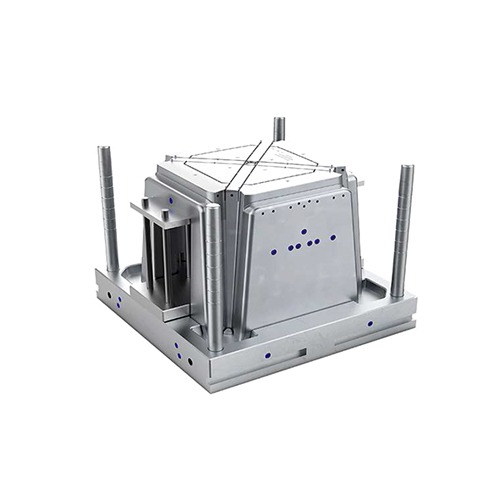
Global demand for plastic furniture moulds is rising in step with the plastic furniture market and continued growth in injection-moulded consumer goods. Growth is strongest in Asia–Pacific (led by India and China), supported by inexpensive manufacturing, rapid urbanization, and rising demand for low-cost, weather-resistant indoor/outdoor furniture. Sustainability (use of recycled plastics) and design-driven product differentiation are shaping tooling requirements (multi-cavity, inserts for mixed materials, and corrosion/wear-resistant tool steels). Fortune Business Insights+1
Market size & growth (key facts)
The global plastic furniture market was reported in 2024/2025 in multiple industry reports in a range that indicates a multi-billion-USD market and steady mid single-digit CAGRs through the late 2020s — figures from industry publishers place total market values often between ~USD 13–26B (different methodologies), with projected CAGRs ~3.8–6% depending on the report and segment (outdoor, recycled, general plastic furniture). Use a specific report if you need an exact number for slide decks or contracts. Grand View Research+2Fortune Business Insights+2
The broader injection-moulding and molded-plastics sectors are also growing, supporting sustained demand for new and replacement moulds, tooling maintenance, and higher-precision moulds for premium or multi-material furniture parts. Fortune Business Insights+1
Regional demand hotspots
Asia–Pacific: Dominant region for both consumption and production of plastic furniture; large domestic markets (India, China) plus export manufacturing hubs. A disproportionate share of tooling demand (new mould builds, lower-cost high-volume tooling) originates here. Fortune Business Insights+1
Europe & North America: Demand leans toward higher-quality, design-led furniture, recycled content, and weather-resistant outdoor lines — this pushes tooling needs toward smaller volumes but higher precision, surface finish, and recyclable-material compatibility. Better Homes & Gardens
Emerging markets (Latin America, Africa): Growing urbanization and affordable furniture demand are generating incremental tooling opportunities, especially for rugged outdoor and stackable indoor items. GII Research
Demand drivers for moulds
Volume growth in plastic furniture — more parts → more moulds and spare moulds for scale-up. Fortune Business Insights
Shift to recycled/resin-blends — requires tooling that tolerates abrasive/recycled compounds and often calls for design changes (venting, gating) to handle different flow/warpage. TMR
Product differentiation & style cycles — faster design cycles and seasonal collections push demand for smaller batches of specialized moulds and shorter turnaround tooling services. The Times
Automation & multi-material parts — growth in insert moulding, overmoulding, and integrated features increases complexity and value of moulds. Fortune Business Insights
Opportunities for mould manufacturers and tool shops
High-value tooling segments: precision moulds for premium indoor/outdoor furniture, multi-cavity systems for cost efficiency, overmoulding tools for soft-touch features.
R&D and retrofitting services: converting designs for recycled resin, adding conformal cooling, surface texturing, and coatings to increase mould life.
Aftermarket & life-cycle services: maintenance contracts, spare cavities, refurbishment and rework — recurring revenue as furniture lines persist but plastics/grades evolve.
Niche export market: supplying regional OEMs in Africa/Latin America from low-cost Asia bases, with tailored logistics and modular mould designs.
Challenges & risks
Raw material price volatility (polymers) and supply chain disruptions affect furniture makers and can reduce short-term tooling orders. Grand View Research
Regulatory and sustainability pressures: stricter environmental rules or bans on single-use plastics lead buyers toward recycled content or alternate materials, forcing rapid tooling adaptation. TMR
Competition & price pressure: many regions have low-cost tool makers; differentiation through quality, lead time, aftercare and IP protection is critical.
Data/report variability: market totals vary by publisher and definition (e.g., “plastic furniture” vs. “outdoor recycled furniture”), so choose a consistent market source when making investment decisions. IMARC Group+1
Short recommendations (for a mould-maker planning market entry or expansion)
Focus on Asia–Pacific for high volume and cost-competitive builds, and develop service hubs for after-sales. Fortune Business Insights
Invest in tooling that handles recycled/filled resins (harder abrasives, alternative venting, wear-resistant coatings) — this will be a growth niche as recycled content demand rises. TMR
Offer modular, upgradeable mould designs that let customers adapt parts for new resins or finishes without full tooling replacement.
Build quick-turn and small-batch capabilities (CNC, additive tooling inserts) to capture design-led, seasonal furniture runs.
Partner with designers/OEMs to co-develop proprietary tooling for premium product lines — IP-protected tooling yields higher margins.